Blog

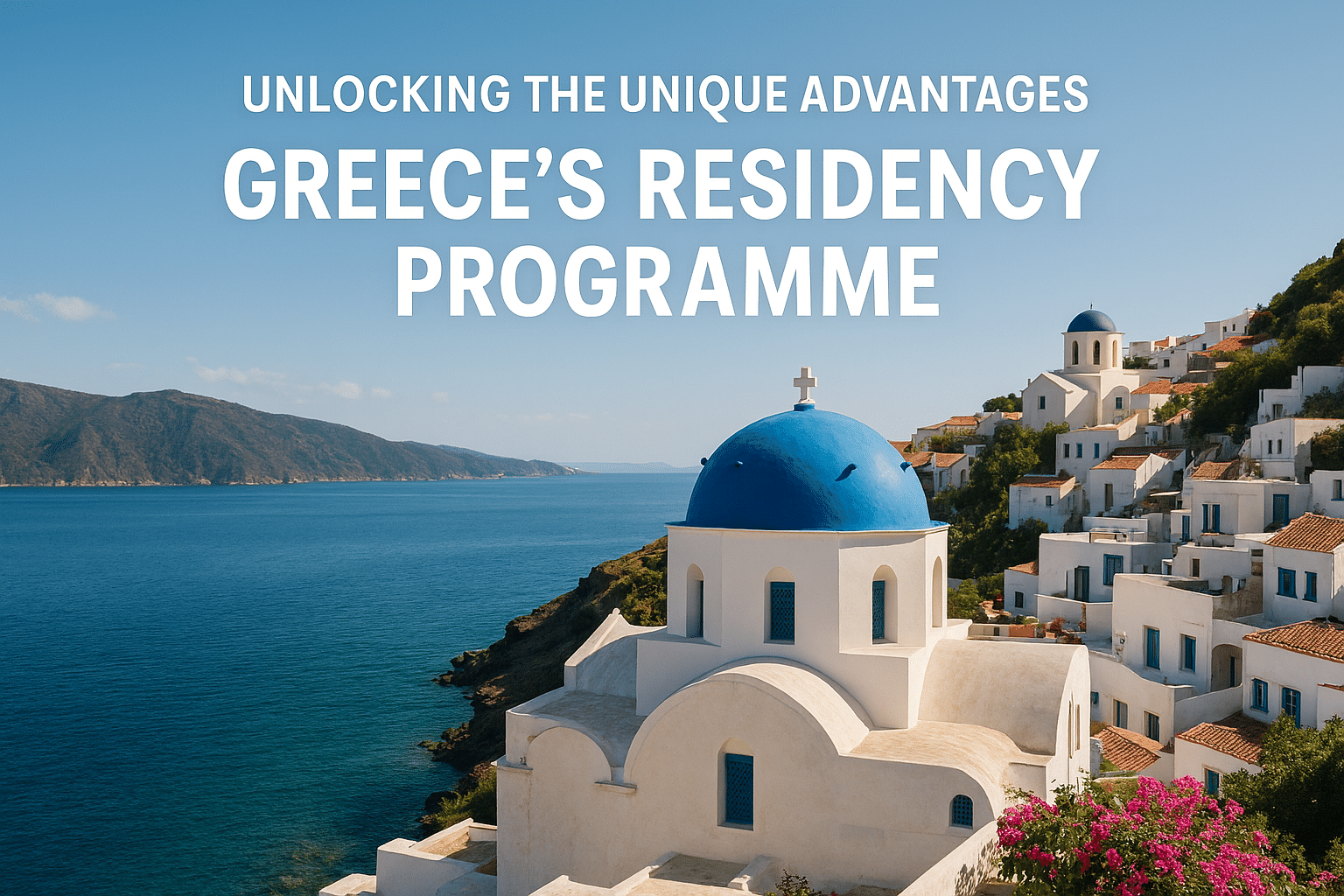
  • Unlocking the Unique Advantages of Greece’s Residency Programme

    Unlocking the Unique Advantages of Greece’s Residency Programme

    An article written by Elena Shiapani, CEO of MIBS Group for the IM Yearbook 2025.

    Known as one of the more accessible and advantageous residency-by investment programmes in Europe, Greek’s Golden Visa offers a gateway not only to living in one of the most beautiful countries in the world but also to enjoying a wide array of economic, social, and strategic benefits.

    Over recent years, Greece has emerged as one of Europe’s most promising investment destinations, drawing the attention of global investors with its growing economy, strategic location, the appeal of a Mediterranean lifestyle and numerous opportunities across sectors. From infrastructure to tourism, real estate to technology, Greece offers a wealth of advantages, backed by a supportive regulatory environment and government initiatives aimed at fostering foreign investment and key reforms aimed at fostering innovation and entrepreneurship, digitising public services, and advancing renewable energy initiatives.

    The programme is highly attractive due to the visa-free access it grants to the Schengen Zone and its lack of residency requirements. Effective 1 September 2024, the minimum investment threshold for real estate in Greece has been raised to S800,000 in high-demand areas, including Athens, Thessaloniki, and islands with a population of over 3,100 inhabitants.

    This investment must be allocated to a single property with a minimum surface area of 120 square metres. However, in areas outside these prime locations, the threshold is at €400,000 under similar conditions regarding property size.

    Additionally, certain criteria allow for an investment minimum of S250,000, making Greece one of the most flexible and affordable options. A minimum investment requirement of €250,000 is available, irrespective of the property’s location or size, under certain conditions. Applicants may qualify for the Greek Golden Visa with a minimum threshold of €250,000 by investing in a commercial or industrial property undergoing conversion to residential use, provided this investment is made in a single property.

    The minimum threshold of S250,000 also applies for investments in listed buildings that are to be restored or reconstructed, provided the investment through real estate acquisition is directed towards a single property. Restoration or reconstruction work must be completed before applying for the Golden Visa, and the property cannot be sold until the work is finished. New regulations also restrict Golden Visa-acquired properties from being leased on short- term rental platforms like Airbnb.

    The Golden Visa landscape in Europe is evolving. As changes unfold, prospective investors should stay informed about regulatory updates, monitor local market trends and thoughtfully consider all options to ensure the best possible decision for their investment journey.

    Location of the property remains a critical factor in maximising return on investment, making it essential to select properties with strong potential for value appreciation. Partnering with a trusted developer with extensive experience and a solid understanding of the Golden Visa programme ensures seamless navigation of every step, from property selection to legal procedures.

    Greece’s dynamic blend of strategic advantages, government support, and economic diversity makes it an increasingly attractive investment destination. As the country continues to embrace growth across key sectors like real estate, tourism, renewable energy, and technology, the opportunities for investors to thrive are significant.


  • The Dolce Vita of Tourism and Real Estate

    The Dolce Vita of Tourism and Real Estate

    An article written by Christopher Downing, Advisor at Invest in Italy for the IM Yearbook 2025.

    Italy is the third-largest economy in the eurozone and a member of G10. It is not just a country; it is a world-famous brand, synonymous for design and quality, with their consumer items such as clothes, furniture, and cars. However, Italy’s most famous export is the memories of tourists that contribute to Italian invisible exports through its tourist industry.

    In 2023, the Italian tourist industry contributed over $240 billion (United States Dollars) into Italy’s Gross Domestic Product, representing over 10 percent to Italy’s total economic output. Italy is the fourth most popular tourist destination in the world, welcoming over 50 million tourists a year, ahead of the United Kingdom, Turkey, Greece and Portugal including in 2023 over one million visitors from China.

    Since the Covid-19 pandamic, the Average Daily Rate (ADR) in Italy has grown by 46%, whilst the Revenue Per Available Room (RevPAR) is up by +45%. Moreover, the Italian tourist industry is now forecast to grow at an impressive compounded 6.5% annual growth rate (CAGR) over the next decade.

    The World Travel and Tourism Council has estimated that tourism will contribute over $300 billion per annum into the Italian economy, employing one in every seven workers by 2034. Dolce Visa SICAF is an Italian domiciled closed-end Alternative Investment Fund established under Government regulations and managed by Gamma Capital, a regulated Fund Management Company authorised by the Bank of Italy, strategically designed to capitalise on the continuing growth of Italy’s hospitality sector.

    The business case for DV SICAF is both simple and compelling; it is an investment fund that provides stable returns to investors through strategic investments into high-potential income-producing real estate assets, namely hotels. Investment into DV SICAF also provides the ability to receive a residence permit for Italy, plus visa-free travel to mainland Europe and, for those who may require it, a hedge against instability, with immediate access to a safe haven and an introduction to a high quality of life.

    Currently, DV SICAF has a share capital of € 3 million and a further invested net capital of € 10.5 million and has acquired its first asset and has achieved a plurality of investment. It is focused on acquiring and asset managing a diversified portfolio of real estate income-producing assets that are strategically identified to capitalise on the continued growth of Italy’s hospitality sector.

    DV SICAF is also investor eligible and pre-approved for Italian Investor Visa Initiative applications. This is subject to only applicant probity and correct documentation on the application.

    Investors can collect a visa within 30 to 40 days after submitting the initial online application, and they can collect the residence permit within three to four months of the initial application. This unique offering provides an institutional investment option for the direct ownership of a diverse portfolio of Italian hotel assets through an Investment Fund while obtaining the right and permission to receive an Italian Residence Permit.

    This is done by investing the equivalent of €500,000 into a preapproved, regulated, and managed Fund that is focused on providing attractive financial returns for its investors. From inception, the principal driver for DV SICAF was the creation of a fund that had at its core demonstrable investment merits, with the right to obtain a residence permit almost becoming a by-product of what is a compelling investment case.

    Its experienced supervisory board directly manages DV SICAF, plus it has a team of legal and financial advisers, all located and domiciled in Italy. The DV SICAF is structured as it is as an Investment Fund and is subject to further oversight and compliance to ensure true value and a sustained income stream for acquired assets.

    For example, the hotels will be independently valued by Colliers, providing peace of mind and a transparent investment framework for investment. The Fund has been created both income and fiscal growth, with a projected 15% IRR and a 3.5 return on initial invested funds ascribed to the Fund over the next 10 years Applications to receive a Residence Permit under the Italian Investor Visa Initiative are also risk-free, for unlike other schemes where the absolute purchase of a property or the making of an actual investment into a fund or company starts the journey, for Italy, this is not the case.

    It is unique in simply that the process for the Residence Permit does not require any prior investment into the country or the purchase of any property prior to the application process. The final investment can be made into DV SICAF after the granting of the Residence Permit. Also, the scheme is open to the investor, their spouse, and dependent family, without additional investment. Its highlights include a total circa 120-day turnaround time, the issuance of the first visa fast-tracked and given within 30-40 days, and the unique risk-free advantage that the investment can be made up to 90 days after the applicant’s first visit to Italy, which is effectively 60 days after the Residence Permit is granted.

    The Residence Permit is granted for an initial two years as a probation period and is automatically renewable for a further rolled over three-year period, and this rollover period is granted in perpetuity, provided that the original investment is made and then maintained in DV SICAF. Permanent Residence is also possible, this after five years of issuance of the Investor Visa Residence Permit, providing the investor and dependent family with an option to fully relocate to Italy.

    One can apply for full citizenship after 10 years, which entails full residence and a language test, whilst flat tax options are also available.

    The requirements to obtain the Residence Permit are simple: applicants must simply choose to invest in DV SICAF as the qualifying investment, confirm no criminal record and that the investment is not the proceeds of crime, terrorism or money laundering and that all passports should have an unexpired period of at least two years and three months.

    “Applications to receive a Residence Permit under the Italian Investor Visa Initiative are also risk free, for, unlike other schemes where the absolute purchase of a property or the making of an actual investment into a fund or company starts the journey, for Italy, this is not the case.”

  • The Bulgaria Golden Visa Programme: A Transparent and Efficient Investment Migration Opportunity

    The Bulgaria Golden Visa Programme: A Transparent and Efficient Investment Migration Opportunity

    An article written by Vasil Markov, Founder at Advocate Markov for the IM Yearbook 2025.

    Following the cancellation of the Bulgarian Citizenship by Investment programme in 2021, the Bulgarian government launched the Bulgaria Golden Visa programme after three years of careful development.

    This newly revamped initiative offers a transparent, competitive, and straightforward pathway to permanent residency and potential citizenship in Europe.

    Advocate Markov: Driving Global Awareness

    Advocate Markov and his team recently presented the Bulgarian Golden Visa program at a series of prestigious seminars in mainland China. These events showcased the program’s distinct advantages
    compared to other popular options. Below are the key benefits highlighted:

    • Immediate Permanent Residency: Investors receive permanent residency right from the start, avoiding temporary residency stages common in other programs.
    • Pre-Assessment Process: Eligibility is confirmed through a pre-assessment, reducing risks before any financial commitment.
    • Fast Processing Time: Permanent residency cards are issued within weeks of biometrics submission, ensuring minimal delays.
    • No Residency Requirement: Investors can retain permanent residency without residing in Bulgaria, offering unmatched flexibility.
    • Convenient Renewal: Residency cards need to be renewed only every five years.
    • Family Inclusion: Immediate family members, including your spouse and children, will receive permanent residency, while your parents will be granted temporary residency.
    • Language Exam Exemption for Citizenship: Holding Permanent residency for five full years you can apply for Bulgarian citizenship after demonstrating basic A1/A2 language proficiency or obtaining an exemption. Advocate Markov’s team provides support with the exemption route.
    • Citizenship for Children: Children of investors can apply for Bulgarian citizenship without language requirements or the need to renounce their current nationality.

    Investment Options in the Bulgaria Golden Visa Program

    The program requires an investment of €512,000 into a government-regulated fund, managed by a Bulgarian Fund Management Company. These funds are exclusively allocated to Bulgarian assets, adhering to the Bulgarian Citizenship Act. Currently, only two funds meet the program’s stringent criteria, and one is the Fund setup by Advocate Markov – Bulgaria AIF – Fund AD.

    • Funds can invest in Real Estate: Unlike Portugal, the Bulgaria Golden Visa allows Funds to invest in real estate, offering greater flexibility and transparency.
    • Reliable Framework: Bulgarian real estate is highly competitive and regulated, avoiding issues like inflated prices often encountered in other programs.

    Bulgaria Golden Visa Investment Process

    Investors can directly subscribe to Bulgaria Golden Visa funds, removing the need for intermediaries and streamlining the process. Opening a Bulgarian bank account is not required, as funds can be transferred directly from the investor’s home country, provided it complies with FATF regulations.

    Additionally, investment certificates are issued upon receipt of funds, ensuring a swift and seamless start to the Golden Visa application process.

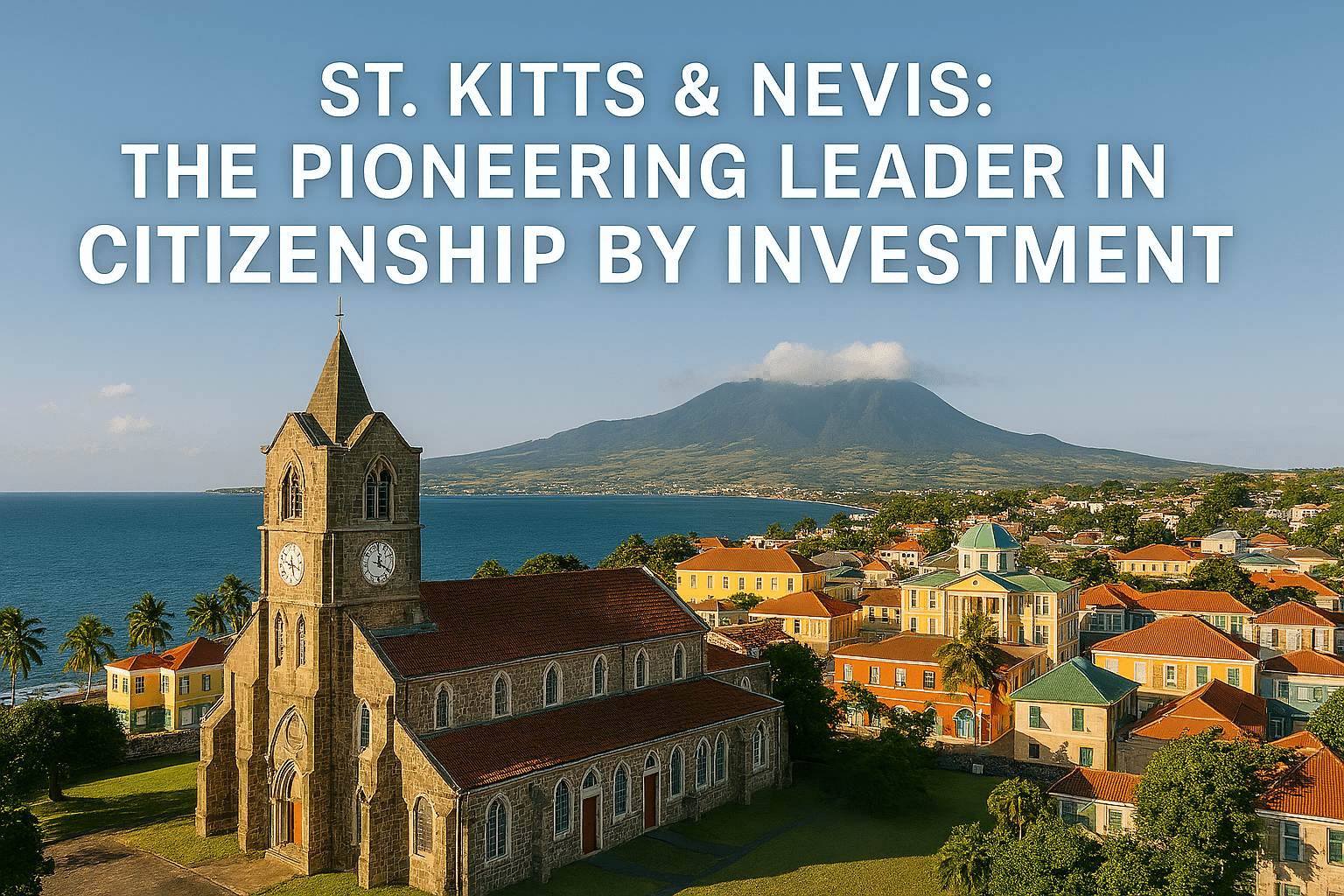
  • St. Kitts & Nevis: The pioneering leader in Citizenship by Investment

    St. Kitts & Nevis: The pioneering leader in Citizenship by Investment

    An article written by H.E. Calvin St. Juste, Chairman of the Board of the St. Kitts & Nevis Citizenship by Investment Unit.

    This year, the St. Kitts and Nevis Citizenship by Investment Unit (CIU) introduced key enhancements based on six core principles: transparency, communication, good governance, transformation, global leadership, and sustainability.

    Under the leadership of His Excellency Calvin St. Juste, these principles ensure that St. Kitts and Nevis remains the best choice for discerning global citizens.

    The CIU has strengthened its already rigorous due diligence process, ensuring that only reputable applicants are granted citizenship.

    As Chairman St. Juste explains, “Our dedication to transparency is about building trust. Investors deserve to know that their investment is secure and contributes positively to both their future and our nation.” Under its new statutory structure, the CIU has prioritised clear and proactive communication with investors and partners. Chairman St. Juste and his team have implemented a communication strategy that keeps investors informed of programme developments.

    Good governance is a defining feature of the St. Kitts and Nevis CBI Programme. The CIU’s policies uphold integrity and accountability, ensuring that the programme meets the highest ethical standards. New requirements, such as mandatory interviews for applicants, demonstrate the CIU’s commitment to careful applicant vetting.

    By directing CBI funds to essential social and economic initiatives, the CIU ensures they contribute directly to the country’s infrastructure, education, and healthcare.

    St. Kitts and Nevis continues to lead through transformation, with the CIU introducing the Sustainable Island State Contribution (SISC) in The SISC supports the nation’s Sustainable Island State vision, aiming to create a resilient economy by 2040.

    The CIU has also modernised its application infrastructure with a streamlined digital platform. St. Kitts and Nevis aligns its investment migration policies with sustainable development goals. This focus on sustainability is evident through initiatives like the SISC. The programme’s impact extends to key areas such as healthcare, education, and cultural preservation.

    St. Kitts and Nevis remains the gold standard for CBI programmes worldwide. With nearly four decades of experience, the CIU has crafted a programme that prioritises transparency, rigorous standards, and sustainable development. Each of the CIU’s six guiding principles – transparency, communication, good governance transformation, global leadership, and sustainability—continues to strengthen the programme’s reputation as a secure, impactful investment option.

    As Chairman St. Juste puts it, “St. Kitts and Nevis has always been a pioneer in the investment migration sector, offering global citizens not only a trusted pathway to citizenship but also an opportunity to contribute to a sustainable future.”

    “With nearly four decades of leadership, St. Kitts and Nevis remains the gold standard in citizenship by investment, offering global citizens a secure and meaningful pathway to a sustainable future.”

    As the global leader in CBI, St. Kitts and Nevis is the premier choice for investors looking for a secure, impactful, and future focused pathway to citizenship.

  • Shaping Tomorrow’s Property Market in Greece

    Shaping Tomorrow’s Property Market in Greece

    An article written by Konstantina Dotsikas (COO, Director), co-founder of Kentriki– Savills Greece for the IM Yearbook 2025.

    Kentriki-Savills Greece, an International Associate of Savills, is a market-leading real estate services provider, offering a broad range of specialist advisory, management and transactional services to clients in Greece, and the neighbouring countries (Cyprus, Bulgaria, Romania, and so on).

    Since its establishment in 1997, the company has undergone dynamic growth, establishing itself as a powerful player on the local property scene.

    Our purpose is to provide best-in-class insights and advice to help individuals, businesses and investors make better property decisions. Our services are focused on valuation of all types of properties, development appraisals, due diligence, market feasibility studies, development proposals, residential and commercial agency, property marketing, property management, and project management.

    With a presence in Athens, Thessaloniki, Corfu and Crete and an expert team of 40 associates, we ensure personalised solutions that satisfy clients’ needs. Employing a tailored approach for every real estate need, while forming a dynamic strategy and utilising all the innovative technological systems, processes and tools at our disposal, our company guarantees each project’s success.

    Our consultants, combining 30 years of experience and local expertise with the wide network of Savills spreading all over the globe, provide hospitality, commercial and residential property services, driving innovation in local and international property.

    With awards and acknowledgements from recognised international organisations and multiple success stories, our company has achieved to undertake and manage some of the biggest projects in Greece.

    Our dedicated team consists of people with extensive knowledge and deep understanding of the Greek and Balkan markets, accredited through the Royal Institution of Chartered Surveyors (RICS), the Technical Chamber of Greece and the Greek Ministry of Finance that faithfully follow the company’s core principles – professionalism, reliability and corporate responsibility in order to offer the highest value. Kentriki-Savills Greece is a registered RICS company.

    Kentriki-Savills Greece is renowned for representing some of the most desirable assets in the market. Visitors to our website can explore a curated selection of genuinely unique properties, showcasing the best in Greek real estate.

    “Our consultants, combining 30 years of experience and local expertise with the wide network of Savills spreading all over the globe, provide hospitality, commercial and residential property services, driving innovation in local and international property.”

  • Pioneering Immigration Solutions

    Pioneering Immigration Solutions

    An article written by Rui Passos, Immigration Lawyer and Managing Partner at ERG Legal for the IM Yearbook 2025.

    2023 was a transformative year for ERG Legal. Under the leadership of Rui Passos, the team contributed significantly to shaping Portugal’s immigration landscape.

    ERG Legal has been recognised as a reliable force in the immigration sector. What were some of your key contributions in 2023?

    A major highlight was our involvement in the legislative reforms for the Portuguese Golden Visa programme. We provided key insights during the drafting process, ensuring the new regulations promoted sustainable investment while maintaining Portugal’s appeal to international investors.

    Additionally, we expanded our services to address emerging challenges in family regroupment, company incorporation, and alternative visa pathways, ensuring our clients received tailored solutions in a rapidly changing environment. Our work was not just about compliance but also about creating pathways that aligned with clients’ aspirations while contributing to Portugal’s economic and social goals.

    Immigration is a complex issue globally. What do you see as the most pressing challenges, and how is ERG Legal addressing them?

    Immigration today is shaped by economic uncertainty, geopolitical tensions, and climate-related displacement. One of the biggest challenges is creating policies that balance national interests with the rights and needs of immigrants. Portugal has made strides in this regard, but there is room for improvement, especially in integrating immigrants into local communities and addressing the barriers they face in accessing housing, healthcare, and employment.

    We focus on bridging these gaps. For example, we have introduced initiatives to help immigrants navigate daily life challenges, such as securing health insurance and understanding their rights under Portuguese law. We also advocate for policy reforms, such as streamlining visa application processes and enhancing support systems for immigrants.

    What does the future hold for ERG Legal and Portugal’s immigration sector?

    For ERG Legal, the future is about growth and continued excellence. We aim to solidify our position as a national leader in immigration law while expanding our reach internationally. This includes enhancing our digital services to make the immigration process more accessible and efficient for clients worldwide.

    For Portugal, immigration will remain a key driver of economic and social development. However, it will require bold policy initiatives and a collaborative approach involving the government, private sector, and civil society. ERG Legal is committed to being an active participant in this dialogue, ensuring that Portugal remains a destination of choice for those seeking a new beginning.

    Any final thoughts on the role of immigration in today’s world?

    At ERG Legal, we see every case as a chance to make a positive impact not just for our clients but also for Portugal as a whole. As we look ahead to 2025 and beyond, we are excited to continue shaping the future of immigration with innovative solutions and unwavering dedication.

  • Onboarding Prospective Applicants: Raising the Bar with Enhanced KYC

    Onboarding Prospective Applicants: Raising the Bar with Enhanced KYC

    An article written by Karen Kelly, Vice President and Global Head of Investment Migration at Exiger for the IM Yearbook 2025.

    The investment migration industry is undergoing a transformation as calls for more robust Know Your Customer (KYC) standards grow louder, and internal stakeholders look to take a proactive approach.

    Increased scrutiny from the European Union (EU), the United Kingdom, and the United States, alongside new regulations, is compelling agents to adopt more stringent client onboarding practices.

    One of the key drivers of this shift is the EU’s Sixth Anti-Money Laundering Directive (AMLD6), which now designates service providers assisting individuals with residency applications as ‘obliged entities.’

    This classification subjects these entities to anti-money laundering (AML) and counter-terrorist financing (CFT) requirements, including comprehensive customer due diligence (CDD). While these changes directly target residency applications in the EU, the ripple effects will extend globally, affecting applicants and agents to both residency and citizenship by investment programmes.

    Across the wider industry, there is growing momentum to implement enhanced customer onboarding standards before applications are submitted for consideration to a programme.

    The five Caribbean nations offering citizenship-by-investment (CBI) programmes are moving toward a unified regulatory framework. This includes greater information sharing and will likely also target KYC requirements, ensuring consistency and raising the standard among agents in the region.

    Stronger KYC measures not only mitigate risks but also improve efficiency in the processing of applications. Pre-screening applicants to meet quality benchmarks and proactively identify risks and red flags reduces the likelihood of rejections and minimizes delays caused by follow-up inquiries. Moreover, adopting these practices signals a commitment to maintaining high standards, reinforcing trust with international partners and regulators.

    To prepare for these evolving requirements, investment migration agents must establish comprehensive policies and procedures that include: Verifying customer and beneficial owner identities Screening clients against global watchlists and sanctions databases Monitoring for red flags in real-time through web and media sources The Investment Migration Council (IMC) is at the forefront of supporting agents through this transition. Its landmark report, Due Diligence in Investment Migration: Best Approach and Minimum Standard Recommendations, offers valuable insights into industry best practices.

    Developed with input from subject matter experts, including from Exiger, the report serves as a critical resource for refining due diligence protocols. Further reinforcing its commitment to the industry, the IMC has introduced Enhanced Automated Due Diligence Services, empowering agents to strengthen their client onboarding processes, and ensuring alignment with emerging global standards.

    In today’s regulatory climate, proactive compliance is no longer optional—it is essential. By adopting rigorous KYC frameworks, investment migration agents can safeguard their operations, streamline application processes, and uphold the integrity of the industry.

  • Meeting the Needs of the Modern HNWI

    Meeting the Needs of the Modern HNWI

    An article written by Christos Vardikos, Attorney at Vardikos & Vardikos and the Consul a.h. for the Commonwealth of Dominica and President of the Consular Corps in Greece for the IM Yearbook 2025

    Christos Vardikos, who manages the boutique law firm Vardikos & Vardikos, shares insights into the trends shaping client preferences, the unique advantages of combining programmes, and the future of investment migration in a volatile global landscape.

    How do you view the Commonwealth of Dominica’s Citizenship by Investment (CBI) Programme as maintaining its competitive edge, particularly against European programmes such as Greece’s Golden Visa?

    The programme of the Commonwealth of Dominica is one of the two oldest programme in existence. The programme has evolved over the years, adapting to all the new circumstances.

    Irrespectively of the current price increase, with which all the islands have aligned, the programme of Dominica is still very competitive and the application pace has not slowed down.

    The Dominica CBI is a mature programme. Applicants know that their file is going to be dealt in a swift manner and the outcome positive or not, will be available within a four-month period. The due diligence procedure has always been robust and is now complemented by the mandatory interview.

    The entry level – $200.000 for a single applicant and then $250.000 for an application of four – is not an excessive amount for a family that seeks new horizons and new available options.

    At Vardikos & Vardikos we focus on the Dominica CBI (as Authorised Agents/ Service Providers) and the Greek lawyers for Greek Residency Programmes. We do not consider both programme/jurisdictions as competitive between them.

    The Greek Golden Visa programme can complement the Dominica passport holder, in the sense that a European residency gives real power to the Dominica passport and can be a pivot for better international mobility (i.e). getting long term visas for USA and Canada.

    Greece has long been a safe harbour for many nationalities across the Mediterranean, so it comes as no surprise that there is significant demand for the Dominica CBI programme from these groups.

    Last but not least we should mention the Greek Non Dom Programme that is the most cost effective in Europe.

    What trends do you see shaping the preferences of high-net worth individuals when choosing between residency-focused versus citizenship-focused programmes?

    HNWI are usually sophisticated and they prefer to combine programmes so that they can get the best out of each one. The issue is with the non sophisticated or the not well informed/ advised HNWI, who seek only the so-called international mobility. This category can be a great risk for the citizenship/residency programmes, as apart from their economic affluence, these individuals may regarded as an immigration risk.

    “HNWI are usually sophisticated and they prefer to combine programmes so that they can get the best out of each one. The issue is with the non-sophisticated or the not well informed/ advised HNWI, who seek only the so-called international mobility.”

    What role do you believe specialised legal advisory services play in navigating the complexities of these programmes, particularly for clients seeking long-term security and global mobility?

    We believe that the first step is to understand the client and his real needs – not only what the client has in his mind, but also the real family needs at the moment of the consultation/application and in the future. Correct and impartial advice is paramount for a successful planning.

    We strongly believe and recommend to our subagents to divert the applicants to the correct and appropriate for them, programme, irrespective of the monetary interests a subagent might have.

    The best example for this is the Greek Golden Visa via a fixed term deposit of €500.000. Most agents around the world, do not explain or present this option to their clients as Greek banks pay no commission and an agent can earn only a service fee.

    This option might suit to more applicants as they have a capital guarantee, an interest earning account, no complications/burdens, that come with owning a property and an easy way out when ever they want.

    am confident that if a Golden Visa applicant knows the above, he might not end up in buying a property. I hope that this will not happen with the new Golden Visa – the Start up Visa at €250,000. This was just voted by the Parliament.
    The proposed startup investment option includes:

    • A minimum investment of €250,000 in startups listed on the National Register of Startups (Elevate Greece)
    • Maximum equity participation of 33% in the company capital or voting rights
    • Creation of at least two jobs within the first year of investment
    • Workforce maintenance for at least five years

    How have shifting global regulations and economic conditions influenced the demand for citizenship and residency by investment programmes?

    Citizenship and residency programmes are going to always be in demand and any local crises are always going to boost the said demand. Sophisticated clients seek not only the Plan B but the Plan C, and sometimes irrespectively of the cost.

    “We believe that the first step is to understand the client and his real needs – not only what the client has in his mind, but also the real family needs at the moment of the consultation/ application and in the future.”

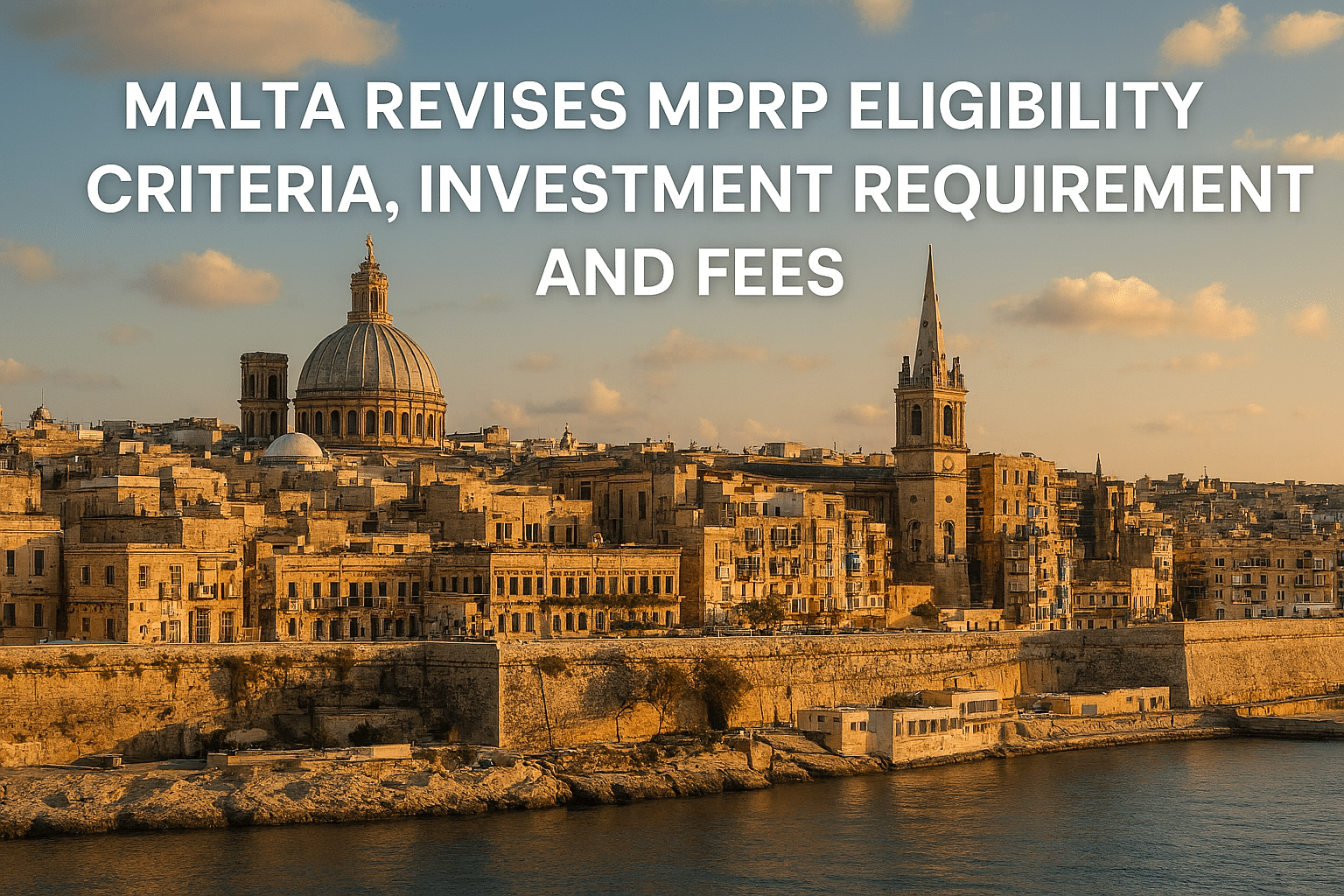
  • Malta revises MPRP eligibility criteria, investment requirements and fees

    Malta revises MPRP eligibility criteria, investment requirements and fees

    An article written by Jonathan Cardona, CEO of Residency Malta Agency for the IM Yearbook 2025.

    Malta has revised the eligibility criteria, investment requirements and fees for the Malta Permanent Residence Programme (MPRP), effective January 1, 2025.

    “The MPRP, as was its predecessor the MRVP (Malta Residence and Visa Programme), was ideated to offer value solutions to fit-and-proper individuals and families wishing to relocate to Malta or to hold a second residency for when they would need international mobility and movement, in return for a suitable investment in Malta,” said Jonathan Cardona, Chief Executive Officer of Residency Malta Agency. “In order to continue giving this value and maintaining the MPRP’s unique position in the residency by- investment landscape as a robust and reputable programme, the Programme’s eligibility criteria and investment requirements are being revised to reflect current economic and market trends.

    In addition to this, the Agency has also been working on improving internal processes to reduce the processing timelines significantly and make it more attractive to prospective applicants, without compromising on our robust due diligence checks,” he continued.

    Revised financial criteria

    Applicants now have two financial pathways: demonstrate total assets of €500,000, including €150,000 in liquid financial assets or show €650,000 in total assets, with €75,000 in liquid financial assets.

    Property requirements

    Property thresholds have been standardised across Malta and Gozo, removing previous regional price differences. The minimum property purchase value is now €375,000 nationwide, while annual rental costs are now €14,000 across the country.

    Fee adjustments

    Fees for main applicants are now €50,000, of which €15,000 is payable within one month of application submission, and €35,000 within two months of receiving approval in principle. A €10,000 fee now applies to each dependant, including spouses, children, parents, and grandparents, at any point of the application.

    “Residency Malta remains committed to offering the best value propositions, maintaining rigorous due diligence standards and leading by example in this area, while striving for service excellence.”

    Government contributions

    For property buyers, a government contribution of €30,000 applies, payable within eight months of receiving approval. For those opting to lease property, a €60,000 contribution applies, also due within the same timeframe.

    Operational enhancements

    Applicants who applied prior to the coming into force of these regulations shall remain subject to, and governed by, the principal regulations in force at the time of application submission.

    “In the meantime, Residency Malta remains committed to offering the best value propositions, maintaining rigorous due diligence standards and leading by example in this area, while striving for service excellence,” continued Jonathan Cardona. “Our aim is to remain the foremost Agency in the industry, enjoying our current unique position and stellar reputation.”

    “In order to continue giving this value and maintaining the MPRP’s unique position in the residency-by-investment landscape as a robust and reputable programme, the Programme’s eligibility criteria and investment requirements are being revised to reflect current economic and market trends.”

  • Leading sustainable development through Citizenship by Investment

    Leading sustainable development through Citizenship by Investment

    An article written by Marie-Therese Johnson is the head of Dominica’s Citizenship by Investment Unit (CBIU) for the IM Yearbook 2025.

    Established in 1993, Dominica’s Citizenship by Investment (CBI) Programme has evolved into a vital funding source for projects that enhance social welfare, build resilient infrastructure, and support environmental sustainability.

    Dominica’s CBI Programme channels funds directly into climate-adaptive infrastructure, reinforcing the island’s resilience against future disasters.

    “The world cannot talk about resilience unless they talk about Dominica,” said Prime Minister Roosevelt Skerrit.

    His administration has spearheaded numerous projects funded by CBI, from sustainable housing to renewable energy and transportation infrastructure. As Skerrit recently emphasised, “We’re not just building back; we’re building back better – creating a Dominica that is stronger, safer, and more prepared for future generations.”

    Dominica’s CBI funds have transformed the island, benefiting various aspects of citizens’ lives. Thousands of Dominicans now live in climate-resilient homes designed to withstand hurricanes. Healthcare infrastructure has also improved, with CBI funding modern health centres and hospitals, ensuring high-quality healthcare access. Education initiatives funded through CBI have provided young Dominicans with state-of-the-art schools and training centres.

    Among Dominica’s most ambitious CBI-funded initiatives is the construction of its first international airport, now underway.

    Dominica is also setting new standards in renewable energy with a geothermal plant that harnesses natural heat to power the island and potentially its neighbours.

    The CBI Programme has facilitated impressive eco-friendly resorts and residences, strategically developed to harmonise with the natural environment and boost the local economy.

    One notable project is the Dominica Cable Car, set to be the world’s longest detachable system.

    Dominica’s CBI Programme has supported local employment and skills development through initiatives like the National Employment Programme, which provides training for careers in ecotourism, renewable energy, and digital services. The Dominica Youth Business Trust fosters entrepreneurship by offering funding and mentorship to young Dominicans.

    CBI funds have also played a crucial role in enhancing Dominica’s tourism sector. Investments in ecohotels, protected national parks, and marine reserves make Dominica a premier destination for nature lovers and adventure seekers. In 2024, Dominica’s CBI Programme further enhanced its process by introducing a dedicated due diligence unit under the Financial Intelligence Unit (FIU) to review applications and provide recommendations, ensuring only credible investors are accepted.

    CBI funds contribute to Dominica’s ecotourism industry, national parks, and protected marine reserves, all part of the island’s green economy.

    Investors in Dominica’s CBI Programme are not only securing a second citizenship but are contributing
    to a nation dedicated to sustainability and community welfare.

    For those seeking an investment that aligns with both financial goals and ethical commitments, Dominica’s CBI Programme presents a unique opportunity.

    “The world cannot talk about resilience unless they talk about Dominica.”

Pin It on Pinterest

Skip to content