Blog

  • Six Thoughts on Investment Migration in a Changing Landscape

    Six Thoughts on Investment Migration in a Changing Landscape

    An article written by the Investment Migration Council Editorial Team for the IM Yearbook 2023

    While it is impossible to predict the future, it is possible to consider how current megatrends and potential future disruptions might affect investment migration in the years to come. We look at the global shifts reshaping the world and ask what are the implications for investment migration?

    1. Welcome to the metaverse

    The idea of virtual citizenship isn’t new. In fact, it has been debated ever since Linden Lab launched its online platform Second Life in 2003. At its peak, Second Life reported millions of active users in self-made virtual worlds complete with property sales, a market of virtual goods, and a functioning economy that was worth around US$500 million in GDP around 2007, according to Time magazine.

    While Second Life might not represent the broader vision of the modern metaverse, it can certainly be called a metaverse pioneer. Interest in the metaverse spiked in recent months amid a rise in sales of non-fungible tokens (NFTs) as well as investment from big tech companies in the space. In fact, the metaverse has become a mainstream topic since the day Facebook changed its name to Meta in October 2021.

    But what exactly is the metaverse? The word itself means “beyond the universe”. One way to describe it is the convergence of digital and physical lives, making the metaverse a space where you can interact with virtual objects in real life and with real-time information. Philip Rosedale, Founder of Second Life, told the World Economic Forum in 2022: “The most important meaning of ‘metaverse’ is the mission to make the internet a live experience with other people always there, as opposed to the largely individual experience it is today.”

    Bloomberg Intelligence expects the market opportunity for the metaverse to reach US$800 billion by 2024. According to a report published by Citi Research, the metaverse represents a potential trillion to US$13 trillion opportunity by 2030, that could boast as many as five billion users. Likewise, Goldman Sachs arrived at a US$12.5 trillion opportunity if one-third of the digital economy shifts into virtual worlds and then expands by 25%. “We believe the metaverse is the next generation of the internet — combining the physical and digital world in a persistent and immersive manner — and not purely a virtual reality world,” their report reads.

    More importantly in an investment migration context, KPMG predicts that by 2040 the concept of digital citizenship is thriving, and many people have done away with their passports and residency cards for the physical world. The consulting firm further forecasts: “There are at least 11 virtual nations now with a combined population of 200 million ‘citizens’ and a GDP above US$100 billion each. Their citizens enjoy higher incomes and live in ‘gated communities’ that have their own security. Benefits like virtual welfare, employment, and other amenities are vastly superior to those provided by physical nations, creating a substantial lifestyle gap between citizens of physical nations and those in virtual nations, who are dual citizens of the physical country they reside in.”

    The future of the metaverse is far from certain, and many say the metaverse is still several years away. However, a likely scenario is that individuals are physical residents of one country but meta citizens of another because they connect with the values, ideologies, and laws of the meta state more than with those of their base in the real world. Moreover, they conduct business with like-minded forward-thinkers in the metaverse, attend the best universities online, and invest in digital real estate using crypto.

    It’s time to start thinking about the metaverse because some of investment migration’s selling points and experiences are fast becoming metaverse elements. Much like the entertainment industry must decide if it is sticking to a shrinking market for traditional forms of amusement, or start bringing their characters and brands into metaverse platforms, the big question for investment migration is: how can it capitalise on the metaverse? Now is the time to experiment and invest and innovate in metaverse-based use cases.

    2. Cryptocurrencies and investment migration – a match made in heaven?

    Cryptocurrencies hit a rough patch in 2022. Since November 2021, the crypto market has dropped 60% – drastically falling from a market cap of $3 trillion to less than $1 trillion in October 2022. The collapse of Sam Bankman-Fried’s FTX exchange in November 2022 served as just another example of the unpredictable nature of the industry. However, the onset of the so-called crypto winter as this period of market cooling has become known is one reason why cryptos are playing an increasingly important role in investment migration.

    Given the volatility of the market, many crypto millionaires are diversifying part of their net worth into other hard assets such as real estate. Both agents and pathways report that they have seen a surge in enquires from those who have made a fortune from cryptocurrency investments, as well as from those who want to invest in digital currencies and are looking for a crypto-friendly base.

    In the past few years crypto assets have moved from being niche products to having a more mainstream presence. In June 2021, the UK Financial Conduct Authority published its fourth consumer research publication on crypto-assets ownership, which found heightened public interest in, and media coverage of, cryptos, with 78% of adults now having heard of cryptocurrencies. Around 2.3 million now own crypto assets, up from around 1.9 million in 2020.

    In the US, Pew Research, a nonpartisan think tank in Washington, reported that 16% of survey participants indicated they had personally invested in, traded or otherwise used cryptocurrencies. Elsewhere, Newsweek Magazine cited a survey from January 2022 by crypto firm New York Digital Investment Group, estimating the total number of Americans who own cryptos at 46 million, which is about 14% of the population.

    It comes as no surprise that the investment immigration industry is gearing up to the use of cryptos. Portugal, which is generally regarded a crypto hub, and St. Kitts and Nevis, as well as Antigua and Barbuda have emerged as the leading investment migration countries with crypto-friendly policies. One key advantage of cryptocurrencies is they do not rely on intermediaries such as commercial banks and credit card companies to conduct transactions, which cuts out the inefficiencies and added costs of these intermediaries. In the Caribbean, it also addresses correspondent banking issues that have long plagued the region. Portugal is accepting bitcoin and other cryptocurrencies for real estate investment in its golden visa programme. While the country had been notable for having no crypto taxes on individuals, in October 2022 the government proposed to impose a 28% income tax on cryptocurrencies held for less than a one-year period. Meanwhile, Antigua and Barbuda, as well as St, Kitts and Nevis are members of the Eastern Caribbean Currency Union, which developed its own digital currency called DCash. While it remains to be seen if DCash will elicit the same level of enthusiasm as bitcoin and other cryptocurrencies, it is another example that shows that crypto assets as well as its associated products and services have grown rapidly in recent years and are here to stay.

    3.  Sustainability: True impact or green washing?

    The world is more than ever under pressure to channel money into curbing climate change – and yet fighting climate change seems to have slipped down on many nations’ agenda as the Ukraine war, high energy prices and geopolitical tensions took precedence in 2022.

    The hardest work is still to come. The reality is that not enough has been done in the last 12 months – some would argue we have moved backwards,” Hortense Bioy, Global Director of Sustainability Research at Morningstar, told Reuters in November 2022.

    Moreover, sustainable investing has come in for a great deal of criticism since the turn of the year with the list of companies and countries that have been accused of not being as ESG- friendly as promoted getting longer by the day. Case in point: Human rights advocates pointed out concerns about Egypt’s human rights record ahead of Cop27, the UN climate summit that took place in the Egyptian resort town of Sharm el-Sheikh in November 2022.

    In 2020, the Investment Migration Council highlighted that investment migration has the potential to advance the 2030 Sustainable Development Agenda (SDG). Investment migration brings in fresh capital, human skills, and entrepreneurial capacity for the receiving nation. Some of this money contributes, often unintendedly, towards meeting the SDGs.

    For example, investment migration income made important contributions to the funding of physical and social infrastructure, particularly to finance the reconstruction of infrastructure damaged by hurricanes that have hit the Caribbean. Elsewhere, investments migration is directed to business investment that create jobs and therefore reduces poverty.

    However, to ensure that investment migration income is not overlooked as a factor within a country’s overall sustainability and development strategy, countries should apply ESG criteria to investment which form part of an investment migration pathway. There is a strong need for a more streamlined and systematic approach and to better integrate ESG factors so that investment migration can positively impact the world.

    4. Are you ready for the next generation of clients?

    Generation Alpha, the children of Millennials born between 2010 and 2024, promises to play a key role in shaping our society within the next couple of decades and is expected to be the generation with the largest spending power yet. While, for the time being, investment migration is largely driven by Gen X and Millennials customers, we ask what are some of the typical traits we can expect from the next generations?

    Generation Z, those between 1995 and 2009, are the first digital natives. They have grown up with smartphones and tablets and since an early age had internet access at home. They consume mainly digital media and are used to watch a video summarising an issue rather than read an article covering the topic. Due to social media platforms such as Facebook and Instagram, Gen Zs are constantly connected to and influenced by their peers. Moreover, Gen Zs tend to be highly educated, environmentally conscious and longing to leave a positive impact within communities.

    The 2022 edition of the Wealth report predicts that between 2021 to 2026 the global UHNWI population will grow by a further 28%, more than a doubling in numbers over a 10-year period. This growth will consist mainly of Millennials and Gen Zs as they inherit assets and companies from their parents or else as innovators and successful start-up owners particularly in the technology field.

    Generation Alpha, or Gen Alpha, is the demographic cohort succeeding Generation Z and is made up of mostly the children of Millennials. The name derives from the first letter of the Greek alphabet. Mark McCrindle, a demographer who rose to fame for analysing and naming generations, says members of Gen Alpha are the first generation to have been born and fully shaped in the 21st century. They are also expected to be the largest generation ever. By 2025, they will number two billion globally and most of them will live in Asia – mainly in China and India.

    By 2030, the first members of Gen Alpha will be young adults, and they are the next generation of customers that will benefit from the largest intergenerational wealth transfer in history. Much like Gen Zs, Gen alpha will be digital. They are growing up in a world where TikTok, Roblox and Instagram are not disruptors but the established incumbents, McCrindle emphasizes.

    While sustainability is already important to Millennials and Gen Z consumers, it is expected that Gen Alpha will resonate especially strongly with sustainability, given that they will be growing up entirely under the threat of climate change. There is also consensus among researchers that Covid-19 will have a lasting impact on this cohort since their formative years have been shaped by a global pandemic. So, it’s perhaps unsurprising that many believe that Gen Alpha can be defined by their worries towards becoming ill and not being able to see their families for a long period.

    Although the demographic transition is still a few years away, the investment migration community needs to start catering for these new realities. For Gen Z and Gen Alpha themes such as the environment, general wellbeing, and technology ought to be more central, while those who wish to win them as clients need to adapt their communication methods. Bureaucracy, antiquated portals and slow processes will not attract the upcoming generations. What started with Gen Z will continue with Gen Alpha. Those born after 2010, McCrindle summarises, will be more digital, global, social and visual than any generation before them.

    5. The new reality: remote working and nomad visas

    Estonia gave rise to successful companies like Skype, Wise, Bolt and Playtech, and it was the first country to launch a digital nomad visa in 2020, which fast became the ultimate concept for countries to attract remote workers. Just two years later, in 2022, more than 25 countries run similar programmes, according to a Migration Policy Institute report, making it one of the most important trends in the immigration space in recent years.

    Sparked by the pandemic, remote work has become an integrated part of today’s work fabric. Even as companies such as Uber and Tesla try to reign in personnel back to their brick-and-mortar offices, there is consensus that remote work will remain mainstream and an important tool for companies to recruit and retain employees.

    Concurrently, freelancing is on the rise. In 2021, according to the US Bureau of Labour Statistics, over 47 million Americans voluntary quit their jobs and trends predict that by 2027 50% of the workforce will be freelancing in the country.

    While people’s reasons for quitting their jobs vary, of course, the inclination is that those with a high level of education and in possession of sought-after specialised skills, are opting for flexible projects with several companies instead of a stable contract with a single business. This trend has reduced the need of one to be permanently based in one location to be close to his/her place of work or business. Instead, tech-savvy individuals are moving to far flung exotic nations to strike a better work-life balance, explore new places without the need of taking a career break and, at the same time, escape crowded cities.

    This has markedly created a new niche for countries to cater for this increased demand of individuals wanting to work remotely from outside their home country. What has been termed as a ‘digital nomad visa’ is fundamentally a programme that gives an individual the legal right to work remotely while residing away from their country of permanent residence. Some programmes have been specifically designed for remote workers while others have been adapted from earlier work visas.

    While some variations exist among them, they generally follow the same idea: granting a temporary hassle-free residency permit that allows foreigners to stay from six months to five years. The onset of these programmes addressed a legal vacuum for remote workers wanting to spend an extended period abroad working independently, although there are still some unanswered questions about tax liability.

    Applying for a digital nomad visa generally involves an application fee together with proof of a certain level of income to sustain oneself. The fees vary from being at no cost when applying for a visa in Georgia to US$2,000 for the Barbados ‘Welcome Stamp’ programme.

    Income requirements range from US$1,275 per month under Ecuador’s visa programme to US$100,000 per year under the Cayman Islands ‘Global Citizen Concierge Programme’. Average rates hover around €3,000 per month as per Malta’s ‘Nomad Residency Permit’, and the Cypriot, Panama, and Romanian nomad visa programmes.

    With an estimated 35 million digital nomads worldwide contributing to a global economic value of US$787 billion per year, it’s no surprise that countries around the world are launching their own digital nomad visa programmes. This new visa trend has generally been positively received by local communities and has spurred several developments. Co-working and co-living spaces have boomed, and in some places, entire areas have been built to cater for the influx of these new communities.

    The concept of digital nomad visas is only a few years old and essentially still an experiment. However, judging from the increasing number of countries coming up with their own programmes and the growing number of digital nomads worldwide, it’s likely that digital nomad visas are here to stay.

    6. Start-ups going global

    For centuries, some of the biggest companies in the US have been founded by immigrants – just think of Levi Strauss from Germany or Elon Musk from South Africa. An analysis by the National Foundation for American Policy from May 2022 found that immigrants have started more than half of America’s start-up companies valued at US$1 billion or more. Attracting a start-up before it grows big can have a huge impact on a country’s economy. For instance, Berlin-based fashion e-commerce company Zalando grew to become the 10th biggest employer in the city over the last 12 years. While it’s incredibly difficult for smaller countries to attract investment from established companies such as Google, chances are they will succeed in attracting the founders of the ‘next Google’ to start up in their location. This is the rationale driving the rapid expansion of start-up visa programmes.

    In 2022, around 40 nations, including most OECD countries, had some form of start-up-related programme in place. In fact, migration policies in many countries are moving away from being focused on traditional family or employment-related immigration and crafted more around entrepreneurial and highly skilled individuals. This ‘merit based’ approach is proving popular. A growing global nationalistic environment driven mainly by populist ideologies is not leaving much space for the ‘traditional’ immigration policies.

    Start-up related visas attract fewer negative sentiments, do not generally spur contentious opinions, and garner wider partisan support. Secondly, if managed properly, start-up visa programmes can potentially leave substantial economic multiplier outcomes on a nation’s economy creating growth opportunities in new innovative areas. Contrary to entrepreneur-related visas which have been around for a while, start-up visa programmes focus on the potential of a business, rather than the actual capital invested. The main goal is that of augmenting the national start-up ecosystem by attracting talent and ideas from abroad. Differences exist between various programmes, including whether they offer temporary or permanent status, how they are assessed and monitored, the sectors targeted, and the investment requirements and commitments. In most cases only temporary renewable residence permits are offered.

    Canada is one of a handful of countries that through its Start-up Visa (SUV) programme offers permanent residency to successful applicants. Most programmes offer family members temporary residency with working rights. Japan and Korea conversely do not admit family members via their start-up programmes.

    There is no single method on how start- up programmes are evaluated and selected. Unlike other immigration programmes based on investment, net worth or skill set, most start-up visas are about enticing and supporting business owners before they succeed and leave a positive impact on the local community. Start-ups are in essence high risk with many failing after few years operating. Managing the associated risks is key for these programmes.

    A balance needs to be struck between venturing on a great entrepreneurial potential but mitigating the associated risks through selection, monitoring and support structures. Most governments involve players from the local business community and expert panels to assist and guide immigration personnel who do not possess the ability to assess promising business plans. Lithuania for example has a panel of experts, the majority of which come from the private sector assessing applications. The UK involves universities, while Finland, the Netherlands, and Malta allot their innovation and business agencies to select applications. Some programmes, such as those offered in Poland, France and Spain even offer some limited form of capital assistance via grants and business incubators.

    Attracting the right start-ups from around the globe can reap tangible economic benefits for countries. Replicating the Silicon Valley success story is an end target for many programmes. Apart from job creation, successful start-ups sustain and spread a culture of innovation and entrepreneurship. They can also boost the marque of countries, both regionally and globally. For instance, entrepreneurs who have followed Chile’s ‘Start up Chile’ programme over the last decade or so have generated sales of more than one billion dollars worldwide. Chile, which was a pioneer in devising international start-up programmes more than ten years ago, has become a hub for start-ups in Latam attracting in the process international highly skilled talent.

    Start-up visas are by design low-volume. A well planned and successful start-up visa programme needs to be supplemented by wider policies such as incubators, business networking avenues and tangible investment incentives. With more countries coming up with start-up related visa programmes, having the right ecosystem is what will differentiate one programme from the other. If successful, a start-up visa programme can enhance a country’s standing on the global scene, create new high growth sectors, attract talent, and assert a government’s commitment to entrepreneurship and innovation.

  • What HNWIs need to know about Canada’s Start-Up Visa

    What HNWIs need to know about Canada’s Start-Up Visa

    An article written by Ronit Sharma IMCM, Founder & Managing Director of Immigrant Investor Group Inc. for the IM Yearbook 2023.

    Ronit Sharma, Founder & Managing Director of Immigrant Investor Group, outlines the key advantages of Canada’s Start-Up Visa Programme.

    Canada is a G7 country with one of the world’s best performing economies over the past decade. It offers a cosmopolitan, family friendly lifestyle with several world-class cities that provide well diversified business environments, excellent education institutions, vibrant social scenes, and a wealth of cultural events. These are some of the reasons why Canada is a popular place for start- ups, entrepreneurs and innovators.

    The Start-Up Visa Programme (SUVP) to Canada is the premier investor immigration programme to Canada, which is currently being used by high-net-worth Individuals (HNWIs) seeking a long-term residency / citizenship plan for their family.

    From pilot to permanent

    In 2013, the Government of Canada launched the SUVP to Canada as a pilot programme and in 2018, the programme was made permanent. The objective of the programme is to attract talented entrepreneurs to Canada who have innovative and technology-related ideas which may be successfully launched in Canada. The SUVP is sector agnostic as long as the start-up is innovative, unique and disruptive, thereby qualifying and meeting the government’s guidelines.

    The government has trusted various Designated Organizations (DOs) such as incubators, angel groups and venture capital groups to administer and mandate the programme. The role of the DO is to ensure that start-ups meet the government’s criteria and make a minimum investment. They also need to issue a letter of support, which will then be submitted with the applicant’s immigration application. The investment requirements with the DO’s are limited to the angel group stream and venture capital group stream and are CA$75,000 and CA$200,000 respectively.

    Co-investment and co-partnership

    What is unique about the SUVP to Canada is that the government allows for co-investment and co-partnership structures with a maximum of five individuals per startup. Most applicants in the queue applied for the incubator stream, which is the easiest and least expensive route to apply as no investment capital is required. This, however, allows for low quality start-ups in the system, and unfortunately, there is a greater chance of being rejected. Immigrant applicants should be cognizant of the offerings in the marketplace and should not focus on the price. Instead, the focus should be on the genuineness and viability of the start-up and ensure that the required early-stage capital is being raised.

    Over the past decade, second residency and second citizenship programmes have expanded globally. However, investor immigration to Canada has been in existence for approximately 30 years and has always been a top choice among HNWIs. Canada does not offer immediate global mobility but a medium to long term second residency solution so the children can study, real estate investments can be made, business opportunities can be explored and eventually a retirement plan can be crafted.

    From a North American standpoint, the SUVP competes directly with the US EB 5 Immigrant Investor Programme which is currently priced at US$800,000. In this regard, the SUVP to Canada is priced quite competitively in the range of CA$250,000 to CA$350,000. Immigrant Investor Group Inc. works with a few select angel groups and venture capital groups who have real start-ups that require early-stage capital to launch.

    Increased quota allocation

    The current official government processing time to obtain Canadian permanent residency under the SUVP to Canada is 32 months. However, in October 2022, the government aggressively increased the quota allocation for applications under the SUVP over the next three years, and it is anticipated that the processing times will come down again to 18 to 24 months. One major advantage of the SUVP to Canada is that once an applicant receives Canadian permanent residency, it is unconditional from the first day. Therefore, even if the start-up fails, the applicant will retain their Canadian permanent residency.

    The SUVP to Canada has essentially replaced the Quebec Immigrant Investor Programme where immigrant applicants had to invest CA$1,200,000 to the government for five years at zero percent interest which was funded via a one-time finance payment of CA$360,000. The last intake period of the Quebec Immigrant Investor Programme was August 2019.

    In conclusion, the SUVP to Canada is a win-win programme. Canada’s start-up ecosystem can develop the next unicorns and high-net-worth families can obtain Canadian permanent residency which will eventually lead to Canadian citizenship.

  • How migration policy can accelerate recovery from the global economic downturn

    How migration policy can accelerate recovery from the global economic downturn

    An article written by Dr Khalid Koser, Executive Director of the Global Community Engagement & Resilience Fund for the IM Yearbook 2023.

    The Covid-19 pandemic and the conflict in Ukraine have distracted and distorted global migration policy and diverted resources away from it; with lasting implications which will become exposed during the global economic downturn and slow its recovery.

    Globally, migration came to a standstill during the pandemic; by April 2020 more than half the world’s population was under some form of lockdown. Continuing restrictions on entry and exit in some parts of the world (especially China), social and economic impacts of the pandemic which have exacerbated poverty, changes in work patterns and lifestyle choices, and continuing disruption to airline schedules and pricing, are all factors why migration has not yet recovered to its pre-pandemic rates.

    Focus on Ukraine

    The conflict in Ukraine has had significant migration impacts, particularly on mobility in and out of Russia, but almost the entire policy focus has been on the forced migration of about seven million people displaced internally, and a further approximately seven million refugees mainly to other European countries, many of whom have started to return. Ukrainians are not the majority of the world’s refugees, and globally the number of refugees is far fewer than the number of voluntary migrants.

    Migration is critical for global economic growth, providing labour, skills, and money. The failure to recover migration rates more quickly, as well as an understandable emphasis on refugees, will exacerbate the global economic downturn, and slow its recovery.

    Three Goals

    In the short term, global migration policy should have three goals. One is to ensure that workers can continue to migrate, inside but especially outside their countries. But this is challenging because during recessions, historically, migrants have tended to be scapegoated, with politics demanding that restrictions are increased while economics demands that they be lowered. A partial solution is to enable the many millions of migrant workers who lost their jobs during the pandemic, but mostly were unable to return home, to re-enter the labour market. As the furor over the Qatar World Cup reminds us, however, it is also essential that migrant workers’ rights are respected.

    The economic significance of highly skilled migrants far outweighs their numerical significance; and a second priority should be to ensure that talent can flow freely, accepting for the moment that the significant pools of talent in Russia and China currently remain largely inaccessible to the global economy. In certain sectors, for example financial services, the acceleration of online work because of the pandemic can resolve this challenge. But in others, like healthcare and education, people need to be present. One of the lessons of the pandemic is also that remote work rarely fosters the serendipity required for innovation. Particularly important is to promote the migration of students, for example through expanded scholarship schemes, and to ease employment and residence requirements that often mean they cannot remain after their studies.

    US$500 billion

    The pandemic and the wider implications of the Ukraine crisis, for example on global food supplies, have made more people more reliant on money traditionally remitted by migrants to their families at home. The World Bank estimates that in 2021 over US$500 billion was remitted globally, and that remittances were recovering quickly following their collapse during the pandemic. A third target should be policies geared to maintaining the recovery of remittances, including increasing competition within the sector to drive down commission rates.

    Achieving these goals requires a re-allocation of financial and human resources to migration at the national, regional, and global levels. The return on investment will make that worthwhile: It will accelerate the recovery from the global economic downturn, but also promote the diversity of social and cultural exchanges that were lost to the pandemic and are at risk because of political extremism.

  • Must Peter Pay for Putin? A Case of Nationality Based Discrimination and Big Stick Diplomacy

    Must Peter Pay for Putin? A Case of Nationality Based Discrimination and Big Stick Diplomacy

    An opinion piece written by Geoffrey DuBoulay IMCM, Managing Director and Keith Isaac IMCM, Chief Operating Officer of Polaris Citizenship & Investment Consulatncy Services for the IM Yearbook 2023.

    Geoffrey DuBoulay and Keith Isaac of Polaris Citizenship & Investment Consultancy Services argue against a blanket ban of Russian and Belarusian nationals following Russia’s invasion of Ukraine.

    While citizenship by investment (CBI) started some 38 years ago in St. Kitts & Nevis, this industry first landed on the shores of Saint Lucia in 2015 through the Citizenship by Investment Act (No.14 of 2015). As mandated by the Act, the CBI programme is administered by the Citizenship by Investment Unit (CIP Unit). Since officially accepting applicants in January 2016, St. Lucia has welcomed over one thousand persons as citizens via its CBI programme (CIP) and generated more than 60 million Eastern Caribbean Dollars.

    Blanketban imposed

    Despite the substantial revenue generated, CBI remains a topic of contention both locally and on the global stage. The 2022 invasion of Ukraine by Russia has placed a spotlight on CBI with most CIPs banning Russian and Belarusian nationals outright. Uniquely, while most islands began the suspension of the programme to Russians from as early as March 4th 2022, St. Lucia originally opted to take a different approach and kept the CIP open to Russian applicants even after all CBI offering islands had decided otherwise. Unfortunately, St. Lucia closed its doors on March 18th 2022 due to growing external pressures.

    While, at the time of writing, Russian nationals may no longer apply to all but one Caribbean Island’s CIP, as practitioners in an industry which seeks to be a force for good by promoting freedom of mobility, we must ask whether such a blanket ban is necessary or justified. Initial comments from St. Lucia’s government and Unit officials painted a desire to refrain from discriminating against Russian applicants based on nationality. It was stated that mechanisms were in place to ensure that any individual with ties to Vladimir Putin’s regime, on a relevant sanction list or of general bad character, could not obtain citizenship.

    Noting that Russia has a population of approximately 150 million persons as well as a diaspora of over 20 million, it is likely that only a fractional percentile falls into the aforementioned categories.

    Mechanisms to ensure CIP integrity

    Section 36 of the Act mandates that the following persons may not be granted citizenship through the CIP:

    • Individuals who have been convicted of a criminal offence;
    • Individuals who are the subject of a criminal investigation;
    • Individuals who are considered to be a potential national security risk;
    • Individuals involved in any activity likely to cause disrepute to Saint Lucia;
    • Individuals who have been denied a visa to a country with which Saint Lucia has visa-free travel and has not subsequently obtained a visa to that country; and
    • Individuals who provide false information in their CBI application

    These rules ensure that individuals of unscrupulous character do not tarnish the reputation of St. Lucia and its CIP. Provided that the legislation is properly administered, it is improbable that any “bad apples” would obtain citizenship.

    Compliance with the legislation is ensured through a rigorous enhanced due diligence process. This process is three phased with vetting of applicants undertaken by the Royal Saint Lucia Police Force, the CARICOM IMPACS- Joint Regional Communications Centre and international due diligence partners such as BDO, Exiger and Refinitiv. Once complete, vetting agencies provide comprehensive reports on every applicant so that an appropriate decision to either grant or deny citizenship is made. In fact, St. Lucia’s due diligence process has been praised internationally for its transparency, rigor and integrity. It is further noted that the decision to grant or deny citizenship is taken by a five- person board of skilled, independent, impartial non-executive directors.

    The implementation of the legislative framework through the due diligence process described above ensures that only individuals of good character and suitable background, regardless of nationality, may obtain citizenship. This alleviates any concerns related to sanctioned Russians and Russians associated with the current regime misusing CIPs.

    Post citizenship safeguards

    From the inception of the CIP, dozens of reputable Russian nationals have become citizens with total contributions to St. Lucia’s economy exceeding US$2,000,000.00. Despite this financial impact, many commentators have raised concerned around their continued possession of Saint Lucian citizenship. These concerns are especially relevant as persons may be sanctioned post grant of citizenship and circumstances, such as ties to the Russian regime, which were once potentially acceptable, are now not.

    The St. Lucia government, through the Act, has put in place a revocation process which seeks to alleviate the abovementioned fears. Whilst international standards of due diligence ensure that only individuals who demonstrate sound character and can prove clean criminal and civil records may obtain citizenship, it does not prevent these persons from committing crimes or performing nefarious acts post citizenship. Further, misdeeds of now citizens are sometimes only brought to fore after the citizenship process has been concluded. To protect against these possibilities, Section 38 of the Act empowers the Minister with responsibility for the CIP to revoke citizenship where:

    • Citizenship was found to be obtained by false representation, fraud or intentional concealment of facts;
    • The citizen has been convicted of an offence; and
    • The citizen has performed an act which, in the opinion of the Minister responsible for the CBI programme, has the potential to bring disrepute to Saint Lucia.

    This revocation mechanism, whilst sparingly used, is an important tool which guarantees that any person, Russian or otherwise, who should no longer hold citizenship, is rightfully stripped of the privilege. Importantly, placing the power of revocation with the Minister responsible for the CIP allows action to be taken expediently where necessary with damage to the CIP’s reputation controlled. Do note that those who have lost citizenship have a right of appeal to the courts which serves as a check and balance against the potential misuse of the revocation provision.

    Final thoughts

    Through an analysis of the above, namely the legislative framework surrounding the grant of citizenship and the practical application of that framework through due diligence and the revocation procedure, it is evident that Saint Lucia’s CIP is well insulated against potential harm which may be caused by the accepting of nationals of any country. The original decision to not discriminate on the basis of nationality and to continue much needed revenue generation through the acceptance of Russian and Belorussian nationals was therefore an entirely sound one.

    While it is agreed that Saint Lucia should support its global partners, the acceptance of Russian nationals by the CIP, who are not sanctioned and not associated with the current regime, does not in any way undermine these goals. In fact, one may argue that an increase in Russian nationals obtaining CBI can hurt the regime as high-net-worth individuals are now able to effectively withdraw from the Russian economy and migrate elsewhere; thereby creating the type of brain drain which has haunted the Caribbean region for decades. Further, by isolating Russian nationals from the rest of the world, are we not aiding and abetting the cause of the current regime? The lessons of World War I, a precursor to World War II, partially due to similar discrimination against a select group of people, should not be lost on the Western Front.

    Discrimination of persons based on nationality only, whether in the CBI space or otherwise, has always been and will always be unjust. A most recent example of this was the “Muslim Travel Ban” which was widely critiqued in 2017 for being a near blanket ban of travel to the US by nationals of Iran, Iraq, Libya, Somalia, Sudan, Syria and Yemen. Article 2 of the United Nations International Convention on the Elimination of All Forms of Racial Discrimination expressly condemns racial discrimination and obliges parties to “pursue by all appropriate means and without delay a policy of eliminating racial discrimination in all its forms”. It should be noted that the convention expressly includes discrimination based on nationality as a form of racial discrimination and has eighty-eight signatories including the United States, the United Kingdom and all EU member states. With this context in mind, the decision taken by the Elite West to exclude Russian nationals, solely on account of that fact, from the global marketplace, and attempts to pressure Caribbean CBI offering states to do the same is equal parts astonishing and amusing.

    Role of the IMC

    The Investment Migration Council, which seeks to promote ethical standards in the CBI space globally and lobby on behalf of CIPs, has a vital role to play in righting current wrongs. The situation at the time of writing unjustly disenfranchises a select group of persons by stripping them of equal access to investment migration, damages the reputation of our industry by making us co-conspirators to a segregationist status quo and reduces financial viability by excluding over one hundred million potential CBI participants. Of equally great concern is the continued influence of global superpowers on the decisions of supposedly sovereign Caribbean states. The continued meddling in the affairs of these jurisdictions by the “First World” has led to disastrous results such as the destruction of the banana industry in the eastern Caribbean, and the decline of its financial services sector. We must ensure that CBI is not another casualty to the Big Stick Diplomacy which has been extended to the region time and time again. The IMC therefore is implored to fulfil a lobbying mandate on behalf of CBI offering states and by extension, the now marginalised national groups, in both Brussels and the global arena.

  • Looking forward: Using real-time monitoring to make risk-based decisions

    Looking forward: Using real-time monitoring to make risk-based decisions

    An article written by Karen Kelly FIMC, Director of Strategy & Development for Exiger for the IM Yearbook 2023.

    In the weeks and months since the Russian invasion of Ukraine in February 2022, the importance of due diligence has once more been highlighted. Residency and citizenship by investment (RCBI) pathways have of course been impacted, with increased scrutiny on their due diligence standards and overall compliance programmes for the assessment of individuals seeking a foothold in those jurisdictions. The impact has not been limited to the investment migration industry, however. Any organisation doing business with those connected to high-risk jurisdictions such as Russia, including large and small financial institutions and corporations, has had to re-evaluate those relationships and reassess the effectiveness of their compliance programmes.

    Monitoring works

    In the immediate aftermath of Russia’s invasion and the first of many waves of sanctions targeting Russia and Belarus, Exiger worked closely with partners across all industries. This included those in the investment migration industry, looking back at their existing and previous relationships; and in the context of RCBI programmes, at previously approved applicants. This covered targeted sanctions and adverse media searches of previously screened individuals and companies, and often their close associates, for any new and elevated risk arising from direct or indirect sanctions exposure.

    For our partners in the investment migration industry, this exercise served to validate and reinforce the necessity and effectiveness of technology-enabled monitoring of previously approved applicants. Over the last five years, we have seen ongoing, real-time monitoring, after the initial due diligence report has been delivered, go from a ‘nice-to-have’ to a necessary component for programmes with which we work. We strongly recommend it as a best practice for all programmes and due diligence providers working with them.

    It was rewarding to confirm that, while conducting re-screening exercises for our clients, we did not uncover any adverse information or risks not already unearthed through our regular monitoring of applicants. Notably, through the use of an effective monitoring programme, our clients learned of new adverse information or risks in near real time, rather than at the time of the re-screening exercise. Done right, monitoring can and does alert a programme to serious findings that come up after an applicant is approved, putting the programme in a position to proactively address these issues rather than scrambling to react after it has become a problem.

    A necessary shift

    Investment migration pathways are playing catch-up when they rush to re-check and re-screen previously approved applicants when a new risk or threat comes to the surface, like the Russian sanctions risk. What the industry demands, and what the new standard for best practices requires, is a shift from a “look back” mindset to “look forward”.

    Today’s monitoring technology offers RCBI pathways the opportunity to avail themselves of the right real-time information, putting them in a position to identify individual applicants with new and serious red flags. Moreover, a monitoring programme centralises volumes of information across complete applicant populations into a single data set, allowing programmes to identify patterns of risk and changing trends in risk exposure over time. Armed with good data sooner, programmes can make good decisions, and can look forward.

    In the case of Russia in 2022, a centralised view and analysis of Russian applicants could identify almost immediately what percentage of a pathway’s total applicant population was impacted by sanctions, and at what level (and the likely percentage of new applicants who would present this risk). This is the type of critical data point to have in hand when weighing decisions about imposing or lifting restrictions on those applying to investment migration programmes.

    The recent concerns over Russian applicants are just one example, and not the first, of how risk and risk appetites can change quickly. Other sanctions regimes will inevitably come about and may shift the focus to other jurisdiction or groups. New and different risks may surface raising greater concern for investment migration pathways due to changing attitudes.

    We see rising awareness around Environmental, Social, and Governance (ESG) risks across other industries, and now in investment migration as well. With a whole-population approach toward monitoring and analysis, adverse media and enforcement actions could identify rising risk in a particular region related to violations such as forced labor or unsafe working conditions. If an RCBI programme is aware of this risk early, they can not only develop targeted strategies to reassess previously approved applicants with such red flags or in that particular region, but also incorporate those strategies into the risk framework going forward for new applicants.

    Monitoring is now widely embraced by investment migration pathways. The next big step is consolidating that data and analysis for all applicants centrally, allowing programmes to take a holistic view, looking forward to continuously improve and refine their compliance programmes. Doing so will demonstrate to the industry, and to the general public, that they are prepared to address the changing risk landscape and committed to accepting only the highest quality applicants.

  • Navigating a new level of volatility

    Navigating a new level of volatility

    An article written by Dr Juerg Steffen FIMC, CEO of Henley & Partners for the IM Yearbook 2023.

    Dr Juerg Steffen, CEO of Henley & Partners, writes that turmoil and instability have become the common denominators of the 21st century, which have accelerated demand for investment migration pathways.

    A twin dynamic is at play in the investment migration arena as investors pursue sovereign diversification at the same time as nation states seek to boost their sovereign equity – in both cases, residence and citizenship by investment provides the optimal solution. Relentless volatility and uncertainty continue to drive wealthy individuals across the world to explore the most suitable investment migration solutions to manage the risks of abrupt changes in policy or legislation that could threaten their capital and lifestyles.

    Sovereign diversity

    Although historically investment migration programmes might have been considered a convenient add-on for globally minded investors and entrepreneurs, today, faced with so many ever-fluxing dynamics on the global stage, sovereign diversity has risen to the fore, and this asset class is now deemed a necessity. Investors are looking to protect themselves and their families from ongoing political insecurity and economic instability by having the option to live, work, and conduct business in an array of different jurisdictions across the world.

    Another paradigm shift is taking place at the sovereign level with more governments increasingly keen to engage with the global community of high-net- worth investors and talented individuals, encouraging them to their shores by introducing new immigration pathways, including residence and citizenship by investment programmes. Nation states can use these programmes as an innovative financing tool by allocating inflows to social, infrastructure, and development projects that benefit their citizens. In so doing, they also boost public finances, foster economic growth, and create employment opportunities without increasing debt.

    Crisis after crisis

    The 21st century certainly began as it meant to go on. Merely a year into this millennium, the world was upended in 2001 by the 9/11 attacks, a single event that catapulted humanity into an ideological tug-of-war, deepening fissures between sovereign states and shaking the geopolitical scales of power.

    War and volatility have also fuelled the mass migration of people looking to escape hardship and authoritarian rule and added pressure to the seemingly irresoluble refugee crisis the world confronts. The ongoing conflict in Ukraine has become the current centre of global political instability as Europe responds to warfare on its own turf. The conflict has also awoken the sleeping dragon of ideological, political, and economic warfare between East and West, taking us back to an era reminiscent of the Cold War. It has also driven wealthy individuals, entrepreneurs, and business owners to invest in residence and citizenship by investment programmes in countries that offer more stable socio-political environments that grant them peace of mind.

    Asset devaluation

    Less than a decade after 9/11, international markets suffered the global financial crisis of 2007–2008, with the collapse of the American housing market having a dramatic domino effect the world over. Now, 15 years later, on the back of a devastating global pandemic, we are staring yet another economic emergency in the face, with inflation rates soaring and a painful global cost-of-living crisis further widening the wealth gap. The World Economic Forum’s Chief Economists Outlook for September 2022 was grim, warning that a global recession is possible in 2023, with growth stifled by “once-in-a- generation inflation” in the US and Europe.

    Economic volatility of this scale heightens risk, and risk prompts affluent individuals to look for ways to protect their wealth, their capital, and their families, and future-proof their investments. Demand for investment migration pathways has accelerated in recent years as wealthy families seek to safeguard their legacies and retain the optionality to move to, or invest in, more secure jurisdictions. The record inflation we are experiencing across the world is devaluing liquid assets with each passing day, making residence and citizenship programmes linked to real estate investments in budding property markets, or those tied to funds in lucrative financial hubs, very attractive to astute investors.

    The conscientious investor

    When borders shut in 2020, humankind shared the life-changing experience of the Great Lockdown, albeit to varying extents. It highlighted the immeasurable value of freedoms once taken for granted, emphasised the importance of robust healthcare access, and prompted many to explore truly effective ways of safeguarding their wealth and lifestyles. It is now of paramount importance to high-net-worth individuals to mitigate exposure to volatility at home and protect against the barrage of multi-faceted crises that the world is enduring by accessing a greater number of jurisdictions through a diversified portfolio of residences and citizenships.

    The way we interact and the way we work have changed thanks to technological advancements and, with this digital transformation, the world has become truly interconnected. Many who have explored new locations from which to work or run their businesses during the pandemic have started examining more permanent options available to secure additional passports and the rights to live in attractive, stable, and cosmopolitan locations. And now, more than ever, countries need their talent and their investment to boost their own resilience to future shocks. It’s a win-win situation. Nation states can leverage their sovereign equity to provide investors with the sovereign diversity they are looking for, to the benefit of both.

  • Anatomy of a Source Market: India

    Anatomy of a Source Market: India

    An article written by Sumit Singh, Managing Director of Xumit Capital and Ravi Kanth, Founder & CEO of RK Global Fortune Consulting for the IM Yearbook 2023.

    Indian families are becoming increasingly globalised and have shown a great appetite for investment migration in recent years. Three Indian immigration experts share essential insight into the Indian investment migration market and explain what Indian clients really want.

    India is on track to become an economic superpower and is one of the hottest growth markets for investment migration. Immigration firms and consultants report record enquiries from the South Asian country, and according to Henley & Partners, around 8,000 millionaires left the country last year. Wealth diversification, access to markets, along with better education opportunities and greater mobility, are key motivators for Indians to invest in foreign countries. While India’s migration market had long been focused on the US, today’s investors are showing interest in a greater number of destinations.

    Growth story

    A country with 1.42 billion inhabitants, India’s story is one of growth and expansion. After decades of socialism, India implemented wide-ranging economic reforms in the early 1990s that had a positive impact on growth, consumption, urbanisation as well as wealth creation. At the start of the 21st century, India recorded an annual GDP growth of 6% to 7%, and from 2013 to 2018, India was the world’s fastest growing major economy, surpassing China.

    In 2022, despite a slew of challenges including macroeconomic headwinds stemming from Russia’s war in Ukraine, elevated crude oil prices and tightening liquidity globally, India’s economy continued to outperform most of its global peers. The IMF expects growth of 6.8% for the 2022/23 period – in the G20 only Saudi Arabia will grow faster. A recent Morgan Stanley report finds that the country has the conditions in place for an economic boom by 2030. Fuelled by investments in manufacturing, the energy transition, and the country’s advanced digital infrastructure, India will likely grow into the world’s third largest economy by the end of the decade as its GDP is going to double to US$7.5 trillion.

    India’s rich

    In 2023, India will likely surpass China as the most populated country, and by 2030, it will be home to 1.5 billion people – a market full of potential and too big to be ignored. More importantly, the number of wealthy individuals in India is on a steady rise. According to Knight Frank India, ultra-high-net-worth individuals increased by 11% in 2021 to more than 13,600. This was the highest percentage growth of any country in the Asia-Pacific region, with Knight Frank citing “equity markets and digital adoption as factors driving growth in the super rich category of India”. By 2026, some 19,000 Indians are projected to have net assets of $30 million, while the number of individuals with more than US$1 million is expected to surge by 77% between 2021 and 2026.

    Why invest abroad?

    With so much growth at home, it begs the question why are Indians interested in investing and moving abroad? Ravi Kanth Gangishetty, CEO and founder of RK Global Fortune Consulting, says India’s wealthy elite “thinks indeed twice today to move out of India”. While India has grown by leaps and bounds in the last 25 to 30 years, and “there are lots of new business and investment opportunities available,” he says, environmental concerns, low quality of life, corruption issues and weak regulation are major factors in people’s decision to emigrate.

    Varun Singh, managing director of Xiphias Immigration, also admits that “India’s growth story remains strong”, and in-country consumption holds great promise for businesses seeking high-yielding investments. “However, the aspiration of families to become cosmopolitan and transnational, as well as their desire to diversify their financial assets globally, is driving families to migrate internationally through investment,” he says.

    Client profile and motives

    Investor migrants from India are a diverse mix of business owners, new-age entrepreneurs, corporate executives, and skilled professionals. As diverse as their background, so too are their motives. A top priority of Asian parents is the desire to give their children the best education possible. Many of India’s second and third-generation business owners send their children abroad to study and to gain valuable work experience before asking them to return home and join their parents’ companies.

    “Diversification of geographical risks, in terms of wealth portfolios and access to developed nations” is another driving force for well-established businesspeople and corporate executives, according to Sumit Singh, Managing Director of Xumit Capital. He also mentions proper retirement planning with enhanced quality of life and access to good health care, as well as the prospect of easier travel. An Indian passport provides visa-free access to only 60 nations, mostly in Asia, Africa, and the Caribbean.

    Investor migrants under the age of 35, meanwhile, are predominantly start-up entrepreneurs who want to scale their companies. They are driven by the desire to relocate or set up their businesses in the most conducive start-up ecosystem. Indian start-ups often have foreign investors, and for many it is a logical choice to move their business closer to investors and venture capital. Besides, in India, the ease of doing business hasn’t improved much despite various initiatives by the Modi government.

    Destination appeal

    English-speaking nations are the first choice of Indian investors, and the US has long been the dream destination of many Indians. The UK, Canada, Australia, and New Zealand are equally sought-after destinations, while Singapore and Dubai are also on the radar of investor migrants.

    Meanwhile, families are becoming more open to relocating to Europe, and European nations such as Portugal and Greece, where English is still widely spoken, are actively considered.

    In addition to the language factor, the size of the Indian diaspora in the destination country is also playing a role in Indian’s investment migration decisions. According to a UN report, 18 million people from the country lived outside their homeland in 2020 – almost half of them in the US or the Gulf region. All experts feel this is an important factor that should not be underestimated. For example, says Gangishetty, many Indians are aware that the CEOs of several top US IT companies are from India, so they send their children, especially those studying IT and software development, to the US for their higher education.

    Preferred investment routes

    Traditionally, Indians relied on student or employment based visas if they wanted to spend extended periods abroad. However, as a result of changing migration policies, in combination with the Covid-19 pandemic, India’s upper class has come to appreciate the more predictable and permanent nature of investment migration programmes.

    From all the options, residency pathways are often more popular among Indian investors as India does not allow dual citizenship, unless investors opt for the Overseas Citizenship of India (OCI) option, an immigration status permitting a foreign citizen of Indian origin to live and work in India indefinitely.

    The EB-5 visa to the US is still the most sought-after programme by the Indian HNI community, but other pathways are actively considered. “For Indians with entrepreneurial bent, Canada is the best destination for migration. Federal and provincial programmes have different dynamics and different level of engagements, which suit many business people in India,” says Sumit Singh. However, he highlights most Indian investor migrants want to “avoid business risks and thus prefer to be a sleeping-partner in a venture”.

    He has also noticed a spike of interest from Indians in the residency programmes of Portugal and Greece, mostly due to “the ease of investment” as real estate is the favourite asset-class of Indian families.

    Attracting Indian HNWIs

    Asked about cultural differences, Varun Singh comments: “Indian investor migrants are a tad different than investors from other countries.” Since they are not yet very familiar with the concept of investment migration, they take a little longer to decide, he explains. Moreover, Sumit Singh says, Indian investors are “risk-averse by nature”. He feels more awareness campaigns and roadshows in India would help in winning investor trust.

    Varun Singh, meanwhile, points out that foreign immigration consultants who want to attract Indian high-net-worth clients need to promote the destination country first, as this is still the primary factor driving the migration decision. To many, the investment route and the project are of secondary importance, while success stories of other Indians and the presence of Indian culture are elements that leave a mark on Indian investors and have the power to influence an investor’s decision.

    Overcoming challenges

    Once a decision has been taken, Indian investor migrants must overcome several obstacles in order to start their migration journey. Before 2004, transferring money overseas was a cumbersome procedure involving numerous approvals from the Reserve Bank of India. Although India has liberalised foreign exchange transactions, Indian residents are only allowed to remit $250,000 per year. “This means investors take two to three years to deploy their capital overseas. Furthermore, not many Indian banks are supportive of such large transactions for migration purposes,” Sumit Singh explains.

    Another challenge revolves around the source of funds requirements. India is still a cash-rich country and proving the source of funds is quite often a problem for investors who either own property or inherited large sums of money. Moreover, the experts point out, with so many hurdles in the way, even genuine Indian investors are sometimes not willing to wait and invest in a process, which can take years depending on the destination country.

    Future attraction

    Looking to the future, all experts believe demand for investment migration from Indian nationals will remain high. There is also the expectation that the new generation of start-up programmes in developed countries such as Canada, the United Kingdom, Australia, and others will appeal to Indian entrepreneurs. “Although India has been a great haven for new startups, new entrepreneurs and innovators are looking to launch their start-ups in developed markets not only for the environment and infrastructure they provide, but also for market access,” says Varun Singh. Gangishetty, meanwhile, noticed also the “reverse trend” of US Green Card holders of Indian origin migrating back to India. India’s economic growth has created a lot more opportunities in recent years, making moving back a much more attractive option today.

  • Portugal: Europe’s New “California”

    Portugal: Europe’s New “California”

    An article written by Frederico Seixas, Sales Director at Investaureum for the IM Yearbook 2023

    American interest in Portugal is at an all-time high. Frederico Seixas, Sales Director of Investaureum, explains why.

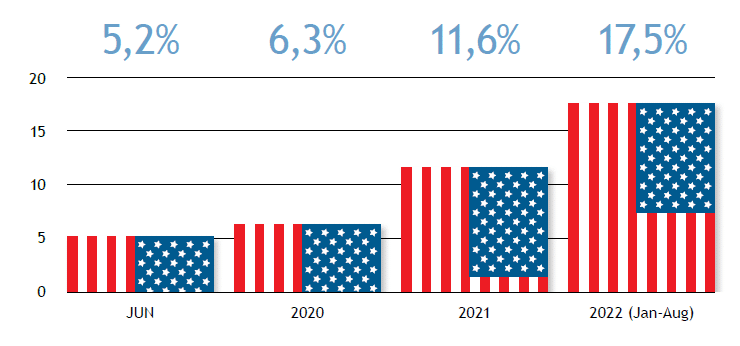
    The Portuguese Golden Visa has never been as popular as it is now. According to the Portuguese Immigration and Border Service (SEF), in the first eight months of 2022, US citizens accounted for 17.5% of all golden visa applications. They consider the programme an easy route to establish residency in Europe as it offers them mobility in Europe, a solid plan B, and possibly a profitable investment. In fact, the Alentejo region in Portugal has recently been dubbed the Portuguese “Napa Valley”, and we have seen huge interest from the US in our two Alentejo projects.

    There are, of course, various reasons why Americans are leaving their country. Here is an excerpt from an article in the New Yorker: “Our democracy is in crisis. Many institutions of our government are dysfunctional and getting worse. Our electoral system has produced, in a single generation, two Presidents who received fewer votes than their opponents. A changed media landscape has – with the shrewd assistance of malicious actors at home and abroad – loosened our collective grasp on reality. Our politics have become alarmingly acrimonious. … Technology is enriching some and leaving many others behind.”

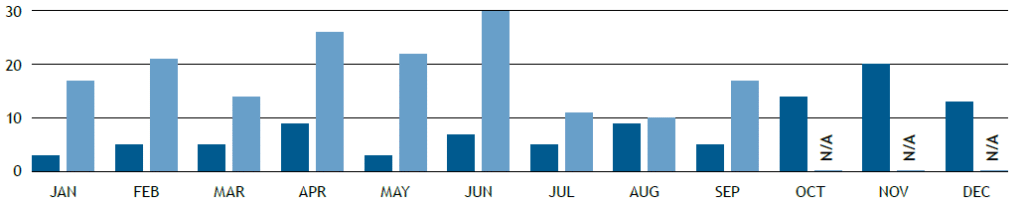
    Residence Permits (ARI) US Applicants – Years 2021 & 2022

    US investors in Portugal fall typically into five main categories:

    • Retirees
    • Plan B seekers
    • Digital nomads
    • Parents of children living in Europe
    • Crypto investors

    RETIREES: The Annual Global Retirement Index 2022 has named Portugal the fourth best country for retirement. Portugal has great weather, a central location, good connections to the rest of Europe, a safe society, great health and education, as well as a relatively affordable cost of living. Many Americans dream of spending their retirement years travelling within Europe. Portugal’s Golden Visa ensures seamless travel on the continent.

    PLAN B SEEKERS: In today’s world, having a plan B is no longer an option. It is a requirement. Considering the current political and social atmosphere, having a plan B in a calm and stable country has become more important than ever. According to the Global Peace Index 2021, Portugal is the fourth safest country in the world. This is a huge motivation for investors who want to secure their family’s future in a safe country. Apart from security, the quality of life, education, and health care in Portugal are among the best in Western Europe, accompanied by a nice and mild climate and many world-class beaches.

    PARENTS OF CHILDREN LIVING OR STUDYING IN EUROPE: The pandemic has brought about travel and visa limitations for many wealthy American parents, who were suddenly not allowed to make short trips to visit their children working or studying in Europe. It turns out that this temporary confinement has triggered demand among affluent parents for more permanent solutions that allow unrestricted travel to Europe.

    DIGITAL NOMADS: In addition to the Golden Visa, Portugal recently launched a one-year digital nomad visa. Remote workers are now able to live and work in the country for up to 12 months. To qualify, applicants must earn at least €2,800 per month – roughly four times Portugal’s minimum wage. Of course, the Portuguese Golden Visa continues to be attractive for US-born digital nomads who want to establish a base in Europe.

    CRYPTO INVESTORS: Investors who want to secure their crypto earnings through a tangible asset, should consider the real estate option under Portugal’s Golden Visa. Investors can also opt for Portugal Golden Visa investment funds if they are already familiar with non-traditional investments. There are funds that focus on crypto investments. In Portugal, traders and investors aren’t subject to certain taxes on their crypto earnings. Also, the crypto community in the country is growing, which means that investing in the country opens the door to all kinds of networking opportunities.

    US applicants’ share of overall Portugal golden visas (approved applications)

    The Bottom Line

    The Portugal Golden Visa stands out because of its flexibility. It allows for various investment methods that cater to different styles of investment. Moreover, Portugal is calm, safe, welcoming, and generally a pleasant place to live. Welcome to Portugal!

  • What’s ahead for Citizenship by Investment?

    What’s ahead for Citizenship by Investment?

    An article written by Eric Major FIMC, CEO of Latitude & Patricia Casaburi IMCM, Managing Director of Global Citizens Solutions for the IM Yearbook 2023.

    The idea of citizenship by investment has long provoked discussion and debate amongst critics and supporters. The IM Yearbook has invited Eric Major, CEO of Latitude and Patricia Casaburi, Managing Director of Global Citizen Solutions, to share their thoughts and opinions on the future of citizenship by investment.

    Pressure from the EU and the US is growing to end citizenship by investment (CBI) pathways in Europe and beyond. Are we seeing the end of citizenship by investment?

    Eric Major: Certainly not! Citizenship is a sovereign matter, which no supranational body can fully dismiss or carry off. The question is whether they can influence a country to cease it, to which the answer is Yes. Some nations will be influenced, possibly Malta and Montenegro, and others will not be. The Caribbean nations, I suspect fall in this category. However, in the end, CBI will be around for as long as independent states exist.

    Patricia Casaburi: I think we will see an evolution rather than the end of citizenship by investment. Most countries have a few different paths to temporary or permanent relocation, and we are seeing governments being creative in the development of visas for various market demands, hence the popularity of the digital nomad visas in EU and beyond.

    Investment migration professionals have adopted important self-regulatory mechanisms, while programmes insist that they apply the highest levels of due diligence. In your opinion, why have these initiatives failed to convince critics so far?

    Patricia Casaburi: Critics of CBI and RBI who are part of the EU or other governments would likely want to see more harmonisation on the due diligence checks, more cross-border reports and background checks on main applicants and family members regarding sources of wealth, corruption, and tax evasion. Of course, these are in place, but a lack of standardisation and transparency exists.

    Eric Major: The truthful answer is that our industry has experienced very damaging blemishes, even over the last three years, which brings fair doubt to the veracity of the industry’s claim to its high level of due diligence: Cyprus, Vanuatu and even Portugal quickly come to mind, let alone the early days of the Caribbean CBIs. It’s harder to build a reputation than it is to destroy it.

    There are concerns that if CIPs are phased out, the economies of some Caribbean countries will collapse. What comments would you like to make about this issue?

    Patricia Casaburi: Some countries in the Caribbean, like St Lucia, do not rely solely on CBI and have a diverse tourism industry. The population is often well-educated; however, the islands suffer from a lack of job opportunities and of course, are often hit by hurricanes. So, unless these governments propose ways of diversifying their economy with agriculture, for example, the downfall of CIPs would impact them hugely.

    Eric Major: As I already mentioned, I do not believe the Caribbean CIPs will be phased out. Yes, they could potentially loose visa-free travel privileges in the Schengen area, but I am 100% convinced they will continue to exist. Last I checked, there were more millionaires in the US than in any other country in the world, and Americans don’t apply for Caribbean CIPs because of Schengen access. They buy it because it is a safe destination that provides them a great lifestyle.

    In your opinion, how should CIP countries and the industry best respond to the situation?

    Eric Major: Let time show us how things will play out. At this point in time, there is nothing the industry can do to reverse the decisions that have already been made. However, we should encourage the CIUs to have a 10%-15% refusal rate. Too low a refusal rate isn’t credible in my mind.

    Patricia Casaburi: Four things come to my mind: Implementing the sought-after standardization of due diligence, improve communication between member states and third countries, continuous monitoring but also, investments that fit a bigger agenda. For example, investments in climate change and advancing energy targets, solutions that ensure the affordability of rent for locals, the creation of jobs, social programmes, and productive investments in the economy.

    What are your expectations for citizenship and residence by investment for the next three to five years?

    Patricia Casaburi: I predict that there will likely be more regulation, the introduction of an EU regulatory body that oversees programmes at the country level, productive investment, as well as full cross-border transparency. We may see the rise of programmes that cater to other parts of the world, like the Asian as well as the South and Latin American markets. Motivation is also ever evolving and geo-political events matter.

    Eric Major: Lots of changes coming, and I am still bullish!

  • “It is all about European blood”

    “It is all about European blood”

    An article written by Prof Dimitry Kochenov, Leader of the Rule of Law Workgroup at the Central European University and Dr Elena Basheska, Post-doctoral Research Fellow at CEU Democracy Institute for the IM Yearbook 2023

    The IM Yearbook sits down with Dimitry V.Kochenov and Elena Basheska to discuss the European Commission’s views on investment migration.

    “It Is All About European Blood, Baby!” This is the attention-grabbing and thought-provoking title of a new report you just wrote. Why did you choose this title?

    Dimitry Kochenov (DK): It is just a reflection of reality: The European Commission makes a clear distinction between those who acquire European ‘citizenship by blood’ and all others. When ‘blood’ is there, nothing else – such as residence, place of birth or income – usually matters, so the links to Europe are presumed to be there when one can trace the right ancestry. This means that the whole concept of citizenship as promoted by the European Commission is a blood-based status.

    I’ll give you an example of citizenship by decent, which makes the absurdity of this quite obvious. So, if someone who has lived in Australia for many generations, suddenly finds a Greek ancestor, then this is the ‘blood link’ that counts and that automatically enables this person to get a Greek passport and all the rights in the European Union.

    Of course, no due diligence and no other checks other than those about the blood connection are carried out. However, make sure all the line is male. Any grandmother would ruin the construct and you will need to spend years and/ or a lot of money to acquire European documents.

    Be it as it may, it’s clear that the only thing that counts is the blood line. This explains the title, and there is nothing exaggerated about it. The blood paradigm is only broken by naturalisations, which amount to less than 2% of citizenship acquisitions around the world.

    Over the past eight years, EU institutions have turned to investment on numerous occasions. For those who are not familiar with the issue, can you briefly summarise the EU’s actions and initiatives?

    DK: It all started with a debate in the European Parliament (EP) when Malta was about to introduce its CBI in 2014. It’s interesting to note that back then there was already a programme in Ireland, which didn’t raise any red flags and was operating in a similar way to the one that Malta planned to introduce. And Cyprus did not interest the EP either: context did not seem to matter.

    In other parts of the world such as the US and Canada, programmes were operating, too. But the European Commission did not think critically of these programmes. They only started exercising pressure on Malta as a result of the commotion in the European Parliament, which claimed that European citizenship should not be for sale. So, one part of the dispute revolves around the question whether the EU only wants to accept the blood connection or whether the EU wants to consider a more open version on the modalities of citizenship acquisition. The essence of EU citizenship is essentially at stake.

    The other part of the dispute concerns the EU’s competence. When the European Parliament released its resolution in 2014, it underlined that the EU doesn’t have competence on the matter. Viviane Reding, Vice President of the European Commission, said the same earlier when asked about Cyprus, only to change her mind concerning the scope of EU law when Malta entered the picture. Knowing that the EU has no competence, the Commission pushed Malta, simply by exercising political pressure, to introduce a legal residency requirement.

    In the years that followed, the position and the tone of the EU changed gradually as if the Union law about the separation of competences between the member states and the EU had changed, which was, of course, not the case. So, in the more recent reports of both the European Parliament and the European Commission, we already see that somehow the EU institutions think they should have a say in citizenship questions.

    Elena Basheska (EB): Then, at the end of September 2022, the Commission announced that it would refer Malta to the Court of Justice of the European Union (CJEU). The Commission insists that CBI programmes are a violation of the principle of ‘sincere cooperation’ enshrined in Article 4(3) of the Treaty of the EU (TEU) because it confers citizenship in the absence of a ‘genuine link’.

    To date, Malta operates the only active formal CBI programme in the EU; however, you argue that investment migration is legally practised by the absolute majority of the EU’s member states. Can you give us a few examples?

    DK: Yes, in fact the backdrop to all the above is that today almost 20 member states offer residency by investment. And, of course, we know very well that accumulating residency is the easiest path to EU citizenship, if you cannot find blood. Moreover, most EU countries – although they do not operate formal CBI programmes – allow for discretionary naturalisation on the grounds of ‘special achievements’, which often includes economic achievements. The difference between the two approaches is formal rather than substantial: CBI programmes are specifically designed to attract foreign investors, set clear criteria for applicants and are marketed by service providers, while naturalisation on the grounds of ‘special achievements’ is traditionally less transparent in terms of qualifying criteria and not marketed by agents.

    You claim that the EU lacks legislative competence in the area of citizenship while the principles of international law also do not back the Commission’s position. Can you outline your reasoning?

    DK: The ABC of global citizenship law is that states are free to confer citizenship on those whom they consider qualified under the Hague Convention of Nationality and, unquestionably, under EU law. No sane academic voice would argue that the EU has competence to legislate here, which is why all the documents that the Commission released so far with the aim of attacking the investment migration industry are not legislative proposals, even if they attempt to push the member states, purely politically, to alter their regulation in a certain way. France still decides on who is French and retains all the rights to do so, just as Malta decides on who is Maltese and Finland on who is Finnish. The law is crystal clear.

    You argue that the European Commission is abusing its power and has concerted a “large-scale political campaign to mislead the public”. What other elements in the Commission’s narrative led you to this conclusion?

    DK: The Commission is routinely demonising investment migrants – an approach, which is questionable at best. Its core argument in numerous documents could be boiled to the following: third- country nationals who invest in member states may be criminals and, therefore, investment migration programmes create security risks; the fact that EU citizenship provides for cross-border rights increases such risks further. The Commission seems to make assumptions about investors largely on the basis of their status as beneficiaries of RBI and CBI programmes. The presumption of innocence, apparently, does not enter the picture. This is contrary to the EU Charter and wider EU law, especially given that discrimination based on the mode of citizenship acquisition is prohibited.

    In fact, the Commission’s attack against investment migration assumes that it is acceptable to target groups of EU citizens and single them out for differentiated treatment based on the ground on which nationality of an EU member state and, thus, EU citizenship had been acquired. This type of discrimination is squarely prohibited in EU law. Treating Europeans differently based on the rule which made them EU citizens is not what EU law allows and most national constitutions would prohibit it too. The crusade against CBI is an assault on this principle.

    What, in your opinion, are other problematic aspects in the European Commission’s approach?

    DK: Another critical aspect is the whole assumption that there needs to be some sort of link that should underpin a person’s citizenship when we have already seen that blood is the only one that the European Commission and the European Parliament are interested in. Furthermore, it goes directly against the EU’s internal market and the principle of non-discrimination on the basis of nationality – the very core of what the EU is all about.

    In fact, concrete member state nationality is made irrelevant by the successful operation of EU law. So, for a child born in Luxembourg with a Danish passport, who lives his or her whole life there and has no connection to Danish society, the principle of non- discrimination holds. Luxembourg will not be legally allowed to mistreat this child. The CJEU has already ruled that member states of residence are not entitled to question lawfully acquired citizenship of the EU.

    What other comments would you like to make about the European Commission’s attitude towards investment migration?

    EB: The Commission makes frequent references to genuine links and the principle of sincere cooperation. These are somewhat misplaced. The Commission’s argument is that a lack of genuine link undermines the status of EU citizenship in accordance with Art 20 TFEU and is incompatible with the principle of sincere cooperation enshrined in Article 4(3) TEU. This argument of the European Commission is very weak.

    Furthermore, infringement of the principle of sincere cooperation, without violation of a more specific Treaty obligation, cannot be successfully invoked, and Article 20 TFEU which is often put by the Commission in the same context with the principle of sincere cooperation does not impose such specific obligation on member states. It, therefore, remains unclear how investment programmes infringe Article 4(3) TEU. It is difficult to imagine that the principle of sincere cooperation could be successfully invoked in the context of investment migration. Article 4(3) TEU concerns the achievement of EU objectives and genuine compliance with EU law, none of which seems to relate to investment migration.

    You mention that the European institutions used the war in Ukraine as an opportunity to again voice its opinion about investment migration. What thoughts would you like to share about this issue?

    EB: In March 2022, the EP called on the member states with residence by investment schemes to review all beneficiaries of such residence status and to revoke those attributed to Russian high-net-worth individuals and their families, in particular those linked to sanctioned individuals and companies. The Commission equally regarded the start of the war as a pretext to voice its opinion on investment migration, calling for the immediate termination of existing CBI programmes and stricter checks of RBI in respect of Russian and Belarusian citizens who naturalised or obtained their residence through investment.

    However, the Commission did not make the same recommendation about Russians and Belarusians who obtained or are in a process of acquiring their EU citizenship for ‘special achievements’ or who claimed citizenship by decent. The Commission justified such a move with ‘the difficulty to conduct the appropriate security checks and due diligence in these particular circumstances and in view of the gravity of the situation’. And again, the Commission did not express similar concerns about Russians and Belarusians who are acquiring their EU residence permits on the basis of grounds other than investment migration. This suggests that the Commission is fighting its own war against investment migration in this context rather than being genuinely concerned about security risks. Such policy is dangerous, especially if we know that nowadays Russian elites in the country are expected, if not forced, to support the war in Ukraine.

    Moreover, stripping Russians and Belarusians of their citizenship acquired through investment may be problematic even if that is conducted for justified security reasons. EU member states have conditions for withdrawal of citizenship, including for security reasons and such rules are equally applicable to naturalised citizens of all nationalities and notwithstanding the naturalisation grounds. Applying such rules to Russians and Belarussians specifically, as seemingly suggested by the European Commission, is arbitrary and discriminatory. Even more so, according to experts in the field, the deprivation of nationality of citizens on national security grounds is presumptively arbitrary and exceptions to that are very limited.

    In the report, you talk about the “failure of structures” and “abusive misuse of EU law”. What aspects of this development worry you the most and what change would you like to see?

    DK: What worries me the most is that EU citizenship, which was construed first to liberate us from the bonds of nationalism, is now being hijacked by some 19th-century blood nationalists who happened to hold the upper hand in the European Commission. I can’t believe that the Commission’s Legal Service, which is the in-house legal counsel to the Commission, supported the decision to refer the matter to the CJEU. To me all this is a clear sign that basic checks and balances within the Commission are absolutely hijacked by politicians who have zero interest in citizens’ rights and in the preservation of the main achievements of the European Union.

    What line of argument do you think the CJEU will adopt?

    DK: The CJEU is in a very difficult situation. Obviously, no one is interested in the European Commission losing its face. However, should the Commission win this case, it would destroy the main achievements of the EU. The court will have to be extremely careful in trying to preserve the internal market without being too harsh on the Commission.

    What I can predict is that the CJEU will focus on the problems, which the Commission tries to connect with investment migration, which would be money laundering, terrorist financing and tax evasion. Ironically, these are the fields in which the Commission already has competence to act. If the Commission thinks there is money laundering going on, it has the competence to legislate and should work with the member states to make sure that legislation is operational on the ground. So, then it would not be about the institution of citizenship but how to deal with the negative consequences of a particular way of acquiring citizenship.

    Do you think the case and, ultimately the CJEU’s decision, will have repercussions on the countries outside of the EU?

    EB: I think it depends on the outcome. If the CJEU disapproves the Commission’s arguments, it will probably stimulate other member states within the EU and even beyond to launch formal investment migration programmes. So, the court case will have the opposite effect of what the Commission wanted to achieve. And again, I don’t see how the CJEU can support the Commission’s argument that CBIs violate the principle of ‘sincere cooperation’ due to the absence of the ‘genuine link’.

    DK: We also need to keep in mind that the EU is not the top market for citizenship by investment, and we know that what the EU thinks about it has a very limited effect on what happens outside of the EU. And if we are honest, declaring a war against investment migration when you are not actually the market leader in investment migration is a very problematic start to begin with. But even if the CJEU will not uphold the current law, it will probably not destroy investment migration at all. Investment migration will simply move to other regions of the world.

Pin It on Pinterest

Skip to content