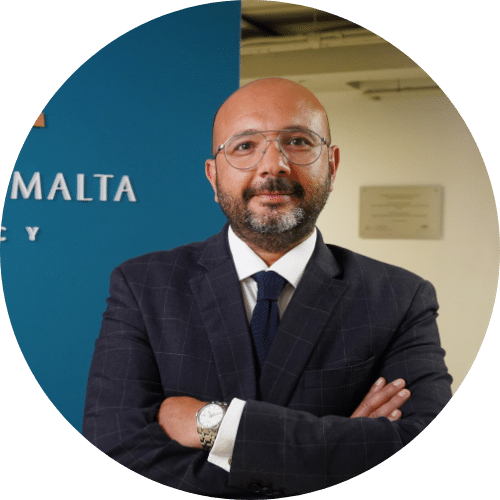
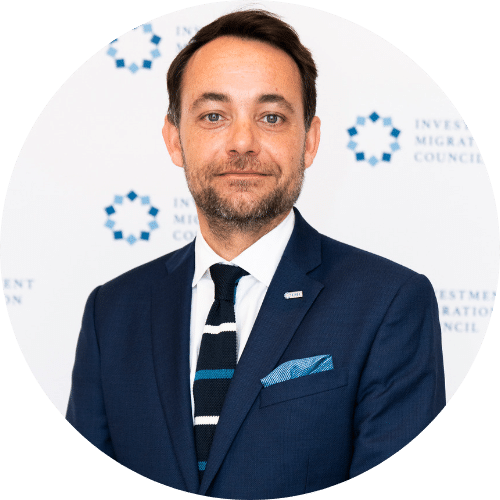
An article written by Charles Mizzi IMCM, CEO of Residency Malta Agency for the IM Yearbook 2023.
Malta is one of the most popular destinations and jurisdictions for second residency, and the country’s appeal as a place to relocate to remains high. The IM Yearbook catches up with Charles Mizzi, CEO of the Residency Malta Agency, to understand how the agency has established itself as a leader in the industry.
Success, like charity, begins at home,” says Charles Mizzi, “and this is one of the principles on which Residency Malta is built. The Agency actively invests in the people who make it what it is, and this holistic view of development has helped propel the Malta Permanent Residence Programme (MPRP) towards its continued success.”
With the firm belief in people development as an important business driver, over the past year, Residency Malta has continued training its staff and investing in its HR, as a way of refining its work and delivering output of the highest standards. “Whether it’s customer service, investigative analysis or technical skills, our people need to be at the forefront of their area of expertise, so that we can add value to every stage in the application process,” says Mizzi.
The Agency simultaneously invested in its IT systems, enabling more streamlined and efficient operations and an overall improvement in processing time. “We are now promising a four- to six-month processing time for the MPRP without compromising on due diligence,” he adds. “This brand promise has become an important feature of our programme and an effective selling point.”
Service to agents
MPRP applications may only be submitted to Residency Malta via licensed agents. “Our relationship with agents is crucial to the management of the MPRP,” highlights Mizzi. The agency continues to strive towards more communication with agents to keep them updated, while listening to their feedback, exchanging ideas and working towards a better product for everyone involved.
Towards this end, Residency Malta recently launched an Agents’ Portal, a useful tool which allows agents to securely check the status of their applications, while also giving them access to other data and reports that help them organise their work. “This aspect of our digitalisation has also added value both to agents and their clients and has allowed us to keep our promise of quality and value for anyone who gets in touch with Residency Malta,” he says.
Product diversification
Malta is a treasure trove of opportunities, and Residency Malta has taken upon itself the role of making sure this is properly marketed and availed of. Staying in touch with the dynamic market is one of the ways in which the agency diversifies its product and makes sure to unlock the full potential Malta has to offer to the right applicants.
The launch of the Nomad Residence Permit is one such example of this. In 2021, Residency Malta began offering a one-year residence permit for digital nomads from non-EU countries. This product was successful not only in terms of numbers, but also in its ranking on international sites. The agency – in collaboration with the country’s business promotion body, Malta Enterprise – also launched a Startup Residence Programme, for individuals from third countries who would like to use Malta as a launch pad for their innovative startup and scale up.
Malta’s attractions
“All our programmes offer a strong proposal with added value,” says Mizzi. “But a contributor to our success is Malta itself. We are offering residency on an island that builds a balanced bridge between Mediterranean island life and a metropolitan lifestyle. English is a national language making communication between locals and expats easy. Our history and heritage have given the island its character, and this has continued to evolve with the times. Our local infrastructure is constantly improving, and the digital infrastructure is ideal for those wishing to work remotely from our shores.”
Malta is also ideal for family relocation.The island is safe and family-oriented, boasts one of the best healthcare systems in the world and offers a variety of educational institutions in addition to easy flight connections and access to the rest of the EU.
Meanwhile, Malta has reaped great benefits from the agency’s success, with revenue invested in the Consolidated Fund and the National Development Social Fund, which in turn provide important financing for Malta’s infrastructure, health, education, heritage, and philanthropic projects.
“Residency Malta has one mission – unlocking Malta’s potential as a home away from home while adding value to our country. We will continue to push towards efficiency, transparency and integrity, while keeping our solutions fresh in a highly dynamic market,” Mizzi concludes.
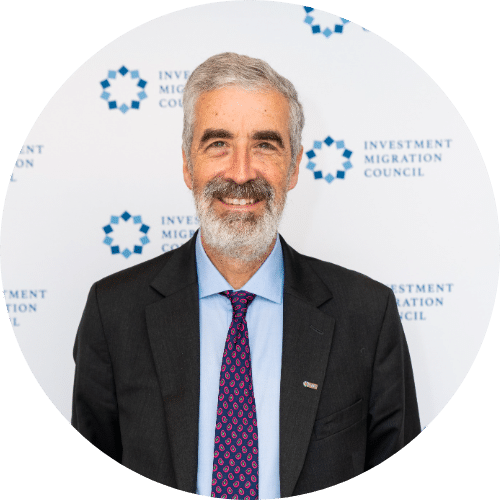
An interview with Austin Fragomen FIMC, Chairman Emeritus at Fragomen for the IM Yearbook 2023.
Austin Fragomen shaped modern immigration practice like no other and built the largest migration focused legal firm in the world. In January 2023, he has passed on the leadership of the firm to Lance Kaplan and Enrique Gonzalez. The IM Yearbook caught up with Austin Fragomen to relive some of his career highlights and gain his thoughts on the current trends influencing global migration.
What memories or recollections do you have of your entry into immigration law?
As a law student I was very interested in international law, and I took as many international law courses as I could. When I graduated from law school, I went to work for the house judiciary committee, the US house representatives, and I became the staff council to the immigration subcommittee. Back then, the US immigration system was very much focused on family reunification and humanitarian immigration, and although it had some allowance for business immigration, this was limited.
When I arrived at the Committee in the 1970s, the big issue was how corporations could move people around the world. It was very laborious because there was no non-immigrant category that allowed for work on a temporary basis. I got involved in making changes to certain visa categories to ease the process. I thought this was a big growth opportunity, which turned out to be accurate. In the years that followed, companies really embraced these new methods and opportunities to move people around the world. We then decided to build an immigration practice, which had two prongs to it: the private client and the corporate practice. And we maintained this dual approach throughout the years.
Fragomen was founded in 1951 as Elmer Fried. Looking back, during which period did you experience the greatest growth?
In 1990, there was a major reform of the immigration Act, which greatly increased the number of visas allotted to business immigration and created the EB-5 category in the US. That provided a lot of additional opportunities. Previously, the US didn’t really have a programme for investment migration. Back then that space was dominated by some Caribbean countries, South American countries, and some other obscure places that I found most of the investors didn’t know where they were. I remember someone in Hong Kong once asked whether world maps are handed out along with the visas so that the investors knew where to go.
Meanwhile, we saw big demand for global representation from major corporations. They, of course, had operations around the world and asked us to represent them. We did that first through co- councel in places like Canada, the UK and Brazil. Then, in 1999, we opened our first foreign office in Belgium and subsequently got more involved in global emigration and represented people moving out of the US.
The private client side only got international following the introduction of the US EB-5 regional centre programme in 2005. Before that, the EB-5 system in the US was not very popular, it just had around 1,000 applicants per year. It simply was too complicated since investors had to have an active business with at least 10 employees.
What strategy did you apply to scale the firm and transform it from being a small boutique law firm into a global organisation?
In most countries, we were co-counseling with another law firm initially. We only opened our own office when we had enough critical mass. Frequently, the co-counsel would merge into our firm. Of course, the situation was a little bit different in each country. For instance, after PwC in Australia decided to divest themselves of their consulting businesses in the early 2000s, we bought the immigration business from them.
We never opened an office and then tried to get clients. We always made sure we had clients first. Our clients were mainly the global operations of US-based companies that we represented, so this made it easy to expand. Once the US regional centre system was established, we were able to look at US immigration. The first country – besides the Caribbean islands – which had a robust and active immigration system was Canada. We used that particularly for Asian and South African clients. As the residency and citizenship by investment sector really took off, it became a large part of our private client business.
What can you tell us about Fragomen’s footprint today?
We now have a staff count of some 6,000 people. The important thing is that through various layers of subsidiaries, we own all the offices that we have throughout the world, except for a few locations in Latin America where we have a network of providers with whom we have a different economic arrangement. Ultimately, we’d like to have offices in all the principal countries where there is enough activity and that warrant to have an office.
We have a handful of locations where we are going to be opening offices. We were a little bit late in South-East Asia, so we recently opened an office in Thailand, and will probably be opening offices in the Philippines and in Japan next. We didn’t have a good coverage there before. We had offices in Singapore, Malaysia, and China. We thought at some point we will have offices across China, but right now the business in China is impacted due to all the Covid-19 the restrictions. Importantly, however, in many countries we managed to build up local business, even in China we represent several Chinese companies for immigration purposes around the world. We are competing with the Big Four primarily, not with other law firms. They have offices everywhere, so it’s important for us to have offices in major locations that offer a certain volume of work too.
2022 marked the year where geopolitical tensions moved centre-stage again, and the economic outlook for 2023 has turned sour. How do you think this climate will affect investment migration?
The prospect of a recession hasn’t really impacted employment so far, but it will to a degree. We can expect that to happen, but it is not going to be anywhere near the impact that Covid-19 or the 2008/2009 financial crisis had.
More importantly, labour migration is a growing business, regardless of what’s going to happen to the economy. As long as we have population growth, labour migration will grow too. In fact, if you track the number of labour migrants against population growth, the growth line is pretty much the same.
I think countries will really start focusing on the skill gap problem that they have. Many countries need people with specific skills. However, their educational and training systems lag behind and countries are not able to fill those needs domestically. On top of it, there is the demographic problem, with several countries just not having enough workers. On the other hand, many developing countries are experiencing strong population growth. Therefore, migration will be a major factor moving into the future.
How can host countries best try to attract skilled workers?
I think countries need to and will start institutionalising their need for migrants, and they will further decouple work visas from employment. Some countries have already launched programmes to attract high-potential migrants. An example is the UK’s ‘High Potential Individual Visa’, through which graduates of the world’s top universities can get a work permit in the UK without having a job offer. Elsewhere, in 2021, Canada allowed about 50,000 foreign students to stay for 18 months after graduation to seek employment, during a time when the economy was reopening from Covid shutdowns and companies needed to hire.
I am certain we are going to see a lot more international cooperation. Countries will work closely together to place job seekers across borders. The Global Compact for Migration, which has been adopted by most of the countries in the world, sets up best practices for every aspect of migration. For the first time countries are really coming together and talking about how they can use migration as a tool for development. Moreover, the Global Forum on Migration and Development. I am the chairman of the private sector group in the Global Forum on Migration and Development, so I do a lot of work with different countries around the world on migration policy. We see a lot more coordination and transparency, as well as sharing of best practices. This is very different compared to the situation a few years ago.
Yet immigration remains one of the most controversial policy issues in many parts of the world, including the US and Europe. What thoughts would you like to share about migration, public opinion, and political support?
I think that the general attitude towards immigration is becoming more positive in the sense that people are realising that countries require some level of immigration. I think Covid-19 helped in a weird way because in many developed countries, immigrants made up a large part of the ‘essential workers’ that kept everything moving.
Moreover, countries are making statements about their need for immigration. For instance, Japan just said they need more people because they have a massive shortage of workers. Of course, what’s negative is irregular immigration. Since Donald Trump has announced that he wants to run for president again, I think we will have several more years of intense analysis of immigration in the US. Europe has substantial problems with irregular immigration too, but I think overall the attitude towards immigrants is slightly better.
In a previous interview with the IM Yearbook, you were not very convinced that start-up, entrepeneur or innovator visas would be economically successful. Today, almost every country runs these programmes. Have you noticed any significant improvements?
There’s a renewed interest in these programmes as countries are trying to attract innovators and entrepreneurs to create jobs. But I am still of the opinion that no one has figured out how to run them. How do you identify people who are the process of being successful?
Some programmes look at how much money a start-up has attracted from angel investors. However, the presence of venture capital doesn’t mean that you are going to have a successful company. However, I think we are going to see more digital nomad programmes, which are going to allow people to live somewhere and not have to make an investment. I think that offering will compete to some extent with traditional investment migration programmes.
India is currently one of the hottest markets for investment migration.
Yes, what’s interesting about India is that there’s a lot of circular migration. We see a lot of Indians coming to the US to study because they think they have more opportunities here and it’s a good career steppingstone for them, but many of them are returning to India, where they set up their own companies or take up senior positions in large Indian companies. It’s one of the big success stories in the migration field: People leaving a country, acquiring a higher level of education, and then returning and applying those skills in their home country.
What key lessons have learned along the way that would you like to share with practitioners across the world?
From my experience, and in retrospect, I can say that recessions or other forms of turmoil only have a minimal impact on migration. The one thing that we really need to be aware of are politicians who can be harmful to the migration system due to their general xenophobia. They are the people that as an industry we really must be concerned about.
What are your plans for your retirement? I find it hard to believe that someone like you will just sit back and enjoy the Florida sunset.
I will certainly keep my affiliation with my firm as chairman emeritus. My plan is to continue being involved in migration policy. I will be somewhat less involved with clients, but I will offer advice at the policy level and support organisations such as the IMC.
An article written by Andres Solimano FIMC, Chairperson of the Investment Migration Council for the IM Yearbook 2023.
Andres Solimano, IMC Chair as well as founder and chair of the International Centre for Globalisation and Development, analyses the current economic climate and its effects on investment migration.
The world economy is uncertain and experiencing a deterioration that is expected to continue in 2023 only to recover in 2024. Currently, the global economy is effected by an unpleasant combination of high inflation, higher interest rates and serious geopolitical risks. Moreover, there is the possibility of a new debt crisis in low-income countries and highly indebted emerging economies.
In the last three years, the global economy has experienced the effects of the Covid-19 pandemic followed by a global recession. World GDP contracted in 2020 due to forced lockdowns, which created a supply side shock as people could not go to work and supply chains broke down. While there was a rapid turnaround with a strong recovery in 2021, more structural challenges such as climate change, entrenched inequality, the replacement of fossil oil energy matrix to support green growth, and environmental fragility remained. Global institutions such as the International Monetary Fund, the World Bank and others still expect growth in 2022 and 2023 for the world, although they have adjusted their projections downwards.
Nonetheless, this uncertain economic environment may have positive effects on investment migration flows as the insurance value of programmes is rising. Investors will make an extra effort to find more secure locations where to invest their money and secure a better environment. Countries offering more stability, predictability and good investment opportunities will benefit from this development.
The shift to high inflation
After decades of 2% to 3% inflation per year in industrial economies, since the Covid-19 pandemic, and exacerbated by the war against Ukraine, inflation has accelerated and reached annualised levels of around 8% in 2022.
Large economies such as the US, UK, Germany and Spain are experiencing annual inflation above 10%. Some countries, such as the Baltic ones, have an inflation rate hovering around 16% to 20%.
Several demand and supply factors have contributed to the acceleration of inflation in the world economy since 2020-21. One reason is the accumulation of household liquidity due to a lack of consumption opportunities during the lockdown period. When mobility restrictions were lifted, this excess liquidity went directly to the market, pushed up prices in the process.
Tied to this are also the fiscal transfers and subsidies granted by national governments to households in the Covid-crisis era. These have contributed to increase aggregate demand, leading to fiscal-led inflationary pressures.
Moreover, cost-push effects associated with supply constraints due to strains on maritime transport facilities and the subsequent rise in freight rates along with other disruptions in supply chains increased prices, while the rise in food and energy prices, which started in 2020 but exacerbated after Russian’s invasion of Ukraine in February of 2022, added to “headline inflation”.
A concern is that these inflationary pressures may become entrenched. Inflation dynamics over the next two years will also depend on second-round effects such as the response of wages to previous price hikes as well as price adjustment policies by governments.
A key player in the future evolution of inflation are central banks. Nowadays, around the world, monetary authorities are tightening monetary policy through higher interest rates to reduce inflation.
The sources of inflationary pressures vary across economies. While there is some consensus that inflation in the US is largely associated with an ‘overheated’ economy’ due to exaggerated levels of demand in both the goods and the labour market relative to the potential supply, it is an open question whether this is an accurate description of the economic reality of America. Low unemployment is used as an argument to back the hypothesis of “excess demand in America”.
For Europe, the diagnosis is different, and it focuses on the very sharp increases in the price of gas and oil, imported from abroad, mostly Russia. Thus, a supply- shock story describes the inflationary situation in Europe better while a demand- side story is more plausible for America. Among emerging economies, inflation is closely related to the energy price and food price shocks coming from international markets, so we are dealing with a mix of supply-shock and imported inflation.
An impending recession?
As mentioned, the IMF, the World Bank, the OECD, and the European Central Bank have all adjusted downwards their GDP growth forecasts for 2022 and 2023. In turn, recessions are anticipated in 2023 for Germany, Italy and Russia, while the two major powerhouse of the world economy – the US and China – will experience slowdowns.
The causes of the global slowdown are related to the effects of higher interest rates to fight inflation, compounded by supply energy and food price shocks and the effects of increased uncertainty affecting private investment and consumption, two main drivers of aggregate spending and economic activity.
In addition, world trade has declined due to supply disruptions and new geopolitical realities, shaped by embargoes and a shift to ‘secure sources’ of supply – a major change when compared to the previous rule of “cost minimisation” that governed globalisation in the last three decades. All these factors are affecting global growth.
The risk of a debt crisis
During the Covid-19 crisis of 2020-21 many governments were forced to increase their levels of foreign borrowing. They needed financing to fund Covid-related support programmes set up to protect the living standards of their people who could not go to work and generate the necessary income to sustain themselves.
Importantly, this borrowing was contracted, mainly in US dollars and took place at generally low interest rates. However, during 2022, macroeconomic and financial conditions have changed dramatically. A sharp rise in interest rates, a very strong dollar and portfolio capital outflows from developing nations at the periphery to advanced economies at the centre may eventually trigger a new debt crisis.
For context, in the early 1980s, a very similar combination of economic factors affected the world economy following inflation stabilisation policies in the US pursued by the Federal Reserve: interest rates increased, the dollar appreciated against main world currencies and currencies of the periphery. In addition, capital flight was the norm with money flowing from economies of the global south to the US and other advanced economies. The result was the onset of a debt crisis in several large economies of Latin America, Turkey and the Philippines including forced debt rescheduling, debt cancelations and debt defaults. These episodes were also accompanied by currency crashes, recessions, dwindling investment and portfolio capital outflows.
We have seen several debt crises in the last three to four decades: the East Asian crisis in 1997-98, the convertibility crisis in Argentina in 2000-01, debt stresses in Brazil in the late 1990s and the global financial crisis of 2008-09.
Yet, history does not need to repeat itself. After four decades of repeated debt crises around the world there are better mechanisms to anticipate them and cope with them if they take place. Exchange rates regimes in developing countries are more flexible now than then, international reserves in the hands of central banks are higher and fiscal policy has become more ordered and predictable. Moreover, today, the IMF has in place a set of new financing instruments, several of quick disbursement, that could help avert the repeat of debt crises. However, there is little space for complacency as financial conditions are fragile even in large mature economies. Just think of the sharp decline in the value of the pound and bond prices following the Truss- Kwarteng regressive tax cut and spending increase package of late September in the UK, a policy mix that was later reversed.
Investment migration
An important consequence of the current economic difficulties is that the global economy is becoming more fragmented, risky, and unpredictable. How can these developments affect investment migration? Two main channels are relevant: First, in a world of heightened economic, geopolitical and security risks, an increase in the demand for investment migration is likely to follow. Option theory predicts that a vehicle, programme, or policy – think of investment migration – that enhances opportunities in risky environments carry a positive price, or insurance value.
Second, governments in tough times are in increased need of foreign capital, talent, entrepreneurial capacities, and cash, and therefore will view investment migration more favourably. This already happened after the 2008-09 global financial crisis and is bound to happen again in the current circumstances. Even though, the golden years for investment migration of the 2010s might be largely over for various reasons, the economic need of countries for foreign financing, along with a personal/ household demand for geographic risk diversification, remains. Therefore, it is very likely that investment migration will continue to thrive for quite a while.
An article written by Abteen Vaziri, President & CEO of Uptown Companies for the IM Yearbook 2023.
At a time when Iran is rocked by the biggest wave of unrest and anti- regime demonstrations it has seen in years, Abteen Vaziri recalls how he had fled the country more than three decades ago. Vaziri, who is today a key figure in the US EB-5 industry, says due to his refugee past he has a unique perspective on migration that many of his fellow practitioners lack.
One evening in 1989, Abteen Vaziri’s mother told him that the family would flee Iran.
He was nine years old and in the middle of school exams. He had studied a lot and didn’t want to leave his home in Tehran to not miss the test. But he didn’t have a choice, although he didn’t understand what was happening: “It was odd that while my parents feared for their lives, I worried about school,” he recalls.
Today, Vaziri sits in an office in New York City. He is the Managing Director of Brevet Capital, an investment firm which has about $2billion of assets under management. In addition to overseeing the business operation, he manages one of Brevet’s five funds: the Brevet Capital Immigration Fund, an EB-5 compliant fund.
Vaziri’s family first attempted to leave Iran in 1979 when the Islamic Revolution shook the world. The revolution turned Iranian society upside down and ended with the establishment of the world’s first Islamic state. Mohammad Reza Shah Pahlavi, the leader of Iran since 1941, left the country in January 1979 and Ayatollah Ruhollah Khomeini, a previously exiled opponent of the Shah, returned and took control of Iran.
Prior to the revolution, Vaziri’s father was an officer in the Iranian air force. Expecting a brutal crackdown on opponents and weighing their options, his parents – like many others – wanted to get out of Iran. “We sold all our assets and paid $15,000 to a group of smugglers who were supposed to take us by horse back and camel to the border and into Pakistan. My aunt, my uncle and their son went first, but my aunt got malaria in Pakistan and died. My parents were so distraught and didn’t want to leave Iran anymore. So, the smugglers pocketed our money and passports while we stayed behind.”
After the regime change, Vaziri’s father was court-martialed and sentenced to death. However, while he was in prison, Iraqi forces launched a full-scale invasion of Iran, beginning the Iran-Iraq War in September 1980. Suddenly, military personnel were needed. “My dad was given a pardon but in return he had to join the air force again. He was given back his job in military logistics, moving and coordinating equipment, supplies and troops.”
In 1989, when the war ended, Vaziri’s father finally managed to obtain a fake passport. As a military officer, he wasn’t allowed to have a real passport. “He then escaped to Austria and later travelled to Germany. My mother, my sister and I also left Iran, but we first went to France. We then joined my father in Aachen, Germany, where we were accepted as political refugees,” Vaziri explained.
Vaziri arrived in Germany in November 1989, which at that time was experiencing its own watershed moment. “I remember that it was all over the news that the Berlin Wall had come down. Until today, every time I see pictures of the fall of the Berlin Wall, I equate that in my own mind to our own liberation from Iran.”
However, at first, things didn’t get much easier for Vaziri. “I did not speak the language, and everything was new and different,” he said. Just when he had started to settle in, another move was on the cards: In 1991, the family relocated to the US after they had been granted a green card as political refugees.
They lived in Los Angeles for the first four years, then they moved to Texas where Vaziri completed high school. University followed and after first obtaining a degree in computer sciences, he also obtained a Master of Business Administration in Finance and later a law degree in New York.
Initially, Vaziri worked in the financial industry, but as often in life, a coincidence led him to his current career. He went for a job interview for a position as a portfolio manager, but during the interview, he was informed that he won’t be managing a portfolio of assets, but a portfolio of investors. “Back then, I was familiar with the programme because one of my cousin’s used the Canadian programme to emigrate from Iran to Canada. I got the job immediately.”
Vaziri worked for the North Texas EB-5 Regional Centre (NTRC) for just under four years. During this time, he managed the largest-ever EB-5 project in the state of Texas. He then got recruited by Greystone EB5 Holdings, a very large institutional lender, to help build their EB-5 practice, and in 2018, he joined Brevet to set up their EB-5 practice, a position he holds until today.
Although refugees leave in a situation of emergency with much less planning than EB-5 investors, he says he has a better understanding of his clients’ situation than many of his peers in the EB-5 industry. “It’s helpful to not only know the legal and the business side of the industry, but also to be able to relate to the human story. There are a lot of emotions involved when people are moving to another country.”
Vaziri also sits on the board of directors of IIUSA, the trade association for the EB-5 regional centre programme. “When I ran for the board of directors at IIUSA in 2018, there wasn’t a single person on the board who was an immigrant,” he says. Today, the situation is different as he has been joined by another board member originally from Turkey.
But Vaziri does not want to stop there. He wants more change and has fresh ideas: “In the US, there are about 70.000 to 80.000 EB-5 investors, and they don’t really have a voice. While there are several investor associations, they are very fragmented. I think there’s a need for a membership-based investor organisation,” he explains.
When the EB-5 progamme lapsed in 2021, there was a huge vacuum of information and a lot of uncertainty among investors. “But investors need a reliable source of information and an independent body they can turn to,” he says.
Vaziri envisions a membership- based investor organisation would also be beneficial to the entire EB-5 industry and could be a “huge support in the next battle with Congress”. Vaziri concludes: “In our industry, we often get so bogged down with regulations, with fund raising and yes, also, with competing. We easily forget about the end users, but without the investors our industry wouldn’t exist.”
An article written by the IM Yearbook 2023 Editorial Team and Fragomen for the IM Yearbook 2023
The IM Yearbook travels with Fragomen around the world to update you on policy changes and developments in the most important investment migration markets. Based in more than 50 offices worldwide, Fragomen’s team is well placed to share some key observations.
United States
The EB-5 Immigrant Investor Visa Regional Centre Programme has returned, and for the first time in its history it has seen some form of longer-term authorisation. In March 2022, the US government re-authorised the popular programme until 2027, which allows prospective foreign investors to invest capital into a government-approved regional centre in order to receive permanent residency for themselves and any qualifying family members.
The Regional Centre Programme has been increasingly popular since its inception in 1992; however, it had historically been authorised by Congress in short-term increments. The programme lapsed in June 2021 and was not immediately renewed by Congress. The entire programme was put on hold, bar investors who had already received their initial green card.
The reauthorisation is important, especially for prospective investors in the APAC region, including China and India, who can take advantage of quicker green card processing times in comparison to other employment-based permanent residency options.
Further, new investors are also able to invest in the programme, at a lower investment amount than the previous minimum, and with greater protections and benefits afforded to them. In addition, the reauthorisation of the programme enhances benefits for foreign investors; in certain cases, permitting investors and their family members to receive unrestricted work authorisation and international travel permission while waiting for their permanent residency to be granted, having a major positive practical benefit for investors and their families.
While the Regional Centre Programme was on hold, many investors resorted to pursuing direct investment opportunities. But we now see a renewed trend toward passive investment through the quicker and cheaper Regional Centre option building up, which will likely yield a surge in investment migration into the US over the coming months and years.
Investors from the APAC region interested in the US continue to take advantage of Caribbean citizenship programmes due to their quick and relatively low-cost options, with a focus on visa-free travel and access to the US and Canada. The most popular programmes in the Caribbean include Antigua, Dominica, St. Kitts and Nevis, Grenada, and St. Lucia. Meanwhile, investors from the US remain interested in many of the European options, with particular emphasis on Portugal’s Golden Visa Programme. Canada is also an attractive option.
Future election will likely have a major role to play in shaping the landscape of investment migration – the popularity of residency and citizenship is often a result of the political landscape of the country. However, given the reauthorisation of the EB-5 Regional Centre Programme as well as continued interest in other investment options, including the E-Visa Treaty Investor and Treaty Trader non-immigrant visa options, the interest for investment migration in the United States has the foundation to continue to attract foreign investors in the coming years.
EMEA
In Europe, we are seeing a global big-picture trend of movement away from purely passive investment migration routes, towards residence programmes which require a tangible economic benefit to be generated by applicants.
The conflict in Russia has also seen every jurisdiction in Europe exclude Russian and Belarussian applicants from their investment migration routes. The Turkish CBI programme is the outlier, continuing to accept Russian applicants, and seeing very large numbers of applicants since the start of the year.
In the UK, the Tier 1 Investor visa closed to new applicants in February 2022. It seems certain that we will not see a like-for-like replacement for the investor visa.
The first half of 2022 also saw the UK’s Global Talent visa for tech leaders receive its highest number of applicants and successful endorsements, illustrating the continued growth of the UK’s tech sector. The UK is likely to continue to heavily market its global talent visa to maintain the status of its tech sector, but there remains a critical need for a sector agnostic investment migration route to replace the existing restrictive innovator route, which we hope to see in the coming months.
Meanwhile, Portugal’s Golden Visa saw some important changes in January 2022, prohibiting qualifying investments in property in the most popular areas – such as Lisbon, Porto and many coastal towns – with the Portuguese government aiming to drive investment in less affluent inland regions.
While property investment remains an attractive option for many clients, we are increasingly seeing investors consider the other options under the programme – such as an investment in a Portuguese company or an approved investment fund.
Elsewhere, the Montenegro citizenship by investment pathway, which has attracted a significant number of applicants given the country’s proposed accession to the EU by 2025, will close at the end of 2022. The programme was initially scheduled to terminate at the end of 2021, but the government made a last-minute U-turn.
EU countries face a challenge in terms of the European Commission’s approach to citizenship and residence by investment pathways. In April 2022, the Commission issued a recommendation urging EU member states to repeal CBI programmes, with a specific reasoned opinion against Malta’s programme. In March 2022, Malta suspended its CBI programme for Russian and Belarusian nationals but continues to operate the programme for all other nationals and has not announced a formal suspension. In September 2022, the matter was referred to the EU Court of Justice over what Brussels says violates EU law.
There is often an unfair perception that investment migration sits outside the standard framework of investment and immigration policy. Given the European Commission’s approach, there is an opportunity now for EU countries to look at how they can use investment migration as part of their foreign direct investment policy and for this narrative to be re-aligned.
Meanwhile, we are seeing increased prevalence of digital nomad visa options in Europe driven by the change in working patterns which emerged during the pandemic – with Italy and Spain the latest countries confirming they plan to introduce such a route.
African countries also want to jump on the bandwagon of remote working and start-up visas. On the back of this trend, the investment migration landscape will grow but mainly in countries like Mauritius and South Africa. Other countries thus far fail to succeed due to poor marketing and delivery, and, lastly, due to a lack of appetite for these programmes in the region.
APAC
Both Australia and Singapore continue to attract large number of high-net-worth individuals, mainly from the rest of Asia. New World Wealth estimates that in 2022, the net inflow is expected to be 3,500 millionaires to Australia and approximately 2,800 individuals are expected in Singapore. The consistently high inflows are partly due to Australia’s points- based immigration system, which favours wealthy individuals, business owners and professionals. Notably, Singapore is emerging as Asia’s top wealth management centre, which should assist in attracting many more affluent individuals to relocate there in future through the Global Investor Programme (GIP).
Meanwhile, China’s extremely strict Covid-19 travel restrictions are creating a new economic sphere tethered to the political landscape. High-net-worth individuals tired of lockdowns are leaving the country. These individuals, however, are generally seeking to move to countries that have remained on good terms with China, such as Singapore and Ireland, rather than traditionally popular destinations such as the US and Canada. The most popular programme Indian and Pakistani investors and entrepreneurs are enquiring about is the Portugal Golden Residence Permit Programme, followed by Canada.
Throughout the past two to three years, we have seen a sharp increase in emigration from Hong Kong Chinese, mainly to traditional countries like Australia, Canada, the US and the UK. Due to the relaxation of the UK government’s policy on British National Overseas (BNO) passport holders, in terms of residency as well as a path to citizenship, we have seen a spike of BNO passport holders settling in the UK. It is estimated that more than three million Hong Kong Chinese are eligible for BNO passports. Restrictive health policies in Asia are waning, and most countries will have a new focus on economic sustainability and healthcare equality. The economic downturn and talent competition will also likely play a part in the way migration policy evolves in the next 12 to 19 months.
In the world of investment, global investors have always been in the quest for extraordinary solutions for legacy planning and a secure future. In an attempt to seize the opportunities of the best-in-class investments with the added bonus of alternative citizenship, the smart investors choose St Kitts and Nevis as their superior choice.
The high-net-worth individuals have always remained keen to preserve their wealth with tailored solutions. Their efforts of stepping onto the new world of opportunities and exceptional investments have made them choose the path of obtaining alternative citizenship. In that context, St Kitts and Nevis served as well-suited options for their legacy planning that includes citizenship by investment programme.
St Kitts and Nevis Citizenship by Investment Programme: A Path to a whole new world
Launched in 1984, the Citizenship by Investment Programme of St Kitts and Nevis is known as the pioneer of the global investor immigration industry. It has maintained its position as the first and finest investment programme, which offers alternative citizenship with a minimum contribution of US$125,000 to the Sustainable Growth Fund.
With its long-standing reputation, the programme serves as a gateway to a world of possibilities, enabling investors to diversify and strengthen their portfolios in an uncertain and ever-changing global environment.
While emerging as a valuable solution, St Kitts and Nevis Citizenship by Investment Programme has the potential to provide long-term financial growth. With the ability to navigate the uncertainties of the world, the investor will get the chance to live their life without restrictions.
Business prospects and portfolio diversification are necessary for every businessman, which makes them opt for the concept of obtaining alternative citizenship of St Kitts and Nevis. The notion of enhancing business worldwide has become possible with economic citizenship because of the fact that this is their need in today’s interconnected world.
The limitless life with a wide range of wealth planning solutions, global opportunities, business growth prospects, and diversification of financial portfolio attracts investors towards alternative citizenship.
Besides this, the first, the finest citizenship by investment programme of St Kitts and Nevis, not holds the investors with just financial growth and business prospects as it also leads them to move on the path of building the legacy. The wealth preservation options, along with the aspects of the enriching and solid foundation for their families, children, and the future, make them invest in the twin-island Federation.
The valuable solutions for investors seeking stability, and security with the growth of the business prospects attracts them to look out the ways that can remain untouched across the generations. They are seeking a platform for building lasting value for their investment. St Kitts and Nevis turned out to be the platform which the potential to secure the future of the investors. They can build a legacy and secure a bright future with St Kitts and Nevis Citizenship.
Besides this, the first, the finest citizenship by investment programme of St Kitts and Nevis, not holds the investors with just financial growth and business prospects as it also leads them to move on the path of building the legacy. The wealth preservation options, along with the aspects of the enriching and solid foundation for their families, children, and the future, make them invest in the twin-island Federation.
The valuable solutions for investors seeking stability, and security with the growth of the business prospects attracts them to look out the ways that can remain untouched across the generations. They are seeking a platform for building lasting value for their investment. St Kitts and Nevis turned out to be the platform which the potential to secure the future of the investors. They can build a legacy and secure a bright future with St Kitts and Nevis Citizenship.
Building Legacy: A gateway for a prosperous future with St Kitts and Nevis Citizenship
The Citizenship by Investment Programme of St Kitts and Nevis offers the chance to plan and build a legacy for generations to come with the added bonus of alternative citizenship. With its focus on long-term advantages and wealth preservation, the programme serves as the perfect gateway to a secure and prosperous future.
Next-generation wealth planning and portfolio diversification: Sophisticated investors are seeking an investment platform which comes with the chance to bring new value to their portfolio. The platform which offers wealth preservation and financial growth has always remained the first option for HNWs. St Kitts and Nevis provide innovative solutions and portfolio diversification.
It offers limitless opportunities with the chance to become a leader in alternative investment. The exceptional investment opens doors to cross-border wealth planning and paves the path of an enhanced portfolio. It provides an efficient structure for the financial prospects of the investor in the business market.
St Kitts and Nevis is turned out as the smart choice for the investor in building a legacy while preserving wealth.
Maximize global impact: The chance to become a global leader in the investment industry makes the St Kitts and Nevis Citizenship by Investment Programme the Superior choice among discerning investors. It offers stability to the business and enhances its impact in the market.
While gaining the security of wealth planning, the investors get the chance to explore the new market. It helps the investor set new standards for doing business and making the investment for a life of abundance.
St Kitts and Nevis offers a plethora of benefits with one platform of citizenship by investment programme. It helps in securing their assets for future generations and building a legacy.
Stay successful across generations: St Kitts and Nevis offer citizenship for life that can be passed on to the next generations. It helps in enhancing business growth, advancing financial prospects and diversifying their portfolio, which builds lasting value. The opportunities and plethora of benefits that come with alternative citizenship of the twin-island Federation remain in the next generations to come.
It offers the chance to secure the future of the coming generations by building a legacy of countless opportunities in the world of investment. St Kitts and Nevis serves as an ideal platform which enriches the base of the investor and makes them to stay successful across the generations.
International business and economic opportunities: St Kitts and Nevis open doors to new markets and diversify the chance to invest in new investment platforms. It provides numerous business opportunities, which helps in strengthening their financial prospects across the globe.
It also helps the investors in reducing the chance to grow their business in one market or on one platform. St Kitts and Nevis Citizenship by Investment Programme is the efficient key to the diversified investment markets, which helps in building the legacy of the investors.
Bright Future: A chance to embrace the journey of secure life
The Citizenship by Investment Programme of St Kitts and Nevis has become a favourable option for the investor due to the benefits associated with the security of life. The stable environment of the country with the quality of life makes the investors invest in the destination.
In the uncertain world, the planning for the future is necessary. St Kitts and Nevis serves as the destination for the extraordinary solutions for secure and stable life.
Security of life: St Kitts and Nevis is a small island nation in the Caribbean nations which is touched with captivating beauty. It has a stable political and economic environment safeguarding the investors against unforeseen events.
In the chaotic life and geopolitical tensions, investors are looking for a way out and planning to become a citizen of the country where they can grow their businesses, and secure themselves and their families in the realm of peace and stability.
Alternative citizenship works as a chance for the investors to invest in St Kitts and Nevis to become a citizen of the true paradise of a secure and stable life.
Education Opportunities: St Kitts and Nevis offers access to world-class educational opportunities. The country boasts renowned universities and schools which provide a high standard of education. It helps in securing the children’s future and make them to be the citizen of the true paradise on Earth.
Quality of Life: With its excellent healthcare system and modern medical facilities, St Kitts and Nevis offers high quality of life. St Kitts and Nevis offer a combination of natural beauty, political stability, economic opportunities, access to healthcare and education, cultural richness, and a sense of Community that contribute to its reputation as a place with a high quality of life.
The investors who are looking to move to St Kitts and Nevis will enjoy preventive care and access well-equipped hospitals with skilled professionals. It offers reputable educational institutions, from primary to tertiary education, including international schools with recognized curricula. The twin-island Federation has award-winning and internationally acclaimed education institutions like veterinary and medical universities; it attracts global-minded professionals.
St Kitts and Nevis offer a secure path of investment for a secure future. It is known as a sustainable route to prosperity which works from family to dynasty. While working as the option of wealth planning, the citizenship by investment programme is the perfect chance for the investors seeking growth beyond shores.
Recently, the government of St Kitts and Nevis has extended the Limited Time Offer on the Sustainable Growth Fund Option of the citizenship by investment programme. It marks the perfect game changer aspect for the investment industry as the step has revolutionized the concept of obtaining alternative citizenship.
The offer has been extended until January 31, 2024, as it was expected to be ended on July 30, 2023. Under the exclusive offer, citizenship can be obtained with a minimum contribution of US$125,000 to the Sustainable Growth Fund within 60 days. With the offers, the investors get the chance to save a substantial cost of US25,000.
The Citizenship by Investment Programme of St Kitts and Nevis offers a unique chance for investors to secure a bright future and build a lasting legacy. With the chance to secure the future of the family, the programme helps in empowering the individuals to create a prosperous future for themselves and their loved ones.
The head of an official investigation into Vanuatu’s controversial citizenship by investment scheme says there will be no “sugar-coating” in its final report.
Also known as golden passports, the scheme allows foreigners to purchase citizenship and obtain a passport without having to set foot in the country.
It’s a major revenue-earner but there have been allegations undesirable characters, including wanted criminals, have been given passports and so the government announced a commission of inquiry into the scheme back in March.
Inquiry chairman Glen Craig says the investigation will scrutinise the various bodies involved in administering the scheme.
“They’ve asked us specifically to look at the Department of Finance, the Financial Investigation Unit, the Citizenship Commission itself and also the Department of Immigration which issues passports,” he said.
“I’m not taking on the role that’s just going to be sugarcoating anything”.
Amazon has pledged to hire 5,000 Ukrainian and other refugees in Europe as part of a wider drive to help people fleeing persecution.
Hilton Hotels, Adecco and Microsoft are also among the firms promising to offer work or career support.
It comes as the global number of people forcibly displaced from their countries stands at a record 110 million.
Margaritis Schinas, Vice-President of the European Commission, said far too many refugees could not find work.
“This is despite our endemic skills shortages, their high levels of education, desire to earn a living, and legal right to work [in the EU] through the Temporary Protection Directive,” she said.
“This unprecedented show of support from businesses across the continent will be critical to enabling tens of thousands of Ukrainians to provide for themselves and their loved ones back in Ukraine.”
Following Russia’s invasion of Ukraine, the number of Ukrainian refugees living in Europe stands at more than 5.9 million, including 1.3 million living in Russia and Belarus.
Millions of others have fled conflicts and persecution in regions such as Syria, Sudan and Afghanistan.
The Tent Partnership for Refugees charity, which is co-ordinating the efforts, said most of the Ukrainian refugees in Europe were women and faced particular hurdles when finding jobs.
These ranged from not knowing the local language to having to juggle childcare responsibilities.
Under its initiative, big firms including Amazon, Hilton and Marriott have committed to hire 13,680 Ukrainians and other refugees for their workforce over the next three years.
In addition, staffing agencies such as Adecco will help 150,000 find work, while the likes of Accenture and Microsoft will help train more than 86,000.
Amazon has already committed to hiring at least 5,000 refugees in the US by the end of 2024 under its Welcome Door programme.
It said it also provided financial support for immigration-related processes, access to self-help guides on settling into a new community and mentorship and training.
The firm, which employs 200,000 across Europe, said most of the new roles for refugees would be in areas such as fulfilment and distribution.
However, J Ofori Agboka, a vice-president at the e-commerce giant, said workers would be eligible “to move into jobs that are in different levels of the organisation that are commensurate with their skills and abilities”.
An article written by Bruno L’ecuyer FIMC, CEO & Co-Founder of the Investment Migration Council for the IM Yearbook 2023
Change is not the right term to describe what the world economy and world politics are experiencing currently. It is too small a word to capture the essence of what is happening. The ongoing pandemic, the war in Ukraine, the effects of climate change, supply chain disruption, energy crisis, inflation, higher interest rates and potentially a coming recession have created an unprecedented scenario for global migration.
Even wealthy countries are struggling with multiple cost-of-living pressures, while higher food and fuel prices are raising the prospect of unrest in poorer countries. Meanwhile, shifting alliances and value systems are creating a new global map of political and economic relations.
While it is still too early to say how all this will play out, it looks certain that trends which started to unfold throughout the past two years will only intensify. Topics such as diversification, regionalisation and the protection of national borders will continue to dominate the investment migration agenda in 2023 and beyond.
It seems more than likely that investment migration will continue to play an important role in attracting foreign investment and funding key government activities in several countries. After having to deal with the Covid-19 pandemic, many countries have little, or no reserves left to cushion the effects of the new crises.
The opportunity to raise revenue from investment migration – given that there is also limited room to increase taxes – will remain a major motivation for countries to retain or introduce investment migration pathways. However, at the same time, support for investment migration pathways by supra-national entities, including the European Union, is at its lowest level.
Reinventing an old concept
Investment migration is not a new phenomenon. Some industry experts point out that it was common in the Roman Empire to grant citizenship in exchange for money, while others say that in 17th-century France, under Louis the Great, it became a widespread practice to sell noble titles to affluent commoners to finance wars. Investment migration today is understood to have its origins in the Caribbean when St. Kitts and Nevis launched the first modern citizenship-by-investment pathway in 1984 as a tool for economic development.
Since then, the business model has quickly evolved and was developed further with Portugal’s introduction of residency by investment. In 2010, four EU member states hosted residency pathways, just seven years later, nearly half of all member states established them. Today, investment migration is featured in immigration law in most UN recognised countries, albeit in different forms and shapes.
Globally, some 60 countries are actively promoting their pathways, with 30 of them being the most relevant and attracting the largest share of applicants. Countries such as the US, Canada, Australia, and the UK
all offering paths for immigrant investors
have long been among the favourite destinations for high-net-worth individuals.
Citizenship-by-investment pathways usually receive less than 1,000 applications per year. However, Turkey seems to be the exception, with around 7,300 new citizenship investors between 2017 and 2020. Residency by investment is the more popular choice. All pathways together are receiving tens of thousands of applications per year, generating billions in investments that are being mobilised to create jobs and encourage economic activity.
Revenue generator
Investment migration is estimated to generate €20 billion annually, and income from investment migration represents anything between 2% and 30% of GDP in some countries. While the economic impact of investment migration is marginal, investment migration income is a lifeline for smaller countries and microstates.
Countries typically offer not just one way to invest, but also a range of qualifying options, which can include investments in real estate, businesses, government bonds, stocks and investment funds, as well as deposits in a bank and donations to the government or to the public good.
Across the world investment migration has the catalyst for major infrastructural improvements, including resorts, harbours, airports, hospitals, office buildings, luxury residential developments and even an airline, which in turn have had a massive multiplier effect on the respective economies. Investment migration is not only influential in delivering cutting- edge infrastructure, investments into companies, start-ups and R&D programmes; it is also having the effect of generating whole new economic sectors that did not exist before their introduction.
While the macroeconomic impact of investment migration cannot be underestimated, international organisations such as the IMF urge governments to ensure that the funds are channelled towards productive investments that will pay dividends in the future and not be tempted to finance day-to-day expenses. The policymakers equally acknowledge that income from investment migration provides a vital source of funding for economically weaker countries.
Market pressure
While trends in global mobility have noticeably changed since the Covid-19 pandemic, they continue to be interrupted by the war in Ukraine. The market is feeling the absence of Russian citizens, with most countries suspending applications from Russian and Belarussian nationals when Russia invaded Ukraine, stating that the necessary due diligence checks cannot be carried out.
Turkey’s path to citizenship for investors is the exception and has therefore seen a wave of Russian applicants in 2022 after initially catering primarily to Middle Eastern investors, including Iranians, Iraqis and Afghans.
To add a twist to the story, Russia pushed forward with plans to launch its own investment migration pathway and will accept applicants from January 2023.
Some analysts expect that primarily Chinese investors will take advantage of it. One reason is that Beijing is making it harder for its wealthy citizens to apply for investment migration visas in Europe and the US in a bid to head off potential capital outflows via residents looking to escape the country’s zero-Covid policy. Chinese nationals, which long accounted for the majority of applicants to any pathway, have not disappeared. However, many agents report that their number has decreased.
Meanwhile, India, along with other countries in South-East Asia, is rising to the fore as an important source market. Some media outlets already called it “the Great Indian Investment Migration”. Although India is experiencing strong economic and population growth, the country’s infrastructure has not kept up with this expansion. The result is that air, water and noise pollution are part of everyday life in India’s megacities and are often cited as reasons why Indians consider investment migration pathways.
EU challenges
Meanwhile, investment migration is facing a barrage of criticism from policymakers in the European Union. One reason for the opposition is that citizenship and residency pathways in one EU country automatically confer rights concerning all EU member states. These rights include free movement, the right to vote, consular protection, and access to the internal market. In addition, EU policymakers argue investment migration poses risks of money laundering, security, tax evasion and corruption. The perceived lack of transparency and non-established harmonised governance practices across member states operating exacerbate such concerns.
In 2020, the European Parliament has called on EU member states to phase out their schemes, while in March 2022, the European Commission recommended that member states operating investor citizenship pathways should terminate them immediately, while it looks to regulate residency pathways in a stricter way. Moreover, two years after it first initiated infringement procedures against Malta over its investor citizenship, the European Commission referred the case to the Court of Justice of the European Union (CJEU). Many industry professionals welcome the fact that the CJEU has now been called to rule as this would provide much needed clarity on the matter. Sector experts say an EU legislative framework on investment migration is inevitable.
However, the process of adoption of any additional legislation could take several months if not years. Thus far, there has been no official communication; however, the European Parliament had already made a few suggestions. These included phasing-out of investor citizenship, introducing comprehensive regulation for residency pathways, and possibly creating an adjustment mechanism that would require member states operating residency pathways to compensate other member states for the “negative consequences” through a contribution to the EU budget.
While the EU’s primary focus is member states operating such pathways, non-EU countries with visa-free access to the European Schengen area have also been put under the microscope. Countries in the Caribbean operating investment migration pathways should ensure they apply the highest level of due diligence and best-practice industry standards should they wish to maintain visa-free access to the EU. Vanuatu has already lost its visa-free access to the EU due to the inadequate procedure of vetting its applicants.
More to do
Investment migration is not without its risks, but it’s also an important economic tool for many countries. The Investment Migration Council shares a strong responsibility about what the future should bring
Initiatives of the Investment Migration Council, such as the development of common due diligence standards and an anti-bribery code, show that the industry is recognising the need to either self-regulate effectively or accept that rules will be imposed on it. In the presence of so much pressure, the industry can only survive if every party involved acts in a transparent manner. It’s unfortunate that the sector remains largely unregulated, with only a handful of countries having established an independent regulator to oversee the operation of their programmes. Moreover, to this date, there are no harmonised procedures on how these pathways operate.
The immediate challenge for the industry is to get all industry stakeholders to commit to the highest standards of transparency and good governance. It is crucial that countries communicate how application decisions are made and share more information with other countries, players in the financial services industry and policymakers, including those in the EU. As a democratic body with complex bureaucratic procedures in place, the EU relies on constructive dialogue with all concerned partners to develop its policies. A regular information exchange is therefore in the best interest of all stakeholders.
New mobility regimes
The investment migration landscape is rapidly changing. Globally, a whole range of mobility regimes are available in the marketplace. A by-product of Covid-19, the number of digital nomad visas available has increased steadily, while most nations today offer either entrepreneur- or start- up visas, which can also deliver real economic benefits in terms of job creation, new services and supporting a sustained culture of innovation, to the host country.
As a customer-oriented sector, investment migration is also gearing up to service new client segments. The average age of multi-millionaires in the world has decreased over the last two decades. Service providers report that in emerging market economies the average age of applicants is between 35 and 45 years old, and many of them are young entrepreneurs spurring demand for active investment options as opposed to the traditional passive alternatives. A closer look at the new generation of mobility regimes can offer powerful reflections to those countries who wish to ensure their pathways will enjoy support in years to come.
Meanwhile, around the world, powerful demographic, economic and technological changes are increasing women’s financial strength and independence. Investment migration, like much of the wealth management industry, has been primarily geared towards a male clientele; however, attracting and retaining female customers will be a critical growth factor for agents and advisors.
A virtual future
If there was one headline that dominated business publications this past year, it was the arrival of the metaverse. Metaverse technology is now a major part of discussions on the internet, and many believe that it will – much like the internet did – redefine how people interact with their environment and with each other.
In this context, virtual citizenship seems to be a very real possibility. A properly functioning metaverse needs several building blocks to function, and many believe extended reality will uplift the user experience in the metaverse through devices such as AR smart glasses, haptics, hologram displays, and VR headsets. Currently, VR is used mostly for gaming. But in the future of the metaverse it will be used for almost anything, including work, education and socialising, which would reduce the need for physical travel.
You believe the idea is far-fetched? Just think of Estonia’s successful e-residency programme. While e-residents are permitted to open bank accounts, start companies, sign documents, and pay tax under Estonian jurisdiction and law, they gain no rights to live in Estonia, nor do they accrue any other kind of physical benefit.
Necessity versus nationalism
Geopolitical tensions, volatile markets, and the threat of climate change: the diverse and partly overlapping crises are creating a new desire for security, and thus demand for investment migration is not expected to fall. Boston Consulting Group (BCG) expects migration to exceed 4% of the global population by 2030, or more than 350 million people, up from 280 million in 2022. “Rather than moving toward a less globalised, more nationalistic future where migrants are viewed as a harbinger of unwelcome change, we predict that the world will continue to open to global migrants despite considerable political polarisation in some countries,” BCG predict. Why? Because “necessity will trump nationalism” as cities and countries compete for talent, residents and investment.
For many sector experts, investment migration should not be discussed separately from other forms of legal migration. As climate change displaces more people,many argue we need a new mechanism to manage global labour mobility, the world’s biggest economic resource, more effectively and efficiently. There has already been a shift in public opinion in many countries. In the UK and the US, the tendency to see immigration as a problem to be controlled is in decline, while Canada says higher immigration is necessary to fuel economic growth. Properly managed, immigration, including investment-based forms, is a resource that can deliver gains for all.
An article written by Rogerio Fernandes Ferreira, Founder & Managing Partner at RFF Lawyers and Duarte Ornelas Monteiro, Managing Senior Lawyer at RFF Lawyers
WHY PORTUGAL
Not only for its climate, safety and beaches, but also due to the investment opportunities and the tax benefits that can offer, Portugal stands as an opportunity for international migrants. Despite of the consequences of a potential inflation crisis around the world, the Portuguese economy is still showing signs of a good recovery after the Covid situation.
Thus, while the average economic growth of the European Union in 2022 stands at 3.6% (3.5% in the Euro Zone), Portuguese GDP growth at an expressive rate of 6.7%. Simultaneously, at the end of 2022, Portuguese unemployment rate was set on 6%.
In terms of investment opportunities, the Portuguese real estate market continues to grow, with the entry of new international companies. In 2022, property investment in Portugal increased by 67%, with the highest growth in Southern European countries (Spain, Italy and Portugal).
Alongside with that, the possibility for people who were not Portuguese Tax Residents in the last 5 years of applying for the Non-Habitual Resident Tax Regime encloses undeniable advantages related to income taxation. Under this Regime employment income and self-employment income rendered from high value-added activities are subject to PIT at a flat 20% tax and most of the income earned abroad will be exempt in Portugal, as long certain conditions are verified.
GOLDEN VISA
The Portuguese Government announced in February the intention of revoking the entire Golden Visa program.
This proposal, alongside with others connected with measures to manage the housing crisis in Portugal is currently under a period of public consultation (ending on the 24th of March) and is still waiting for a concrete draft of legislation.
In the first draft of the legislation made available by the Portuguese Government and besides confirming the intention of revoking the Golden Visa program it is also proposed not to accept any application for a golden visa submitted after February 16th.
Despite being a mere draft of legislation still subject to approval it is important to start looking for alternatives for someone planning to relocate and invest in Portugal.
IMIGRATION PROCESS
To reside in Portugal, the most appropriate Visa to request would be the Residency Visa. This Visa can be requested before a Portuguese Consulate and, after obtained, allows its applicant to request a residency authorization. After 5 years of residence in Portugal, it is possible to apply for the permanent residency authorization and/or for the Portuguese nationality.
When applying for the Residency Visa, applicants will need to select the right Residency Visa’s modality, according to the activity performed and we have selected below the most requested.
PASSIVE INCOME (D7)
The Passive Income Visa, well known as the “D7”, is one of the most attractive Residency Visas. To obtain it, the applicants will only need to demonstrate income from a passive source, such as pensions, retirements, investment funds, stocks, or rental contracts, among other alternatives.
DIGITAL NOMAD
The Digital Nomad Visa was an innovation on the last changes on the Portuguese Immigration Legislation. This Visa is aimed for people who work on a remote basis for non-Portuguese entities or individuals. The applicant will be required to demonstrate average monthly earnings in the last three months from employment or self-employment activity in an amount of at least €3040.00 (value for 2023).
HIGHLY QUALIFIED WORKER
The Highly Qualified Worker’s is a fast-tracked Visa created with the intention of attracting high value-added professionals and academics to work in Portugal. Applicants will need to demonstrate the existence of an employment contract, a freelance contract or a promissory contract with a Portuguese entity or individual.
This sub-modality also includes the well-known “Tech-Visa”, which provides a fast-tracked process for expats employed in companies and start-ups certified by the Portuguese Agency for Competitiveness and Innovation. In these cases, the company itself can initiate the relocation process on behalf of the employee.
EMPLOYEMENT ACTIVITY (D1)
The Employment’s Visa requires the demonstration to the Portuguese Consulate of the existence of an employment contract or promissory contract between the applicant and a Portuguese entity or individual.
FREELANCER OR ENTREPRENEUR (D2)
The Freelancer or Entrepreneur’s Visa is aimed for people who perform a freelance activity and already hold a contract, or a promissory contract signed with a Portuguese entity or individual, or for people who incorporate a Portuguese company. Regarding the incorporation of a Portuguese company, it is not established any minimum threshold for the share capital nor for the investment executed.
FAMILY MEMBERS
Applicants of any type of Residency Visa will not need to wait to have their residency situation consolidated in Portugal to bring their family members. In this sense, spouses or persons with whom the applicant is living in a civil partnership for more than 2 years, minor children or stepchildren and economic dependent adults (such as adult children and parents) will be entitled to request, at the same time of the main Residency Visa application, the Family Member Residency Visa.
CONCLUSION
Besides the specific requirements for each modality, all applicants of a Residency Visa will need to fulfill general requirements related to the demonstration of sufficient means to support their life, having an accommodation in Portugal and that they do not constitute a threat to national the European Union security, among others.
These general requirements are not difficult to comply with, as Portugal has one of the most permissive legislations on immigration, with very low rates of administrative denials. Although the process can be demanding and bureaucratic, with a competent legal assistance, it is almost always possible to find the right Visa for each type of Migrant.