Category: News

  • Vanuatu: There’ll be no “sugar-coating” says head of investigation into Vanuatu’s golden passports scheme

    Vanuatu: There’ll be no “sugar-coating” says head of investigation into Vanuatu’s golden passports scheme

    Source: abc.net.au

    Published: 13 June 2023

    The head of an official investigation into Vanuatu’s controversial citizenship by investment scheme says there will be no “sugar-coating” in its final report.

    Also known as golden passports, the scheme allows foreigners to purchase citizenship and obtain a passport without having to set foot in the country.

    It’s a major revenue-earner but there have been allegations undesirable characters, including wanted criminals, have been given passports and so the government announced a commission of inquiry into the scheme back in March.

    Inquiry chairman Glen Craig says the investigation will scrutinise the various bodies involved in administering the scheme.

    “They’ve asked us specifically to look at the Department of Finance, the Financial Investigation Unit, the Citizenship Commission itself and also the Department of Immigration which issues passports,” he said.

    “I’m not taking on the role that’s just going to be sugarcoating anything”.

  • Europe: Amazon, Hilton and Pepsi to hire thousands of refugees in Europe

    Europe: Amazon, Hilton and Pepsi to hire thousands of refugees in Europe

    Source: bbc.com

    Published: 20 June 2023

    Amazon has pledged to hire 5,000 Ukrainian and other refugees in Europe as part of a wider drive to help people fleeing persecution.

    Hilton Hotels, Adecco and Microsoft are also among the firms promising to offer work or career support.

    It comes as the global number of people forcibly displaced from their countries stands at a record 110 million.

    Margaritis Schinas, Vice-President of the European Commission, said far too many refugees could not find work.

    “This is despite our endemic skills shortages, their high levels of education, desire to earn a living, and legal right to work [in the EU] through the Temporary Protection Directive,” she said.

    “This unprecedented show of support from businesses across the continent will be critical to enabling tens of thousands of Ukrainians to provide for themselves and their loved ones back in Ukraine.”

    Following Russia’s invasion of Ukraine, the number of Ukrainian refugees living in Europe stands at more than 5.9 million, including 1.3 million living in Russia and Belarus.

    Millions of others have fled conflicts and persecution in regions such as Syria, Sudan and Afghanistan.

    The Tent Partnership for Refugees charity, which is co-ordinating the efforts, said most of the Ukrainian refugees in Europe were women and faced particular hurdles when finding jobs.

    These ranged from not knowing the local language to having to juggle childcare responsibilities.

    Under its initiative, big firms including Amazon, Hilton and Marriott have committed to hire 13,680 Ukrainians and other refugees for their workforce over the next three years.

    In addition, staffing agencies such as Adecco will help 150,000 find work, while the likes of Accenture and Microsoft will help train more than 86,000.

    Amazon has already committed to hiring at least 5,000 refugees in the US by the end of 2024 under its Welcome Door programme.

    It said it also provided financial support for immigration-related processes, access to self-help guides on settling into a new community and mentorship and training.

    The firm, which employs 200,000 across Europe, said most of the new roles for refugees would be in areas such as fulfilment and distribution.

    However, J Ofori Agboka, a vice-president at the e-commerce giant, said workers would be eligible “to move into jobs that are in different levels of the organisation that are commensurate with their skills and abilities”.

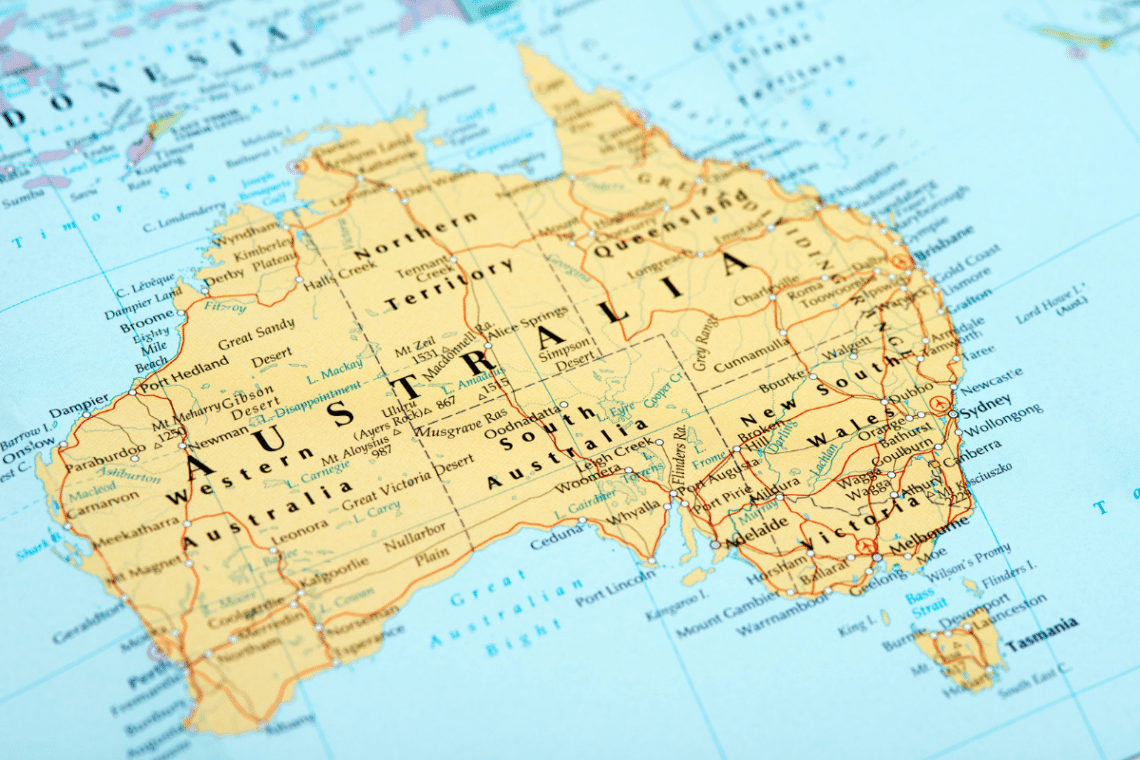
  • Australia: In 2023 thousands of millionaires are migrating to Australia from India and China

    Australia: In 2023 thousands of millionaires are migrating to Australia from India and China

    Source: theaustraliatoday.com.au

    Published: 15 June 2023

    Although the second-biggest loser globally, India’s net exit numbers are predicted to drop to 6,500 in 2023 compared to last year (7,500).

    The Henley Private Wealth Migration Report 2023 which tracks wealth and investment migration trends worldwide says Australia is expected to attract the highest net inflow of High Net Worth Individuals (HNWIs) in 2023 at 5,200.

    The United Arab Emirates is expected to drop into 2nd place following its record-breaking influx in 2022, it is still expected to enjoy an impressive net arrival of 4,500 new millionaires this year. Singapore ranks 3rd with a net inflow of 3,200 HNWIs, its highest on record, followed by the US with an expected net influx of 2,100 millionaires.

    Switzerland (net inflow of 1,800) and Canada (1,600) are in 5th and 6th place, respectively, with Greece (1,200), France (1,000 — double last year’s net intake of 500 millionaires), Portugal (800), and New Zealand (700) all making it onto this year’s Top 10 list for net HNWI inflows.

    Where are these millionaire migrants coming from

    As it has for the past decade, China continues to lose the largest number of dollar millionaires each year to migration. 

    Andrew Amoils, Head of Research at New World Wealth, explains that “general wealth growth in China has been slowing over the past few years, which means that the recent outflows could be more damaging than usual. China’s economy grew strongly from 2000 to 2017, but wealth and millionaire growth in the country has been negligible since then (when measured in US-dollar terms)”.

    Although the second-biggest loser globally, India’s net exit numbers are predicted to drop to 6,500 in 2023 compared to last year (7,500).

    Mr Amoils points out,

    “These outflows are not particularly concerning as India produces far more new millionaires than it loses to migration.”

    Commenting on the Report, Sunita Singh-Dalal, Partner, Private Wealth & Family Offices at Hourani adds that “prohibitive tax legislation coupled with convoluted, complex rules relating to outbound remittances that are open to misinterpretation and abuse, are but a few issues that have triggered the trend of investment migration from India”.

    The UK (3,200) and Russia (3000 ­vs 8,500 in 2022 following its invasion of Ukraine) sit in 3rd and 4th place respectively, with Brazil (1,200), Hong Kong (SAR China) (1,000 — less than half the actual net outflow in 2022), South Korea (800 — double the net outflow in 2022), Mexico (700), South Africa (500), and Japan (300 compared to last year’s net loss of 100) making up the rest of the Top 10 biggest millionaire losers forecast for 2023.

    Award-winning journalist and Rector of the Institute for Human Sciences in Vienna, Misha Glenny, says the lessons for those who hope to attract HNWIs are clear.

    “Political stability is the key metric for those selecting where they want to live, together with low taxation regimes and personal freedom. ”

    What are popular investment migration pathways?

    Portugal’s Golden Residence Permit Program remains the most popular overall in 2023, followed by Austria’s citizenship by investment offering and St. Kitts and Nevis’s Citizenship by Investment Program. Next is Canada’s Start-Up Visa Program, the fastest way for entrepreneurs and wealthy individuals to access Canadian residence and the North American market. Rising in popularity this year and last in the top five is Italy’s Residence by Investment Program, with Greece’s Golden Visa Program and Spain’s Residence by Investment Program hot on the heels of their Mediterranean counterpart.

    Dominic Volek, Group Head of Private Clients at Henley & Partners, says historically, many wealthy individuals acquired residence rights or citizenship without moving to those countries.

    “Recent and persistent turmoil has caused a shift — more investors are considering relocating their families for a range of reasons, from safety and security to education and healthcare, to climate change resilience and even crypto-friendliness.”

    “It is important to note that nine of the Top 10 countries for forecast net HNWI inflows in 2023 host formal residence-by-investment programs that encourage foreign direct investment in return for the right to reside, which can also lead to citizenship in some cases. Investors see the clear value of diversifying their domicile portfolios as the ultimate hedge against both regional and global volatility, now and in the future.”

  • St Kitts and Nevis: Michael Martin strives to make CBI programme of St Kitts and Nevis as top choice of HNWIs

    St Kitts and Nevis: Michael Martin strives to make CBI programme of St Kitts and Nevis as top choice of HNWIs

    Source: wicnews.com

    Published: 15 June 2023

    The head of the Citizenship by Investment Programme of St Kitts and Nevis, Michael Martin, is on the path to making the programme more efficient with his leadership skills and better agendas. He has built a strong foundation for business people and local citizens by enhancing the CBI programme so that it could be investors’ top choice.

    The head of the Citizenship by Investment Programme of St Kitts and Nevis, Michael Martin, is on the path to making the programme more efficient with his leadership skills and better agendas. He has built a strong foundation for business people and local citizens by enhancing the CBI programme so that it could be investors’ top choice.

    St Kitts and Nevis‘ CBI programme has always been considered the first and finest of all programmes worldwide, which is why HNWIs (High Net Worth Individuals) have always shown their trust in it as they look for opportunities that will boost their global impact. Also, local citizens want to build their future in a safe and secure environment. CIU head Martin ensures that only legal and trustworthy individuals enter the twin-island nation.

    The country offers several advantages under its CBI programme, including wealth planning, citizenship legacy, portfolio diversification, higher business opportunities, and more. It also helps to build sustainable and modern infrastructure benefitting all citizens.

    Michael Martin has always sought to execute innovative and wise plans for the growth of the Sustainable Growth Fund option of St Kitts and Nevis. He has positioned the SGF as a smart and extraordinary choice for discerning investors.

    As per Martin fund option is an ideal investment choice for investors looking for growth beyond the shores with the expansion of business opportunities. He has worked diligently to boost the sustainable growth fund and make it the future of sustainable investing for global investors.

    The unique plan launched by CIU head Michael Martin was the launch of a Limited Time Offer via which investors can get citizenship in St Kitts and Nevis in just 60 days with a minimum contribution of US$125,000 towards the fund option. LTO is a quick and efficient solution for investors as they will get better returns in exchange for exceptional investments.

    CIU Head has mainly focused on the goals to formulate a solution for the evolution of the citizenship by investment programme based on the sustainable model that is filled with integrity, transparency as well as accountability.

  • United States: Famous Americans Who Gave Up Their US Citizenship

    United States: Famous Americans Who Gave Up Their US Citizenship

    Source: 247wallst.com

    Published: 10 June 2023

    After the Supreme Court overturned the landmark abortion case of Roe v. Wade in June, Green Day lead singer Billie Joe Armstrong told London concertgoers that he was going to renounce his U.S. citizenship and move to England.

    Armstrong is just the latest example of famous Americans who declare that they are leaving the United States for political reasons. Though most get over their pique and stay here, some famous Americans have abandoned their citizenship, for a variety of reasons. (One might be simply that the U.S. is not considered to be among the countries with the most valuable passports.)

    24/7 Tempo has compiled a list of famous people who have renounced their American citizenship by reviewing sources including Tax-ExpatriationBritannica, and PBS.    

    After a record 6,705 Americans renounced their citizenship in 2020, the number dropped to 2,426 last year, though the lower number might be attributed to U.S. embassy closures amid the pandemic. According to a survey of U.S. expatriates in 121 countries from Greenback Expat Tax Services, about one in four American expats is “seriously considering” or “planning” to repudiate their U.S. citizenship. Critics of American tax law say U.S. global income tax compliance and disclosure laws are excessive and oppressive. (These are the countries with the most American expats.)

    Renunciation is time-consuming and expensive. In September 2015, the U.S. State Department raised the fee to renounce U.S. citizenship to $2,350 from $450 to try and deter Americans overseas from rejecting citizenship. 

    Tax avoidance is the main reason actor Yul Brynner, entrepreneur Eduardo Saverin, and inventor Earl Tupper abandoned U.S. citizenship. Author Henry James, film director John Huston, and Eugene O’Neill’s daughter, Oona, stood on political principles to turn down U.S. citizenship. Ascension to a royal title triggered the renouncement of U.S. citizenship for Prince Albert II of Monaco and socialite Betty Hutton. Dancer Josephine Baker so disdained racism in the U.S. that she became a French citizen.

  • Canada: Quebec Immigrant Investor Program Expected to Reopen with Stricter Criteria

    Canada: Quebec Immigrant Investor Program Expected to Reopen with Stricter Criteria

    Source: fragomen.com

    Published: 7 June 2023

    The government of Quebec has published proposed regulations which would overhaul all economic immigration programs in Quebec, including the Quebec Immigrant Investor Program (QIIP). They have also opened a 45-day public consultation period for interested parties to submit their comments on the proposed changes to the QIIP. The QIIP has been suspended since 2019 but is expected to reopen in early 2024 after the Cabinet analyzes public commentary and publishes final regulations. Among the proposed new requirements for applicants are: demonstrating French language proficiency (within the first two years of arriving in Quebec); having at least a secondary school diploma; residing in Quebec for a period of at least six months within the two-year period following their work permit issuance; and making a 5-year-term, risk-free investment of CAD 1 million with IQ Immigrants Investisseurs Inc. and a non-refundable financial contribution of CAD 200,000 to this company through a financial intermediary within 120 days of the acceptance decision. The QIIP remains the only business immigration program in Canada which does not require the applicant’s active involvement in the management of a Canadian business. Applicants must have a net worth of at least CAD 2 million and at least two years of management experience in the five years preceding the application. Applicants and their families are granted temporary stay in Canada for three years (which allows them to work and study in Quebec), after which they can apply for permanent residence in Canada. Fragomen will report on relevant developments.

  • United Kingdom: Immigration can help push down UK inflation, says IMF deputy

    United Kingdom: Immigration can help push down UK inflation, says IMF deputy

    Source: bbc.com

    Published: 6 June 2023

    Immigration that fills gaps in the domestic jobs market can help push down UK inflation, the deputy head of the International Monetary Fund has said.

    The prime minister has said rates of legal immigration are “too high”.

    Yet the IMF’s Gita Gopinath told BBC Newsnight that “with inflation as high as it is… there are benefits to having workers come in”.

    The government said the immigration system could “flex to the needs of the economy”.

    Net migration – the difference between the number of people entering the country and those leaving on a long-term basis – is at a record level in the UK, at 606,000 in 2022, according to the Office for National Statistics.

    Meanwhile, UK headline inflation fell to 8.7% year-on-year in April, but core inflation – which excludes volatile food and energy prices – rose to 6.8%, the highest in the G7.

    “In this context, with inflation as high as it is, having workers who can fill the shortages in some of the sectors that we’re seeing right now will help with bringing inflation down,” Ms Gopinath, the deputy managing director of the IMF, said.

    “So I think there are benefits to having workers come in.”

    The latest official statistics showed the UK still had more than one million vacancies in the three months to April 2023.

    The industries with the highest vacancy ratios were accommodation and food (5.5%), health and social work (4.5%) and professional scientific jobs (4%).

    Economists have identified the UK’s tight labour market, exacerbated by the impact of Brexit on flows of European Union workers and the impact of the Covid pandemic, as one of the main contributory factors to high domestic inflation.

    April’s higher-than-expected inflation rates led many to predict the Bank of England will raise interest rates higher than previously thought, from their current 4.5% to above 5%.

    But Ms Gopinath downplayed the idea that the UK has considerably worse core inflation than other developed economies.

    “I wouldn’t make a big difference between small differences in numbers in core inflation,” she said.

    Brexit effect

    Ms Gopinath also told Newsnight that the IMF stood by its 2018 forecast that Brexit would reduce the long-term growth potential of the UK economy by 2.5% to 4% of GDP, equivalent to £900 to £1,300 per person.

    “We put that estimate out around 2018 and we haven’t done an update since then for the reason that we’ve had the pandemic and that we’ve had many other shocks,” she said.

    “So just identifying how much is purely Brexit becomes much harder to do. But if you look at the more recent estimates by the Bank of England and others, this is in the ballpark.

    “Investment has been weaker since 2016, labour market flexibility has come down and the intensity of trade of the UK with the EU has come down. So all of these factors are in line with a weakening economy.”

    In a statement the Treasury said the UK had “moved away from the old model of unlimited, unskilled migration”.

    “We now have a points-based immigration system, giving the British people full control of the country’s borders, which is designed to flex to the needs of the economy to ensure we have the skills we need.

    “We want businesses to invest in our domestic workforce to fill labour shortages, but where there’s an acute need for staff, we have also been flexible, including putting care homes and the seafood industry on the shortage occupation list,” a spokesperson said.

  • Canada: Fmr Immigration Min Weiner Leads JIFORM Summit On Migration Investment

    Canada: Fmr Immigration Min Weiner Leads JIFORM Summit On Migration Investment

    Source: theheritagetimes.com

    Published: 4 June 2023

    Former Minister of Immigration, Citizenship, and Secretary of State of Canada, Hon Gerry Weiner will lead arrays of speakers at the 4th Journalists International Forum For Migration (JIFORM) Global Migration summit slated for Toronto, Canada between October 2-14.

    The hybrid summit to accommodate both virtual and physical participation would focus on Climate Change, Human Mobility, and Sustainable Investment with participants being drawn from the media, business community, migrant, immigration and judicial workers, government workers and other professionals.

    Declaring support for the summit, Weiner said he looked forward to receiving participants at the event adding that “I have been a participant at some of JIFORM events in recent times and this would not be an exception”.

    The JIFORM annual conference is targeted at capacity building and networking for journalists and various stakeholders on migration dynamics and issues.

    A statement by the President of the JIFORM, Dr Ajibola Abayomi confirmed that invitations had also been extended to the African Union Labour Migration Advisory Committee, Dr Princess Kabuki Asie Ocansey, United Nations Non-Governmental Organization, First Fridays Toronto and Canada- Africa Chamber of Business.

    Other invites are Professor Byron Price of the Medgars Evers College, City University, New York, USA; Ms Philomena Gnanapragasam, the Director, Asia-Pacific Institute for Broadcasting Development (AIBD) and Ms. Phelisa Nkomo from South Africa.

    JIFORM is a non-profit body comprising over 300 journalists and other volunteers across the continents covering migration matters.

    Since 2019, the organization has organized a series of local and international capacity-building for journalists and other stakeholders. In 2021, it initiated the annual African Migration Summit held in Ghana in partnership with Nekotech Center of Excellence, Accra, the West African Media Migration Summit in Lome Togo and held its 3rd Global Migration Summit in Toronto, Canada in October 2022.

    The body in collaboration with the City University, New York City, US between November 2-4, in Brooklyn hosted an intercontinental migration summit.

  • World: A new wave of mass migration has begun

    World: A new wave of mass migration has begun

    Source: economist.com

    Published: 28 May 2023

    Last year 1.2m people moved to Britain—almost certainly the most ever. Net migration (ie, immigrants minus emigrants) to Australia is currently twice the rate before the covid-19 pandemic. Spain’s equivalent figure recently hit an all-time high. Nearly 1.4m people on net are expected to move to America this year, one-third more than before the pandemic. In 2022 net migration to Canada was more than double the previous record. In Germany it was even higher than during the “migration crisis” of 2015. The rich world as a whole is in the middle of an unprecedented migration boom. Its foreign-born population is rising faster than at any point in history.

    What does this mean for the global economy? Not long ago it seemed as if many wealthy countries had turned decisively against mass migration. In 2016 Britons voted for Brexit and then Americans for Donald Trump—both political projects had a strong anti-migrant streak. In the global wave of populism that followed, politicians from Australia to Hungary promised to crack down on migration. Then covid closed borders. Migration came to a standstill, or even went into reverse, as people decided to return home. Between 2019 and 2021 the populations of Kuwait and Singapore, countries that typically receive lots of migrants, fell by 4%. In 2021 the number of emigrants from Australia exceeded the number of immigrants to the country for the first time since the 1940s.

    In some places the surge in migration has brought back a sense of normality. Singapore’s foreign workforce recently returned to its pre-pandemic level. In other places it feels like a drastic change. Consider Newfoundland and Labrador, Canada’s second-smallest province by population. Long home to people of Irish-Catholic descent—with accents to match—net migration to the province is running at more than 20 times the pre-pandemic norm. St John’s, the capital, once fairly homogeneous, feels more like Toronto every time you visit. Heart’s Delight, a small rural village, now has a Ukrainian bakery, Borsch. The provincial government is setting up an office in Bangalore to help recruit nurses.

    The new arrivals in Newfoundland are a microcosm of those elsewhere in the rich world. Many hundreds of Ukrainians have arrived on the island—a tiny share of the millions who have left the country since Russia invaded. Indians and Nigerians also appear to be on the move in large numbers. Many speak English. And many already have familial connections in richer countries, in particular Britain and Canada.

    Some of the surge in migration is because people are making up for lost time. Many migrants acquired visas in 2020 or 2021, but only made the trip once covid restrictions loosened. Yet the rich world’s foreign-born population—at well over 100m—is now above its pre-crisis trend, suggesting something else is going on.

    The nature of the post-pandemic economy is a big part of the explanation. Unemployment in the rich world, at 4.8%, has not been so low in decades. Bosses are desperate for staff, with vacancies near an all-time high. People from abroad thus have good reason to travel. Currency movements may be another factor. A British pound buys more than 100 Indian rupees, compared with 90 in 2019. Since the beginning of 2021 the average emerging-market currency has depreciated by about 4% against the dollar. This enables migrants to send more money home than before.

    Many governments are also trying to attract more people. Canada has an explicit target to welcome 1.5m new residents in 2023-25. Germany and India recently signed an agreement to allow more Indians to work and study in Germany. Australia is increasing the time period some students can work after graduating from two to four years. Britain has welcomed Hong Kongers looking to flee Chinese oppression—well over 100,000 have arrived. Many countries have made it easy for Ukrainians to enter. Even those countries hitherto hostile to migration, including Japan and South Korea, are looking more favourably on outsiders as they seek to counteract the impact of ageing populations.

    Economies that welcome lots of migrants tend to benefit in the long run. Just look at America. Foreign folk bring new ideas with them. In America immigrants are about 80% likelier than native-born folk to found a firm, according to a recent paper by Pierre Azoulay of the Massachusetts Institute of Technology and colleagues. Research suggests that migrants also help to build trading and investment links between their home country and the receiving one. A slug of young workers also helps generate more tax revenue.

    Your people shall be my people

    Some economists also hope that the wave of migration will have more immediate benefits. “High immigration is helpful for the Fed as it tries to cool down the labour market and slow down inflation,” says Torsten Slok of Apollo Global Management, an asset manager, expressing a common view. Such arguments may be a little too optimistic. Having more people does increase the supply of labour, which all else equal reduces wage growth. But the effect is pretty small. There is little sign that the countries receiving the most migrants have the loosest labour markets. In Canada, for instance, pay is still rising by about 5% year on year.

    Migrants also increase demand for goods and services, which can raise inflation. In Britain new arrivals appear to be pushing up rents in London, which already had a constrained supply of housing. A similar effect is noticeable in Australia. Estimates published by Goldman Sachs, a bank, imply that Australia’s current annualised net migration rate of 500,000 people is raising rents by around 5%. Higher rents feed into a higher overall consumer-price index. Demand from migrants may also explain why, despite higher mortgage rates, house prices in many rich countries have not fallen by much.

    Over the next year or so migration may come down a bit. The post-pandemic “catch-up” will end; rich-world labour markets are slowly loosening. Yet there is reason to believe that historically high levels of new arrivals will remain raised for some time. More welcoming government policy is one factor. More important, migration today begets migration tomorrow, as new arrivals bring over children and partners. Before long the rich world’s anti-immigrant turn of the late 2010s will seem like an aberration. 

  • Grenada: IMF Mission to Grenada Concluding Statement of the 2023 Article IV Mission

    Grenada: IMF Mission to Grenada Concluding Statement of the 2023 Article IV Mission

    Source: imf.org

    Published: 26 May 2023

    Grenada is navigating the recovery from the twin shocks of the pandemic and a rise in energy and food prices. The authorities’ decisive policy response—supported by the policy space that was created from past fiscal prudence—provided space to cushion the impact of these shocks. As the recovery takes hold, the immediate policy priorities are to return to the fiscal rules to preserve credibility and to deepen structural reforms to promote robust, inclusive, and sustainable growth. Enhancing the fiscal framework and increasing public expenditure efficiency will help create fiscal buffers against future shocks and make space for the country’s development and resilience building needs. Measures to increase competitiveness, such as promoting gender equality, investing in skills development, and expanding digitalization, would help boost economic growth.

    The economic recovery is taking hold. Real GDP is estimated to have expanded by 6.4 percent in 2022. Tourism activity has rebounded strongly, with stay-over tourist arrivals reaching 80 percent of their pre-crisis levels, and private and public construction projects also contributed to the growth. There was a sharp fall in agricultural production, however, largely due to adverse weather. Inflation rose modestly to 2.6 percent on average in 2022 despite the surge in global food and energy prices, as the authorities’ policy response, such as the temporary removal of the petrol tax and of the VAT on basic food items, helped dampen the inflation pressure from higher global prices. The fiscal balance excluding interest payments is estimated to have maintained a surplus of 2.6 percent of GDP, while central government and government guaranteed debt declined to 64.6 percent of GDP in 2022. The real economy is projected to continue expanding in 2023, but at a slower pace of 3.9 percent as the tourism recovery matures and public investment scales back from a very high level.

    Important near-term downside risks remain. A key downside risk to the outlook is an economic slowdown of key tourist source markets such as the U.S. and the U.K., especially if global inflation remains high and global financial conditions continue tightening. High import costs for construction materials could weigh on activity in the sector, while a renewed upswing in commodity prices would drag on growth and weaken the fiscal position. Grenada also remains highly vulnerable to natural disasters. Upside risks include stronger-than-expected tourism activity, larger domestic spillovers from public investment projects, the implementation of reforms to improve competitiveness, and an accelerated transition to renewable energy.

    Enhancing the Fiscal Framework

    Supporting the vulnerable more effectively and efficiently. Fiscal relief measures have helped mitigate the impact of rising living costs on households. As the initial food and fuel price spike dissipates and the economy continues to recover, price controls on petroleum products and the reduction in the petroleum tax should be rolled back gradually. Continued focus must be on improving the effectiveness and targeting of social assistance programs. This can include improving the determination of eligibility, strengthening the central beneficiary management system, and moving to cashless payments. Any saving as a result should be used to increase transfers to the vulnerable.

    Upgrading the fiscal framework. The 2023 budget appropriately commits to returning to the fiscal rules to preserve the hard-earned credibility. Maintaining the framework’s current focus on debt reduction will continue to underpin debt sustainability. The planned amendment of the Fiscal Responsibility Framework should simplify the fiscal rules and make the medium‑term fiscal framework more effective as a forward guidance to the annual budget exercises. To enhance the oversight of the government’s fiscal management, the Fiscal Responsibility Oversight Committee can carry out additional tasks such as evaluating the government’s macroeconomic assumptions and providing assessments of fiscal risks. Greater clarity is needed for how fast debt should return to the medium-term path following a shock.

    Making the government more efficient. The efficiency of the tax system can be improved through an update to the tax incentive framework and increased risk-based internal auditing of the customs administration. Public investment management should be strengthened to increase the efficiency of public spending. The focus should be on improving the implementation rate of projects, increasing project oversight, and strengthening the transparency and accountability of the procurement system.

    Improving the sustainability of public finances. Reforms to the National Insurance Scheme through phased increases in the contributory rate and pensionable age will help improve its financial position and should be implemented robustly. There is an urgent need to establish one new pension scheme—that ensures the sustainability of the pension system—for new entrants to the public service. The ongoing regularization of public sector workers should be guided by a thorough review of job functionality. A comprehensive wage review is needed to ensure the wage grid reflects current labor market conditions.

    Safeguarding Financial Stability

    Financial stability risks are moderate amid the tightening of global financial conditions. Bank loans remain sluggish, due to the scarcity of profitable projects and lingering economic uncertainty. Asset quality has deteriorated because of the hardship from the pandemic, notably in credit unions whose nonperforming loans have risen to 8.4 percent of total loans. While banks have recognized more than 60 percent of their nonperforming loans, credit unions have done much less. The level of liquid assets (relative to total assets) remains high in banks but has declined somewhat among credit unions.

    The regulation and supervision of credit unions should be strengthened. Despite being smaller than banks in asset size, credit unions have grown rapidly and are critical to financial inclusion. The recent increase in nonperforming loans necessitates credit unions to recognize loan losses, devise a strategy to reduce legacy nonperforming loans, and bolster their risk management practices. Achieving an effective risk-based and forward-looking supervisory approach by GARFIN, the regulator for nonbank financial institutions, would boost confidence in the soundness of credit unions and allow for risks to be detected and addressed at an early stage. Such an approach requires more granular information, better analytical capacity, and well-designed stress testing.

    Efforts are needed to improve the financial intermediation. The financial literacy of the public can be increased through school curricula and community outreach. Financial institutions should be encouraged to leverage the regional credit bureau, once it comes into operation, that will help them know better the credit history of their borrowers. To facilitate smaller firms’ access to finance, training can be provided on developing a business plan and preparing financial statements. The authorities should continue strengthening the anti-money laundering/combating the financing of terrorism (AML/CFT) framework and the vetting and approval process used for the Citizenship-by-Investment program.

    Enhancing Competitiveness and Building Resilience

    Grenada should increase the domestic value-added of tourism, promote gender equality, and improve labor skills. Strengthening linkages with agriculture and fisheries will help increase the domestic value-added of tourism. Measures to boost agricultural productivity and build resilience to adverse weather events will be critical to securing future production. Efforts are needed to expand digitalization, address the identified gender gaps, and incentivize female labor force participation. Training and apprenticeship programs should focus on increasing technical and entrepreneurial skills, better integrating academic institutions and employers, as well as facilitating the transition to employment.

    The resolute implementation of Grenada’s Disaster Resilience Strategy should remain a key priority. The government has made progress in the implementation of the Strategy. Regulations should be updated following the recent approval of the National Disaster Management Bill (2023), which can improve policy response to disasters and strengthen the technical and operational capacity of the National Disaster Management Agency.

    Grenada can reduce its carbon emissions and strengthen its external position by transitioning to renewables and investing in energy conservation. The smooth absorption of renewable energy can be assisted by the recently approved National Energy Policy and Grenada Electricity Sector Grid Code. Continued improvement of the regulatory environment will help incentivize and accelerate investments in renewables and climate adaptation. Concessional financing from multilaterals and climate funds can help catalyze private financing for these investments. Greater awareness building about the environmental impact of drilling for geothermal generation would help foster public support and attract private capital.

    Data Issues

    Continued improvement of data collection would support evidence-based policymaking. The publication of the 2022 census and the resumption of the labor force survey will help the assessment of social and economic development. Transparency should be enhanced by the timely publication of public sector and SOE audited financial statements as well as CBI flows and their usage. The collection and dissemination of high frequency indicators would improve the accurate recording of data. Institutional strengthening of the Central Statistics Office (including appointing a new Director) should be a priority.

    ****

    The IMF mission team thanks the Grenadian authorities and other counterparts for their warm hospitality and constructive discussions.

Pin It on Pinterest

Skip to content