Category: News

  • Portugal: Golden Visas end, curtails Airbnb rentals to address housing crisis

    Portugal: Golden Visas end, curtails Airbnb rentals to address housing crisis

    Source: reuters.com

    Published: 17 February 2023

    Portugal announced on Thursday a hefty package of measures to tackle a housing crisis, including the end of its controversial “Golden Visa” scheme and a ban on new licenses for Airbnbs and other short-term holiday rentals.

    Rents and house prices have skyrocketed in Portugal, which is among the poorest countries in Western Europe. Last year, more than 50% of workers earned less than 1,000 euros per month while in Lisbon alone, rents jumped 37% in 2022.

    Low salaries, a red-hot property market, policies encouraging wealthy foreigners to invest and a tourism-dependent economy have for years made it hard for locals to rent or buy, housing groups have said. Portugal’s 8.3% inflation rate has exacerbated the problem.

    Prime Minister Antonio Costa said the crisis was now affecting all families, not just the most vulnerable.

    It is not clear when the measures, worth at least 900 million euros ($962.19 million), will come into effect. Costa said some would be approved next month and others will be voted on by lawmakers.

    A mechanism would be introduced to regulate rent increases, he added, and the government will offer tax incentives to landlords who convert tourism properties into houses for locals to rent.

    Left Bloc party MP Mariana Mortagua criticised the measures, saying the government was giving tax breaks to landlords who have already “benefited from (housing) speculation”.

    New licenses for tourism accommodations, such as Airbnbs, will be prohibited – except in less populated rural areas.

    The Social Democrats said the measures were an “attack” on the rights of property owners and businesses.

    To address the housing shortage, Costa said the state would rent vacant houses direct from landlords for a period of five years and put them on the rental market.

    Portugal will end its golden visa programme, which offers EU passports to non-EU nationals in return for investments including in real estate and has been criticised for boosting house prices and rents.

    The scheme attracted 6.8 billion euros in investment since its launch in 2012, with the bulk of the money going into real estate.

    Housing groups said the measures would mean little if the government continued to promote other policies to attract wealthy foreigners to Portugal, such as the “Digital Nomads Visa” introduced in October, which gives foreigners with high monthly income from remote work to live and work from Portugal without paying local taxes.

    At a small housing protest in Lisbon, 23-year-old activist Andreia Galvao accused the government of failing to live up to promises it made to address the housing crisis in the past.

    “The goal was that by 2024 all Portuguese would have access to quality housing – it doesn’t look like that will happen,” she said. “The situation is dramatic.”

    The “Housing is a right” group said the measures do not change the “system in place” in which large real estate investment funds control a significant chunk of the market.

    “For the vast majority of people, rents will remain unaffordable and buying a house will continue to be a dream,” it said.

  • Ireland: ‘Golden visa’ programme to be scrapped

    Ireland: ‘Golden visa’ programme to be scrapped

    Source: bbc.com

    Published: 14 February 2023

    A programme offering a visa to non-EU nationals, in return for investment in the Republic of Ireland, is to be scrapped.

    Applications will no longer be accepted under the Immigrant Investor Programme (IIP) from Wednesday.

    Established in 2012, it offers Irish residence in return for creating jobs.

    Ireland’s Minister for Justice Simon Harris said the scheme had been under review for “quite a period of time”.

    He made the decision having been informed by reports from international bodies and internal and external reviews, he said.

    So-called “golden visas” are offered to wealthy people from outside the European Economic Community (EEC) in return for investment.

    Applicants to the Irish programme were required to have a personal wealth of at least €2m (£1.7m).

    A similar scheme for foreign investors in the UK ended last year.

    ‘Stimulate investment’

    The IIP required applicants to invest a minimum of €1m (£880,000) for at least three years.

    Alternatively, they could offer €500,000 (£440,000) as part of an endowment, or €400,000 (£350,000) as part of a joint endowment to a project which is of public benefit to the arts, sports, health, culture or education in the Republic of Ireland.

    The funds used for an investment had to be from the applicant’s own resources.

    A large number of submissions to the programme came from China, according to RTÉ., external

    Mr Harris said the programme was established during a time of “unprecedented economic difficulty” to help “stimulate investment in Ireland”.

    Approximately 1,500 applications currently on hand will continue to be considered and projects that have already been approved under the programme will not be affected.

    The Irish government also operates the Start-up Entrepreneur Programme (STEP) which was established in 2012, as a way for entrepreneurs with an innovative idea to apply for a residence permission in Ireland.

    This programme will continue, it said.

  • Antigua & Barbuda: Renowned filmmaker could invest millions in Antigua and Barbuda if CIP unit approves

    Antigua & Barbuda: Renowned filmmaker could invest millions in Antigua and Barbuda if CIP unit approves

    Source: antiguaobserver.com

    Published: 13 February 2023

    Antigua and Barbuda could benefit from a multi-million-dollar joint venture between renowned filmmaker Philippe Martinez and Apex Capital Partners, an advisory firm specialising in Citizenship by Investment (CIP).

    Martinez, who owns MSR Media, anticipates that his company can invest about US$30 million in the Antiguan and Barbudan economy, as he seeks to embark on a project to produce films in the twin-island State.

    The Cabinet announced last week that it had met with Martinez and Nuri Katz from Apex who demonstrated how the making of movies in Antigua and Barbuda could benefit residents.

    In an interview with Observer media on Sunday, Martinez, who is the largest cash investor in St Kitts and Nevis over the past two years, said he wants to bring that kind of prosperity to Antigua and Barbuda, but must be given the leeway to do so by the CIP Unit here.

    MSR Media will work jointly with Nuri Katz of Apex Capital Partners to realise that goal.

    I would say that, at least for the first year, we anticipate to invest over US$30 million before we start selling. This is why we have a joint venture with Apex Capital Partners. They are the ones that will handle the relationship with the CIU. My job really is to produce films,” Martinez said.

    Over the past two years, MSR filmed nine productions in St Kitts and Nevis, employing over 200 nationals with much higher rates of pay than they earned in their regular jobs. MSR also bought a hotel in St Kitts and Nevis.

     “The good thing about the movie business is that we create jobs right away. It is not like in certain industries…once we decide that we are going ahead, within a couple of months, we create 200 jobs. Our local staff in St Kitts, we pay them minimum US$700 a week, and we train them. When we arrived two years ago, none of them were involved in film before…now seventy-five percent of the film crew is composed of residents of St Kitts and Nevis. The intention is to strengthen the St Kitts and Nevis venture and expand to Antigua and Barbuda because of the demand for movies that need to be shot in the Caribbean he said.

    “The thing in the Caribbean is that you have the ability to help projects to get off the ground through the CBI program, but I’ve seen also in other parts of the Caribbean that you don’t seem to attract investors that come and make the investment first. But in our case, it’s different. We finance way before we hope to recoup at a later stage through the citizenship program,” he explained.

    Martinez said the government is excited about the proposed venture which he says would be an added boost to the country’s tourism sector. 

    Martinez has produced several movies including Wake of Death, A Week in Paradise, Father Christmas is Back, Mister Mayfair, and Assailant.

  • Argentina: Pregnant Russian women flying to Argentina for citizenship, officials say

    Argentina: Pregnant Russian women flying to Argentina for citizenship, officials say

    Source: bbc.com

    Published: 12 February 2023

    More than 5,000 pregnant Russian women have entered Argentina in recent months, including 33 on a single flight on Thursday, officials say.

    The latest arrivals were all in the final weeks of pregnancy, according to the national migration agency.

    It is believed the women want to make sure their babies are born in Argentina to obtain Argentinian citizenship.

    The number of arrivals has increased recently, which local media suggests is a result of the war in Ukraine.

    Of the 33 women who arrived in the Argentinian capital on one flight on Thursday, three were detained because of “problems with their documentation”, joining three more who arrived the previous day, migration agency head Florencia Carignano told La Nacion.

    The Russian women had initially claimed they were visiting Argentina as tourists, she said.

    “In these cases it was detected that they did not come here to engage in tourism activities. They acknowledged it themselves.”

    She said the Russian women wanted their children to have Argentinian citizenship because it gave more freedom than a Russian passport.

    “The problem is that they come to Argentina, sign up their children as Argentinean and leave. Our passport is very secure across the world. It allows [passport-holders] to enter 171 countries visa-free,” Ms Carignano said.

    Having an Argentine child also speeds up the citizenship process for parents. As it stands, Russians can travel visa-free to only 87 countries.

    Travel to many Western countries has become more difficult for Russians since their country invaded Ukraine last February.

    Last September, the visa facilitation agreement between the EU and Russia was suspended, resulting in the need for additional documentation, increased processing times and more restrictive rules for the issuing of visas.

    A number of countries have also suspended tourist visas for Russians, including all EU member states that border Russia.

    A lawyer for the three women who were detained on Thursday said that they are being “falsely imprisoned”, as they are being held on suspicion of being “false tourists”. This is a term “which does not exist in our legislation,” Christian Rubilar said.

    “These women who didn’t commit a crime, who didn’t break any migratory law, are being illegally deprived of their freedom,” he added.

    The women have since been released.

    La Nacion attributed the dramatic uptick in arrivals of Russian citizens to the war in Ukraine, saying that “besides fleeing war and their country’s health service, [Russian women] are attracted by their [right of] visa-free entry to Argentina, as well as by the high-quality medicine and variety of hospitals”.

    “Birth tourism” by Russian citizens to Argentina appears to be a lucrative and well-established practice.

    A Russian-language website seen by the BBC offers various packages for expecting mothers who wish to give birth in Argentina. The website advertises services such as personalised birth plans, airport pick-ups, Spanish lessons and discounts on the cost of stays in “the best hospitals in the Argentinian capital”.

    The packages range from “economy class”, starting at $5,000 (£4,144), to “first class”, starting at $15,000 (£12,433).

    The website says its founder has been facilitating birth tourism and offering migration support since 2015, and the company says it is “100% Argentinian”.

    On Saturday, La Nacion reported that Argentinian police has been carrying out raids as part of an investigation into a “million-dollar business and illicit network” that allegedly provided pregnant Russian women and their partners with fake documents issued in record time to allow them to settle in Argentina.

    Police said the gang charged up to $35,000 (£29,011) for the service.

    No arrests were made, but police were said to have seized laptops and tablets as well as immigration papers and significant quantities of cash.

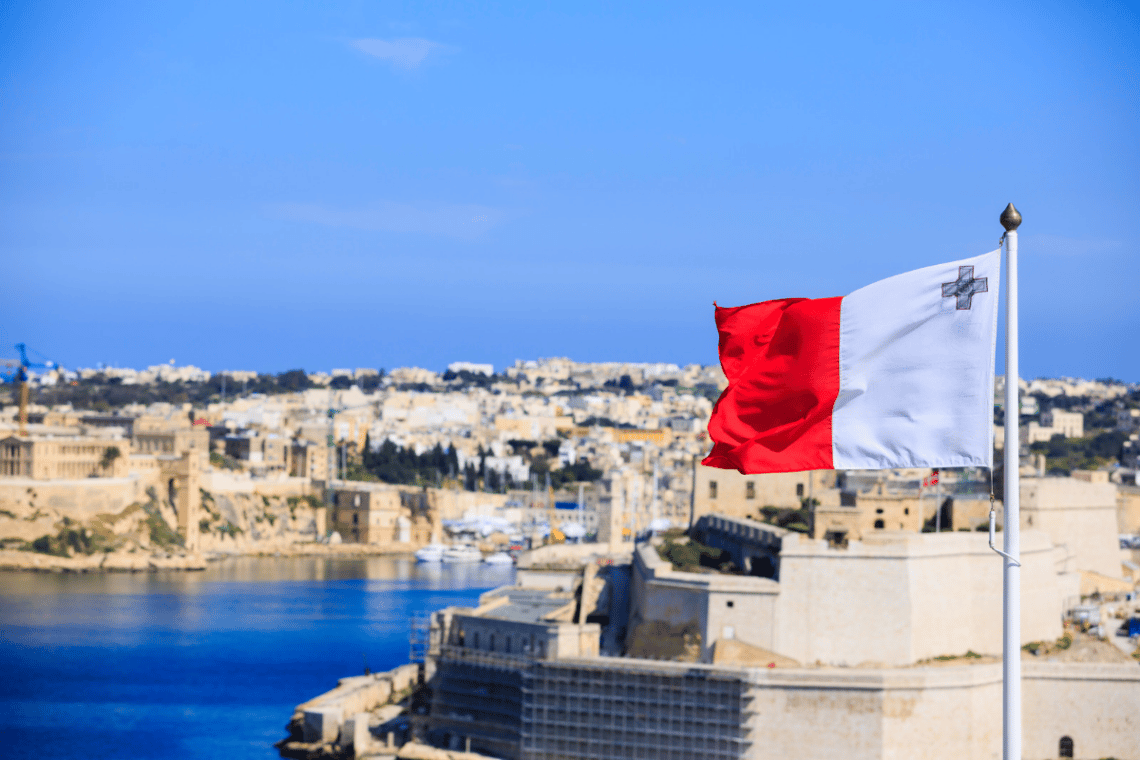
  • Malta: IMF Executive Board Concludes 2022 Article IV Consultation with Malta

    Malta: IMF Executive Board Concludes 2022 Article IV Consultation with Malta

    Source: imf.org

    Published: 8 February 2023

    The Executive Board of the International Monetary Fund (IMF) concluded the Article IV consultation [1] with Malta on February 2, 2023 and endorsed the staff appraisal without a meeting.

    Malta’s economy has recovered strongly following the worst recession in decades due to the COVID-19 pandemic. With the easing of pandemic containment measures, output grew by 11¾ percent in 2021. The economy has continued to expand for the first three quarters of 2022, driven by strong net exports and private consumption, and staff expect growth of 6½ percent in 2022. Inflation has picked up but has remained among the lowest in the euro area, reflecting the government’s policy to freeze retail electricity and fuel prices for all consumers.

    GDP growth is expected to slow to 3¼ percent in 2023 due to lower consumer purchasing power, dampening domestic demand and weakening external demand from Europe. Inflation is expected to gradually decline but remain elevated. Uncertainty is exceptionally high, and risks are tilted to the downside, including a deeper-than-expected recession in Europe, a possible de-anchoring of inflation expectations, and the realization of money laundering and terrorist financing risks. On the upside, lower-than-expected commodity prices would lead to stronger growth than forecast.

    Executive Board Assessment [2]

    In concluding the 2022 Article IV consultation with Malta, Executive Directors endorsed staff’s appraisal, as follows:

    Malta’s economic recovery from the pandemic is remarkable, but the indirect impact of Russia’s war in Ukraine weighs on the outlook. The strong economic recovery continued into 2022, driven by high net exports and consumption. GDP growth is, however, set to slow in 2023 as the confluence of global shocks weighs on the economy. Inflation is expected to gradually decline but remain elevated. Risks to the outlook are tilted to the downside, mainly because the growth slowdown in Europe could be deeper than expected.

    The authorities should prepare an exit strategy from the fixed-energy-price policy while protecting vulnerable groups. The exit strategy should aim to contain fiscal costs and introduce market price mechanisms to enhance incentives for energy conservation and help accelerate the green transition while protecting vulnerable groups. The authorities should explore reform options with the aim of gradually rolling them out ahead of winter 2023/24. Ultimately, accelerating the green transition is the best way to strengthen Malta’s resilience to an energy shock.

    The fiscal tightening planned for 2023 is appropriate, given the need to slow inflation and improve the public finances, but additional actions are needed to pursue consolidation over the medium term. While public debt is projected to remain just below 60 percent of GDP, it could be forced on an upward path if growth underperforms or contingent liabilities materialize. To protect against this risk, the authorities need additional measures to mobilize revenues and enhance spending efficiency over the medium term. In light of Pillar II of the global corporate tax reform, the authorities need to reform the taxation of multinational firms and consider broader reforms to the tax system and to revenue administration with the aim of simplifying and improving the efficiency of the tax system and reducing administration and compliance costs while protecting revenues. Efforts aimed at identifying the scope for rationalizing recurrent spending should continue, while further steps should be taken to improve the efficiency of public investment, including green investments. Long-term demographic trends should be closely monitored to properly plan pension-related reforms, and efforts should continue to promote voluntary occupational pensions and personal pensions.

    The financial system remains sound, but emerging risks warrant continued vigilance and close monitoring of banks. The authorities should closely monitor banks’ risk management to ensure that provisions are continuously updated as economic prospects change. Given the banking sector’s large exposure to the housing market, the consideration of introducing a sectoral systemic capital risk buffer targeting mortgage loans is warranted. In addition, efforts to monitor cyber security risks and strengthen resilience against cyberattacks should continue.

    The authorities should continue efforts to strengthen the effectiveness of the AML/CFT framework. The boosted resources for AML/CFT supervisors should remain in place to help the long-term sustainability of reforms. Notwithstanding the progress Malta has made, the authorities need to continue to demonstrate the effectiveness of supervisory outcomes, including through the effective implementation of sanctions. The implementation of the national AML/CFT strategy for 2021–2023, as well as the NRA exercise, is important to enhance coordination and supervision to mitigate existing and emerging risks. The close monitoring of high-risk sectors, especially virtual financial assets, gaming, and sectors associated with Malta’s Citizenship by Investment program, should also continue.Structural reforms are necessary to improve Malta’s long-term growth and address climate challenges. Malta’s Recovery and Resilience Plan will address part of its structural challenges, but more efforts will be needed, especially to address labor skill mismatches, increase STEM graduates, enhance vocational training, promote research and innovation, and advance the digital transformation of SMEs. Labor force participation should also be fostered through incentives for workers to delay retirement and flexible working solutions to address structural labor shortages. On climate change policy, concerted efforts involving all stakeholders should continue to implement the 2021 Low Carbon Development Strategy and seek decarbonization potential by exploiting various sources, including investing in renewable sources.


    [1] Under Article IV of the IMF’s Articles of Agreement, the IMF holds bilateral discussions with members, usually every year. A staff team visits the country, collects economic and financial information, and discusses with officials the country’s economic developments and policies. On return to headquarters, the staff prepares a report, which forms the basis for discussion by the Executive Board.

    [2] Management has determined it meets the established criteria as set out in Board Decision No. 15207 (12/74); (i) there are no acute or significant risks, or general policy issues requiring a Board discussion; (ii) policies or circumstances are unlikely to have significant regional or global impact in the near term; and (iii) the use of Fund resources is not under discussion or anticipated.

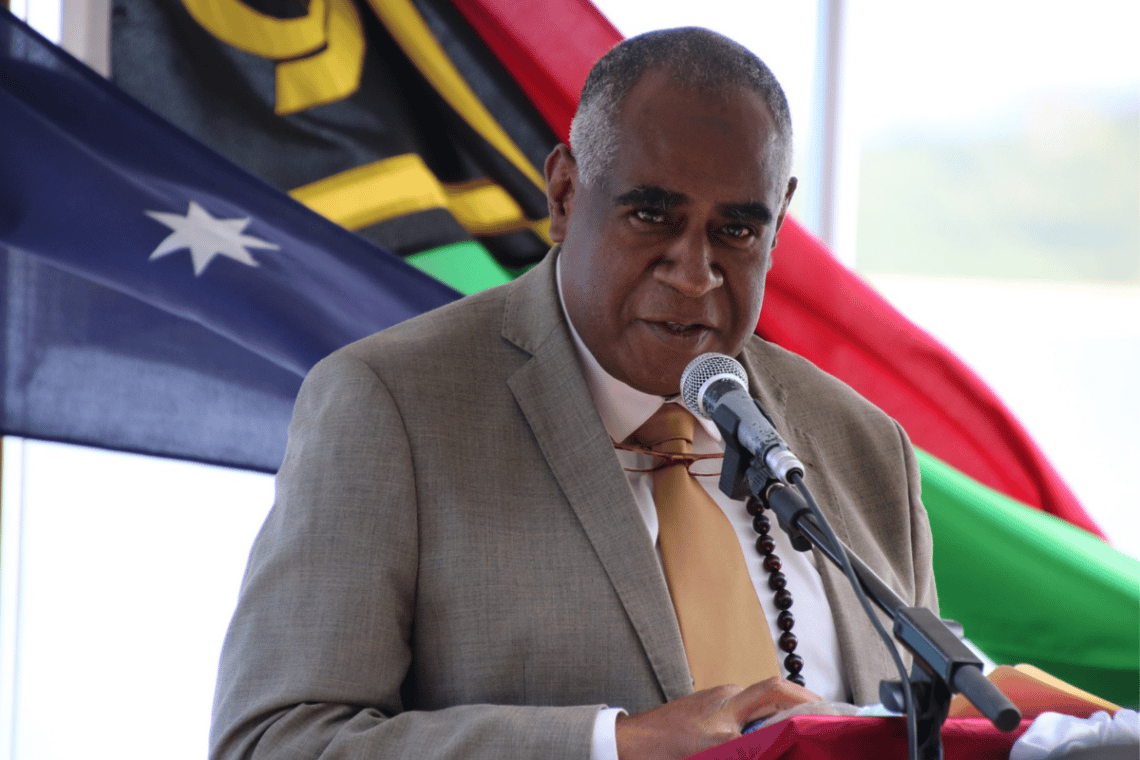
  • Vanuatu: EU allows 18 months extension to Vanuatu

    Vanuatu: EU allows 18 months extension to Vanuatu

    Source: islandbusiness.com

    Published: 1 February 2023

    The European Union (EU) has given a further 18 months’ extension to allow time for the Vanuatu Government to complete reforming its Citizenship Programme.

    This follows a letter from Prime Minister Ishmael Kalsakau seeking a six months’ extension. The 18 months’ extension will end on the 3rd of August 2024.

    The EU Council made this decision on 01 December 2022 after having received a letter dated 25 November 2022, from Prime Minister Ishmael Kalsakau. In December 2022, PM Kalsakau led a delegation to the EU and laid out plans his government has embarked upon in reforming the Vanuatu Citizenship programme.

    The EU will continue to work closely with the established committee through virtual meetings so they get first-hand information on progress made on the ground.

    According to Public Relations Officer Joe Harry, virtual meetings will be held between the technical committee with Vanuatu’s Ambassador based in Brussels, George Maniuri, to prepare the team for a further meeting with the EU on 15 February, 2023.

    At the beginning of 2022, the European Commission proposed the partial suspension of the application of the agreement with the Republic of Vanuatu, allowing citizens of Vanuatu to travel to the EU without a visa for stays of up to 90 days in any 180-day period.

    Later in March 2022, the Council of the EU partially suspended the visa waiver agreement with Vanuatu, explaining in a statement their decision announced was due to risks posed by its investor citizenship schemes.

    The suspension concerns only citizens of Vanuatu holding ordinary passports issued since 25 May 2015, when these Vanuatu investment citizenship schemes entered into force. EU Council initially announced that a full suspension will come into effect on 14 February 2023.

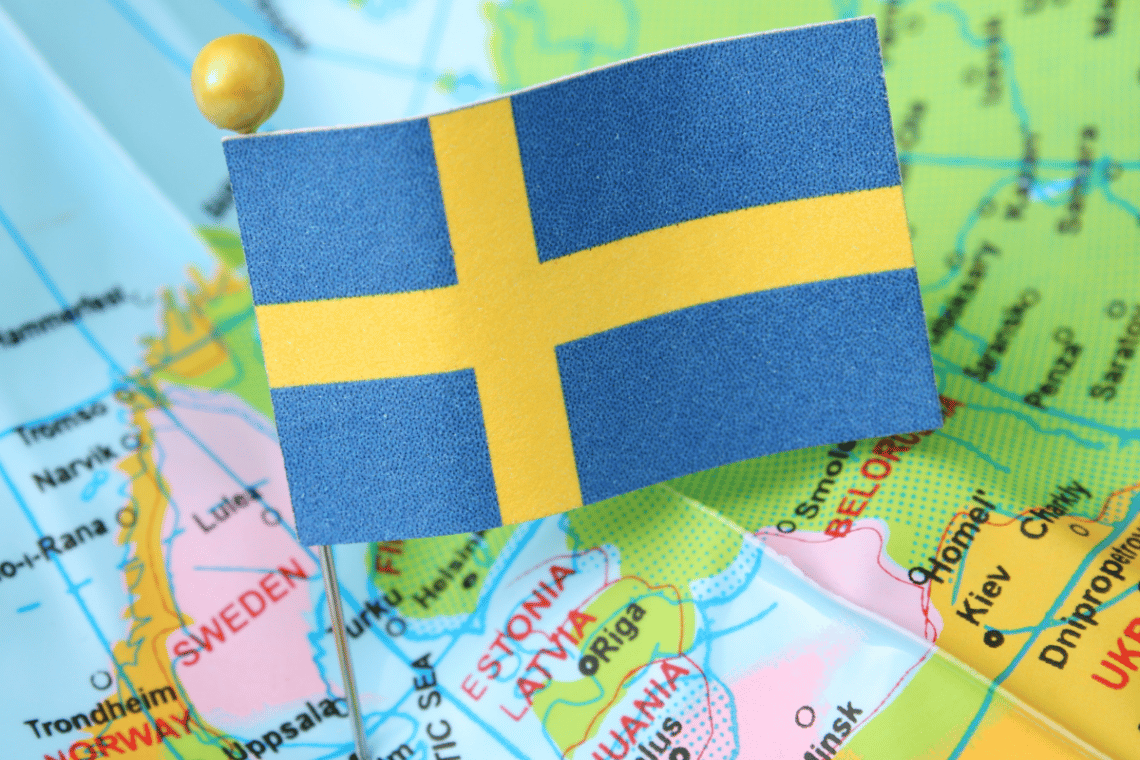
  • Sweden: Sweden launches global campaign against migration

    Sweden: Sweden launches global campaign against migration

    Source: euractiv.com

    Published: 25 January 2023

    Sweden, which currently holds the rotating EU Presidency, will launch an awareness campaign to discourage migrants from coming to the country, Migration Minister Maria Malmer Stenergard and far-right Sweden Democrat leader in parliament Henrik Vinge said at a press conference.

    As part of its intention to reduce immigration to Sweden, the government, supported by the far-right Sweden Democrats (SD), stated that the country needed to invest more in information efforts abroad.

    The campaign will include targeted communication to foreign editorial offices and news agencies as well as to foreign embassies in Sweden.

    “This government was elected, among other things, on a mandate to create a paradigm shift in migration policy. This requires many major changes”, said Stenergard at the press conference.

    As a result of the elections in September, the centre-right Moderate party, the Christian Democrats and the Liberal party formed a coalition government supported by the far-right SD, which scored a historical 20%. The far-right party was left out of the government in exchange for getting large parts of its hard-line migration policy through.

    “The Swedish government has this agreement now [with the far-right], and it has to honour it. Because otherwise, the Sweden Democrats will basically make the government fall. They are like hostages,” Karlstad University Professor Tobias Hübinette told EURACTIV last December.

    According to Stenergard, better information could prevent people without protection from coming to Sweden and reduce the suffering migrants face.

    “Today, two-thirds of those who come to Europe have no grounds for protection. They put their lives in the hands of refugee smugglers and will still be allowed to return. If they are informed about the rules, we reduce the risk of suffering for these people,” Malmer Stenergard added.

    According to her, more information will help dispel how the world views Sweden as a country offering generous benefits.

    “People are often well informed and there is a reason why 163,000 people travelled across Europe to little cold Sweden in the north in 2015. It was because they knew there were more generous regulations,” she said.

    The country of 10 million saw an average of 121,000 immigrants arrive each year since 2016, with 20% of the population born abroad in 2021, according to the Office of Statistics.

  • Canada: Migrants call on Trudeau to fulfil his promise to regularize the undocumented

    Canada: Migrants call on Trudeau to fulfil his promise to regularize the undocumented

    Source: newcanadianmedia.ca

    Published: 22 January 2023

    Migrant Rights Network says there are over 500,000 undocumented migrants due to a lack of access to permanent residency.

    Refugees, undocumented migrants, international students and caregivers will rally Monday outside the federal government’s winter retreat in Hamilton.

    Organized by the Migrant Rights Network (MRN), demonstrators want a national immigration regularization program for the 500,000 undocumented migrants in Canada.

    “Enough is enough. We do not want migrants to be detained or to die in immigration prisons,” said Byron Cruz, one of the rally organizers. Advocates say that precarious immigration status leaves immigrants in vulnerable situations that can lead to labour exploitation or put their lives at risk. MRN highlights an unnamed, undocumented migrant who died in immigration custody in Surrey, B.C. on Christmas Day, as well as Fritznel Richard, who died in Quebec a few days later while crossing the border back to the U.S. after being unable to get a work permit in Canada.

    “By allowing us permanent resident status, the cycle of job exploitation ends,” said Abu Hena Mostofa Kamal, an international student from Bangladesh who lost his status after paying close to $90,000 in tuition over three years to a Thunder Bay university.

    “When we can’t pay the exorbitant tuition fees, we get punished,” stated Kamal, who is stuck in limbo with a working permit in one hand and a removal order in the other.

    In an interview with New Canadian Media, the former computer science student who is now working in a restaurant said that the immigration system “is designed to keep us permanently temporary.

    “The precarious immigration status keeps us in a limbo. It doesn’t let us unleash our full potential and we suffer from mental health, can’t get reunited with our family and it puts our lives on hold.”

    According to the migrant rights group, at least 1.2 million people are in Canada on temporary work, study or refugee claimant permits. Those in low-paying jobs, in particular, have no access to permanent residency so eventually, they are forced to either leave or stay in the country undocumented. As a result, they say there are over 500,000 undocumented people in the country.

    Immigration Minister Sean Fraser announced on Friday the government is expanding a permanent residence pilot program for out-of-status construction workers in the Great Toronto Area.

    “This will give 500 racialized, working class people the power to protect themselves and be with their families,” said Syed Hussan, Executive Director of Migrant Workers Alliance for Change, and added, “we need a regularization program for the 499,500 undocumented migrants and their families, and 1.2 million migrants on temporary status that are being shut out of equal rights.”

    At their rally in Hamilton, migrants’ advocates will call on Prime Minister Trudeau and federal cabinet ministers to fulfill their promise to regularize status for undocumented workers, as stated in the December 2021’s mandate letter to the Immigration minister.

    “We will be outside the cabinet retreat chanting and doing speeches with signs. We have let the Prime Minister and Immigration Minister’s offices know that we will be there,” Hussan told NCM.

    He said the federal government “can grant permanent resident status to half a million undocumented people and their families through an uncapped program without any exclusions.”

    In their proposal for regularization, MRN calls for a “first-stage processing of work permits that should be automatically renewed until the application is fully processed.” The ongoing federal pilot program for regularization requires a minimum of five years living in Canada; the MRN proposal asks for no more than two years.  

    Canada is losing an essential worker

    In the last 14 years, Gloria Hernandez has worked as a cleaner and during the pandemic, she became an essential worker. She says she paid her taxes for 10 years and volunteered, but her permanent residency petition was refused twice. 

    “During the pandemic, with the cleaners’ shortage, my employer begged me to go clean other areas because there were no staff. I worked all day from Sunday to Sunday earning $15 an hour,” recalled Hernandez while packing. 

    After a long immigration process requesting to stay for humanitarian reasons, which cost her around $9,000, Hernandez said she got tired and decided to give up her efforts to stay in Canada. 

    “It was very stressful and exhausting,” she said. “I started to get depressed in the pandemic. I no longer want to spend much money in my process. I already sold my things, cancelled my bank accounts, internet and I will return to Mexico soon.”

    Hernandez is one of the thousands of immigrants with precarious status working as cleaners. At present, there is no pilot immigration program for this sector. 

    Another irregular migrant, who asked not to be identified because of her immigration process, said she has worked since 2020 as a live-in caregiver, nanny and now a cleaner. She lost her status during that time and now is eager to regularize and continue working to support her 11-year-old daughter.

    “Cleanliness is part of health. If there is no clean hospital, infections spread. We do jobs that Canadians don’t do. We are necessary,” she said.

    Because of her precarious migration status, she said she has suffered labor exploitation, being paid $4 an hour to take care of an elderly woman, and $12 to care for two children. 

    She will join the Migrant Rights Network’s rally on Monday.

    “We are all necessary both in construction and in cleaning,” Hernandez said. “Canada needs us. The government should create more pilot programs that include cleaning workers. We want status for all without exclusion and without so many requirements.” 

    The COVID pandemic showed how essential cleaner workers are, she said.

    “Canada should take advantage of us who have worked for many years and already know Canadian culture and behave like Canadians,” Hernandez said. “I did not commit any fault; I did not commit any crime. I always worked, but they didn’t let me stay.”

  • Cyprus: Cyprus Has Revoked 222 Passports Granted Through Golden Passport Scheme So Far

    Cyprus: Cyprus Has Revoked 222 Passports Granted Through Golden Passport Scheme So Far

    Source: schengenvisainfo.com

    Published: 19 January 2023

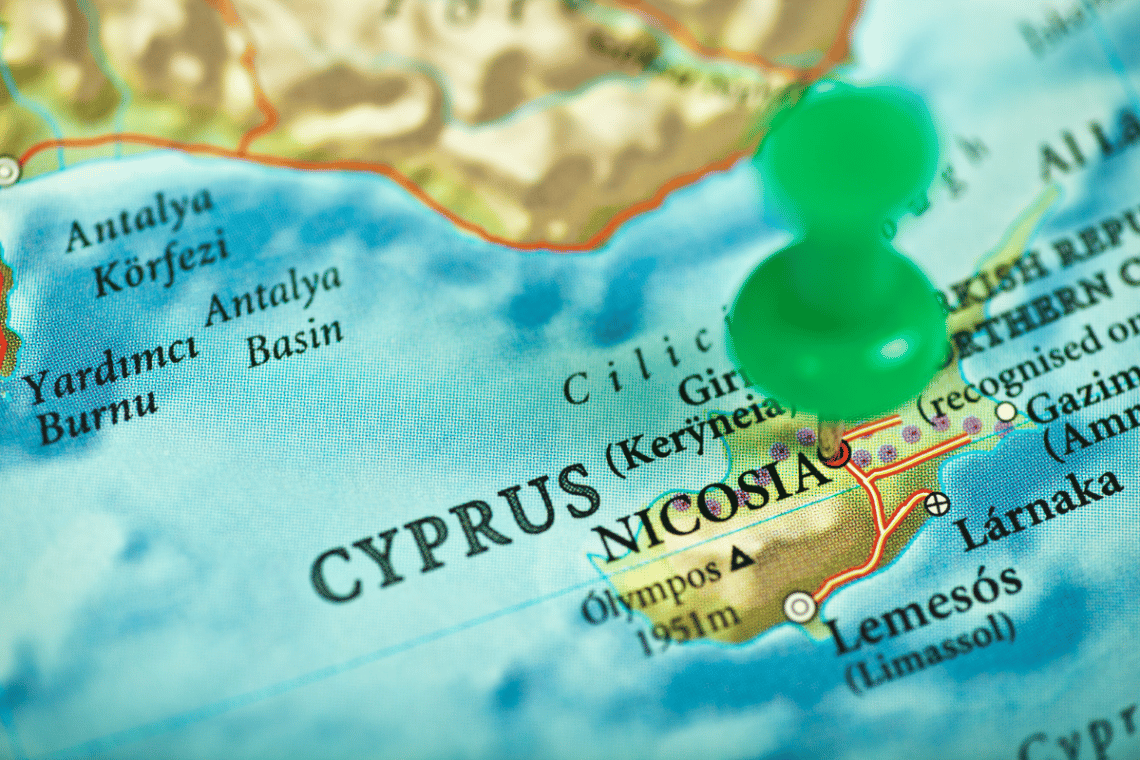
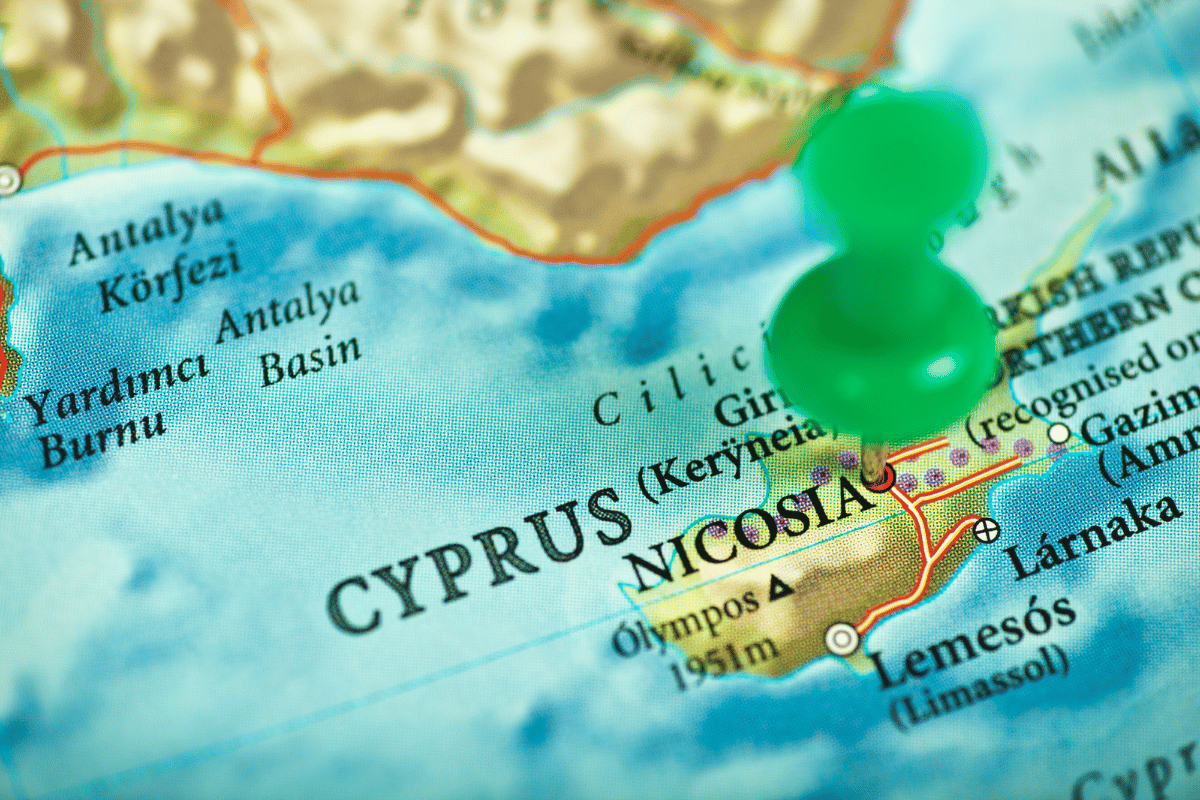
    Authorities in Cyprus have so far revoked a total of 222 passports granted through the country’s Citizenship by Investment Program (CIP), known as the Golden Passport scheme.

    According to the report provided by AP, the decision has been taken as part of efforts to mend a reputation sullied through this scheme which has often been criticised for being involved in many unlawful affairs such as money laundering and corruption, SchengenVisaInfo.com reports.

    In this regard, Niovi Parisinou, Deputy government spokeswoman stressed that such figures also include 63 investors as well as 159 of their relatives, also taking into account spouses, children as well as parents.

    The Golden Passport scheme permitted wealthy internationals to acquire citizenship in Cyprus provided they met specific conditions and made an investment of at least 2.5 million euros.

    The scheme brought significant contributions to the country’s economic sector, attracting especially wealthy investors from China and Russia. But the program was often criticised for being involved in many unlawful affairs, such as money laundering and corruption.

    Besides, a report provided previously by Al Jazeera, called the Cyprus Papers, revealed that this scheme also benefited persons involved in illegal affairs, with the United States $2.5 investment in this territory.

    Following the reports of Al Jazeera, authorities in Cyprus decided to abolish this program in 2020. The figures provided by the Cyprus Probe report last year showed that a total of 6,779 Cypriot citizenships were granted through this program for a period between 2007 and 2020.

    In October last year, the government of Cyprus revoked citizenship acquired through the Golden Visa scheme from ten persons, following the investigations of the Interior Ministry,  according to the Deputy Government Spokeswomen, Niovi Parissinou.

    Back then, she emphasised that in addition to these cases, Cypriot authorities also revoked the Cypriot citizenship of six other individuals.

    Previously the report of the Audit Office also found that the Golden Passport scheme of Cyprus remained rotten until the end, causing significant financial loss in public revenue.

    Besides, the report also noted that several actions of the Cypriot government officials could also account for criminal acts.

    Regarding the issue, Marios Pelekanos, a government spokesman, stressed that a response would come in this regard, in the name of the government “as soon as possible, after the findings of the report are studied with due diligence, alongside the findings of the [separate] Nicolatos inquiry and always taking into account the opinions of the attorney-general.”

  • Europe: EU Registered Around 100,000 Asylum Applications for 3 Consecutive Months in 2022

    Europe: EU Registered Around 100,000 Asylum Applications for 3 Consecutive Months in 2022

    Source: schengenvisainfo.com

    Published: 19 January 2023

    A recent analysis published by the European Union Agency for Asylum (EUAA) has estimated that around 107,300 asylum applications were filed in the EU+ in November of the last year, after similar numbers were already registered in September and October 2022.

    According to EUAA, the number of applications lodged in November as well as in September and October, remained at the highest level seen since 2015-2016, mounting pressure on national systems, SchengenVisaInfo.com reports.

    “Not seen since 2015-2016, the 100,000-mark of asylum applications lodged in EU+ countries was reached or exceeded in September, October, and November 2022. Syrians, Afghans and Turks continued to apply the most, but levels were high for a diverse set of nationalities,” the statement of the EUAA reads.

    Data provided by EUAA show that in November 2022, the number of applications for every main applicant group was relatively high compared to the levels registered since 2017, after the refugee crisis.

    It has been revealed that the highest number of asylum applications in November 2022 was lodged by nationals of Syria, Afghanistan, and Türkiye. During the before mentioned month, Syrians lodged around 17,700 asylum applications, Afghans lodged around 14,900 applications, and Turks lodged around 8,300 applications.

    Nationals of Colombia, Venezuela, Bangladesh, Morocco, and Georgia also lodged a high number of asylum applications in November 2022. Colombians filed 4,900 applications, Venezuelans filed 4,800 applications, Bangladeshis filed 3,900 applications, Moroccans filed 3,100 applications, and Georgians filed 3,000 applications.

    Apart from sharing the above-mentioned data, EUAA further revealed that a high number of Russians as well as Iranians also filed a high number of asylum applications in the EU+ in November 2022. Data show that for the third month in a row, nationals of Russia filed an increasing number of applications (2,300) – the highest number since 2016.

    As for Iranians, it was disclosed that they filed around 2,000 asylum applications in November 2022 – the highest number since 2018.

    “This could be a result of protests across the country in the wake of Mahsa Amini’s death in religious police custody in mid-September, as well as the execution of several Iranian protesters,” EUAA explained.

    On the other hand, the number of asylum applications filed by nationals of Tunisia dropped to around 2,000 in November 2022 after increasing continuously throughout 2022.

    In addition, EUAA revealed that in November 2022, the EU+ asylum authorities issued about 55,600 first-instance decisions. Regarding the EU+ recognition rate it was stressed that in November 2022 it was 39 per cent, with around 12,100 applicants being granted the status of refugee and another 9,600 receiving subsidiary protection.

Pin It on Pinterest

Skip to content