Category: News

  • Saint Lucia: Appointment of Chief Executive Officer to the Citizenship by Investment Unit – Mr. Mc Claude Emmanuel

    Saint Lucia: Appointment of Chief Executive Officer to the Citizenship by Investment Unit – Mr. Mc Claude Emmanuel

    Source: cipsaintlucia.com

    Published: 1 March 2022

    The Citizenship by Investment Board (“the Board”) is pleased to announce the appointment of Mr. Mc Claude Emmanuel to the position of Chief Executive Officer (“CEO”) of the Citizenship by Investment Unit (“the CIP Unit”) effective 1st March 2022.

    Mc Claude holds a BSc. in Economics and Business Management from the University of the West Indies and an MBA (Marketing) from King Graduate School. He is also a certified   project management professional (PMP) and business professional – marketing.

    Prior to his current appointment, his former roles included Human Resources Project Officer of the St. Lucia Electricity Services Ltd; General Manager of Radio St. Lucia Company Ltd.; General Manager of McDowell Broadcasting Ltd; Marketing Manager of Cable & Wireless (St. Lucia) and most recently, Mobile Lead of Cable & Wireless (St. Lucia).

    With a decade of leadership experience in marketing, strategic management, operations management and economic and financial analysis, Mc Claude brings pivotal skills and a wealth of experience necessary to innovate and enhance CIP Saint Lucia to achieve even greater success. 

    Mc Claude shall be responsible for the overall management of the affairs of the CIP Unit comprising of fifteen staff members and monitoring the Citizenship by Investment Programme to ensure that its independence and integrity is maintained and managed in accordance with international best practice.

    The Board looks forward to working with Mc Claude and reassures Saint Lucians and the CIP industry that together with the CEO, they shall utilize their best efforts to discharge their duties with integrity and the highest standards of professionalism, to keep CIP Saint Lucia thriving and thus meaningfully contributing to the economic development of Saint Lucia.

  • Europe, United Kingdom, Canada & USA: EU, UK, Canada and US to curb golden passports as Portugal halts new visas to Russians

    Europe, United Kingdom, Canada & USA: EU, UK, Canada and US to curb golden passports as Portugal halts new visas to Russians

    Source: internationalinvestment.net

    Published: 28 February 2022

    Portugal has suspended the granting of new so-called Golden Passports to citizens of Russia, as part of its response to the EU’s sanctions plan in response to the war in Ukraine.

    Portuguese foreign minister, Augusto Santos Silva, told CNNPortugal: “The Foreigners and Borders Service (SEF) has already suspended the assessment of any candidacy for residence permits for investment, the gold visas, of Russian citizens.” 

    Santos Silva said that the EU approved a “dynamic sanctions regime” on 25 February and it is “very likely” that more Russian citizens will be sanctioned in the coming days, so they “precautionary” decided to freeze the concessions of these visas for that country.

    “Specifically, we commit to taking measures to limit the sale of citizenship—so called golden passports—that let wealthy Russians connected to the Russian government become citizens of our countries and gain access to our financial systems.”

    Since the scheme went live in October 2012, 431 visas had been granted to Russian citizens. 

    While at EU level, in a joint statement on 26 February, leaders of the European Commission, France, Germany, Italy, the United Kingdom, Canada, and the United States condemned “Putin’s war of choice and attacks on the sovereign nation and people of Ukraine,” and reiterated their resolve to “continue imposing costs on Russia that will further isolate Russia from the international financial system and our economies.”

    The group promised to implement five specific measures against Russia “within the coming days”, the third of which was as follows: “We commit to acting against the people and entities who facilitate the war in Ukraine and the harmful activities of the Russian government.

    “Specifically, we commit to taking measures to limit the sale of citizenship—so called golden passports—that let wealthy Russians connected to the Russian government become citizens of our countries and gain access to our financial systems.”

    The UK last week suspended its Tier 1 Investor Visa with immediate effect. 

  • Ukraine: Conflict in Ukraine: What You Need to Know

    Ukraine: Conflict in Ukraine: What You Need to Know

    Source: fragomen.com

    The escalating conflict in Ukraine has led to an evolving immigration crisis, as individuals evacuate the country and employers work to ensure the safety of employees and their families, which is of course paramount.

    Fragomen is closely monitoring the situation, and we fully understand the need for considered and timely action. This kind of crisis requires careful and sensitive handling, and we at Fragomen want to share our unparalleled experience and provide insights into the immigration ramifications of the situation.

    Initial Considerations

    • Identify employees and family members who are in Ukraine or a neighbouring country and want to evacuate to a new safe jurisdiction. Within this group, identify and prioritise those who will be allowed to leave Ukraine or have already left.
    • Currently Ukrainian citizen men aged 18-60 and women in strategic occupations are not permitted to leave Ukraine.
    • Many countries have reduced consular services and/or closed their consular posts in Ukraine, which means visa applications from within Ukraine are unlikely to be possible.
    • Airports in Ukraine have been closed to civilian travel.
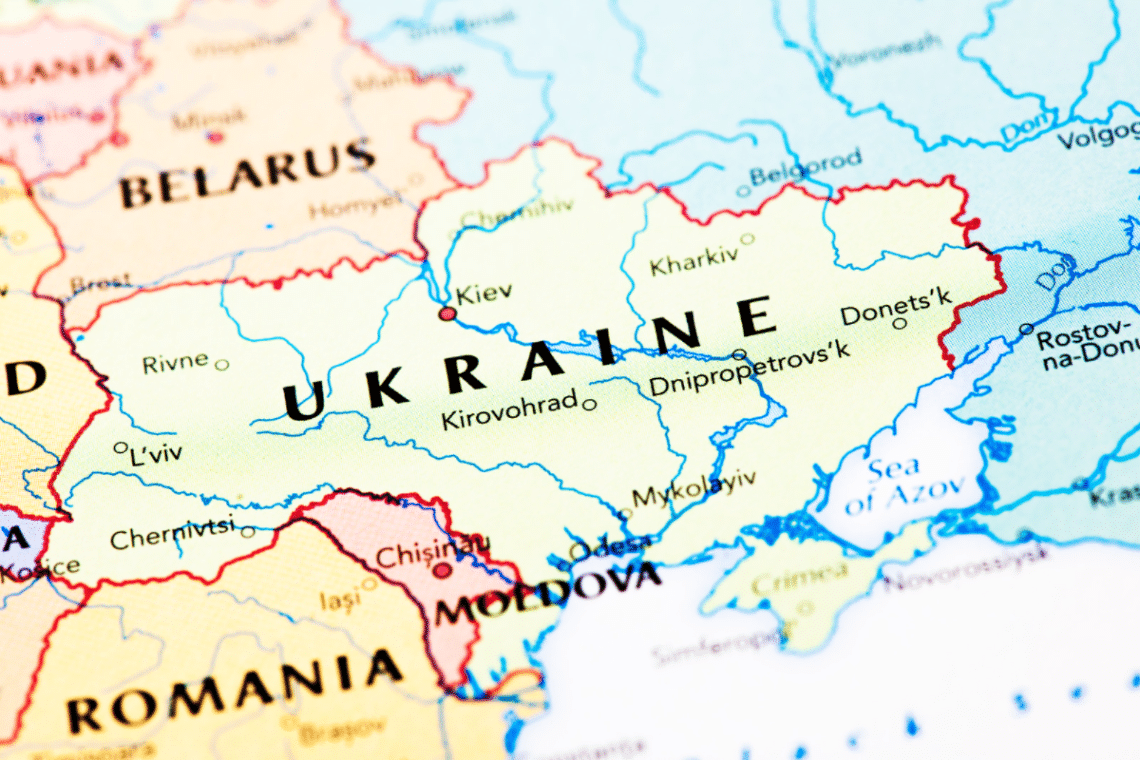
    • This has meant that individuals seeking to leave Ukraine must generally do so via the country’s land borders with its five western neighbouring countries: Hungary, Moldova, Poland, Romania and Slovakia. While Fragomen cannot advise on safely reaching or crossing a border, we can advise on documentary requirements at the border.

    Additional Practical Steps and Considerations for Ukrainian Nationals

    • Develop a blanket or individual policy approach to your evacuation efforts. Will efforts be focused on one single destination country or will several be considered?
    • Identify short and long term options. Once employees and their families are able to travel by air, perhaps once in a neighbouring country, consider whether further onward travel is desired. Ukrainian nationals do not require an entry visa for tourism or business visits in over 65 countries, which can facilitate such travel.
          • Click here to download a simplified list of select destination jurisdictions into which Ukrainians require a visa and into which they do not. Please remember that in practice, entry requirements vary by jurisdiction and visa requirements for Ukrainians are subject to sudden change as the situation evolves. Also, visitors are typically required to show that they have return or onward travel plans, so Ukrainians may be subject to heightened scrutiny on this point when seeking to enter a country as a visitor. 
          • In most cases, visitors are not permitted to work, so consider whether you should prioritise countries where an individual or their family can enter as a visitor and apply for a longer term immigration status in-country.
          • Work permit rules, including where switching after entry as a visitor, are complex and countries are introducing concessions for Ukrainians every day. Please contact Fragomen for further assistance.
          • Lastly, remember to review our Spotlight page on COVID-19 travel restrictions and requirements, as they may apply to Ukrainian nationals seeking entry.
  • Europe and USA: US and EU ban Russian banks from Swift system in latest sanction

    Europe and USA: US and EU ban Russian banks from Swift system in latest sanction

    Source: independent.co.uk

    Published: 27 February 2022

    The United States and European Union have banned some Russian banks from the Swift financial system in the latest sanction against Vladimir Putin’s attack on Ukraine.

    Western leadership, which also includes the United Kingdom and Canada, expelled Russia from the high-security network that connects thousands of financial institutions around the world in a decision announced on Saturday evening.

    “We stand with the Ukrainian government and the Ukrainian people in their heroic efforts to resist Russia’s invasion. Russia’s war represents an assault on fundamental international rules and norms that have prevailed since the Second World War, which we are committed to defending,” a joint statement read.

    “We will hold Russia to account and collectively ensure that this war is a strategic failure for Putin.”

    And it added: “As Russian forces unleash their assault on Kyiv and other Ukrainian cities, we are resolved to continue imposing costs on Russia that will further isolate Russia from the international financial system and our economies. We will implement these measures within the coming days.”

    The Swift international payments system said later in the day that it was prepared to implement the new measures soon. “We are engaging with European authorities to understand the details of the entities that will be subject to the new measures and we are preparing to comply upon legal instruction,” it said in a statement.

    The western nations’ decision to trigger the action came after the EU, which was previously split on the matter, decided to move forward with it.

    In removing the Russian banks from Swift, the leaders said the move would “ensure that these banks are disconnected from the international financial system and harm their ability to operate globally.”

    And the group said it was prepared to take further action against Russia and Mr Putin.

    “We stand with the Ukrainian people in this dark hour. Even beyond the measures we are announcing today, we are prepared to take further measures to hold Russia to account for its attack on Ukraine,” the statement concluded.

    Ursula von der Leyen, the president of the European Commission, took to Twitter to confirm the latest move against Russia.

    “First, we commit to ensuring that a certain number of Russian banks are removed from SWIFT. It will stop them from operating worldwide and effectively block Russian exports and imports,” she tweeted.

    The Biden administration had faced calls from Ukraine and US lawmakers in Congress for Russia to be removed from Swift after Mr Putin launched the unprovoked attack on Thursday.

    Following the announcement, a senior administration official said that the White House was “committed to fully implementing sanctions” towards Russia and the country’s elites and that the US government would “go after their yachts, their luxury apartments, their money and their ability to send their kids to fancy colleges in the West.”

    The officials said that any bank removed from Swift that wanted to carry out a transaction outside Russia would be forced to use the telephone or a fax machine.

    And they said that the West would target the Russian Central Bank to prevent it using its reserves to prop up the ruble.

  • United Kingdom: UK scraps rich foreign investor visa scheme

    United Kingdom: UK scraps rich foreign investor visa scheme

    Source: bbc.com

    Published: 17 February 2022

    Visas offering foreign investors fast-track residency in the UK are being scrapped with immediate effect, the home secretary has confirmed.

    Priti Patel said ending Tier 1 investor visas, for those spending at least £2m, was the start of a “renewed crackdown on illicit finance and fraud”.

    The scheme was introduced in 2008 to encourage wealthy people from outside the EU to invest in the UK.

    It has been under review for some time, after concerns it is open to abuse.

    The announcement had been expected next week amid pressure on ministers to cut UK ties to Russia over the threat of invasion to Ukraine, with a source confirming the decision to the BBC on Wednesday.

    But the move has been brought forward, with the government saying it was part of their “new plan for immigration”.

    • How much Russian money is there in the UK?
    • Investor visas halted over money laundering

    The Tier 1 (investor) visa, often called a “golden visa”, offers residency to those investing £2m or more in the UK, and allows their families to join them.

    Holders of these visas can then apply for permanent residency in the UK, at a speed depending on how much they invest.

    A £2m investment allows an application within five years, shortened to three years with £5m or two years if £10m is invested.

    But the route to residency is now being closed with immediate effect, with the government saying it “failed to deliver for the UK people and gave opportunities for corrupt elites to access the UK”.

    Ms Patel added: “I have zero tolerance for abuse of our immigration system. Under my new plan for Immigration, I want to ensure the British people have confidence in the system, including stopping corrupt elites who threaten our national security and push dirty money around our cities.

    “Closing this route is just the start of our renewed crackdown on fraud and illicit finance. We will be publishing a fraud action plan, while the forthcoming Economic Crime Bill will crackdown on people abusing our financial institutions and better protect the taxpayer.”

    The Home Office said settlement in the UK will now be conditional on applicants “executing an investment strategy that can show genuine job creation and other tangible economic impacts – passively holding UK investments will no longer be enough to obtain settlement. ” 

    Lib Dem foreign affairs spokesperson Layla Moran said: “Shutting the door to Putin’s cronies is not enough – too many of them have already walked through it with virtually no questions asked.”

    She urged the government to publish its report into those who came to the UK on the visas.

    Labour’s shadow home secretary Yvette Cooper also called for the review to be published and said a general plan was needed to “stop illicit finance coming into the UK”.

    She said “for years the Conservatives failed to stamp out the influence of Russian money in the UK” adding that it had “taken international condemnation of our failures… for the home secretary to act”.

    Changes to scheme

    The Home Office has issued 2,581 investor visas to Russian citizens since the scheme was introduced in 2008.

    Several changes have been made since the investor visa scheme was launched, including extra checks on how and when applicants acquired their wealth.

    Banks are also now required to complete certain checks before opening accounts for applicants – who are also required to submit extra paperwork if their qualifying funds are invested through a chain of different companies.

    In 2020, Parliament’s intelligence and security committee argued for a “more robust” approach to approving Tier 1 visas as part of a report on Russian influence in the UK.

  • Dominica: 2021 Article IV Consultation-Press Release; Staff Report; and Statement by the Executive Director for Dominica

    Dominica: 2021 Article IV Consultation-Press Release; Staff Report; and Statement by the Executive Director for Dominica

    Source: imf.org

    Published: 14 February 2022

    Dominica has been hit hard by the Covid-19 pandemic, with an estimated decline in GDP of 11 percent in 2020 underpinned by a sharp reduction in tourism receipts that affected connected sectors and by lockdown measures to limit virus contagion. The output decline was contained by health spending, social transfers, and public investment resilient to natural disasters which increased significantly, leading to an increase in public debt to 106 percent of GDP despite record-high Citizenship-by-Investment (CBI) revenue. The financial sector remained stable and liquid, but vulnerability continue to be significant in the under-capitalized non-bank sector.

    To view the full statement, please click here

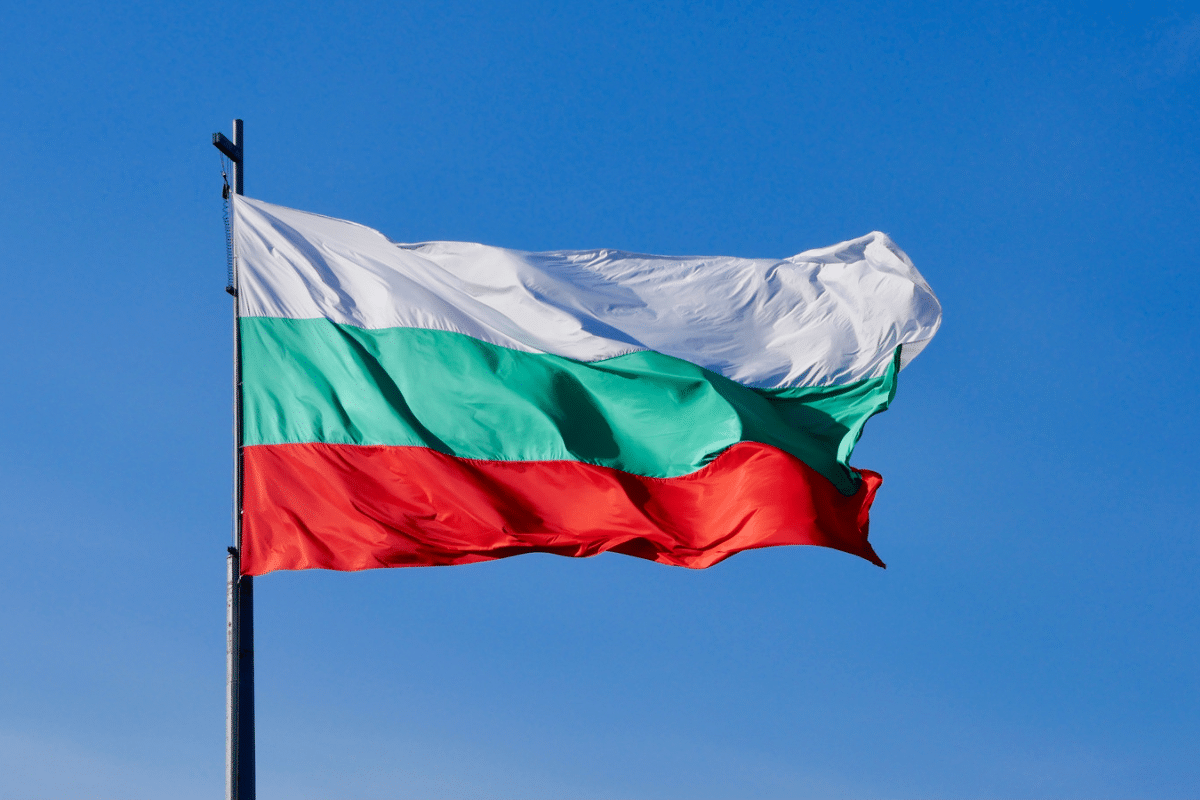
  • Bulgaria: Bulgaria to Put an End to Its Golden Visa Scheme

    Bulgaria: Bulgaria to Put an End to Its Golden Visa Scheme

    Source: schengenvisainfo.com

    Published: 7 February 2022

    Bulgaria’s Golden Visa Program may no longer be available for internationals after the country’s Prime Minister Kiril Petkov pledged on Friday that the scheme that attracts a large number of internationals would be abolished.

    This is not the first time that authorities in Bulgaria have attempted to do so. Last month, the country’s government announced that the program would be abolished after the same plans to submit the bill to the parliament, SchengenVisaInfo.com reports.

    However, the bill, which has been supported by a large number of politicians in Bulgaria, needs to be approved by the country’s government.

    Last month, the Prime Minister also stressed that the country is planning to put an end to such a program due to “the absence of real investments in the economy, likely to lead to job creation.”

    Even though the Golden Visa, which is run in several European countries, significantly contributes to the countries’ economies, it is often criticized for being involved in many illicit affairs such as corruption and money laundering.

    Last month, the Justice Ministry announced that the Citizenship by Investment program has not led to real investment in Bulgaria, as reported by EURACTIV.

    In addition, the same Ministry stressed that the end of the golden visa passports would come soon.

    “This is one of the major obstacles to (joining) the Schengen, in my opinion, and to visa-free travel with the US. Golden passports are a vice, and getting rid of it is our priority,” Prime Minister pointed out in this regard, as reported by the Bulgarian National Television.

    Bulgaria’s Golden Visa scheme permits internationals to obtain the country’s passport if they make an investment of at least 1,000,000 Bulgarian levs or 568,000 dollars.

    Based on the report published previously by Euractiv, 96 internationals hold Bulgarian Golden Visas. According to the report, many of them are Russians, followed by citizens of Middle Eastern countries.

    In June last year, the European Union addressed a letter to Bulgarian authorities calling them to put an end to their Citizenship by Investment Program.

    The Commission of the European Union has continuously called on the authorities in the European countries who run such schemes to abolish such schemes amid raised concerns over money laundering, corruption, tax evasion, and other illicit affairs.

    Previously, a report published by Associated Press stressed that Greece and Portugal’s Golden Visa Programs have systemic problems with their programs, while such schemes are used for nefarious purposes due to lack of background inspection.

    In addition, authorities in Cyprus also announced that they would abolish their Golden Visa scheme, after an investigative report of Al Jazeera, called the “Cyprus Papers,” which claimed that more than 1,000 internationals bought citizenship in Cyprus for a period from 2017 until 2019.

  • Bahrain: Bahrain introduces permanent residency golden visas

    Bahrain: Bahrain introduces permanent residency golden visas

    Source: gulfbusiness.com

    Published: 8 February 2022

    On Monday, Bahrain launched a new Golden Residency Visa programme for residents and non-residents, as well as their families.

    Golden Residency Visa holders can have their visas renewed indefinitely, provided they continue to meet the eligibility criteria.

    The visa grants them the right to work in Bahrain, allows them multiple entry and exit from the kingdom, and even allows residency rights for close family members.

    To qualify for the Golden Residency Visa, existing residents must have resided in Bahrain continuously for at least five years and earned an average basic salary of no less than BHD2,000 per month throughout the five-year period. The long-term residence permit shall be renewed indefinitely provided the candidate continues to meet the eligibility criteria. According to Bahrain News Agency.

    Besides, residents and non-residents are eligible for the Golden Residency Visa if they meet the following criteria:

    – Own one or more properties in Bahrain, valued no less than BHD200,000, or retirees with an income of at least BHD4,000 per month.

    – Are ‘highly- talented’ individuals who meet the relevant requirements.

    – Must reside in the Kingdom of Bahrain for 90 days a year, to ensure their visa continues to be valid.

    Those who meet the eligibility criteria are allowed to submit their applications to be considered for the visa online with immediate effect.

    The new visa was announced during the Cabinet session chaired by Prince Salman bin Hamad Al Khalifa, Crown Prince and Prime Minister of Bahrain, as part of the country’s economic recovery plan

    “The introduction of the Golden Residency Visa is designed to attract investors, benefit our businesses, and contribute to the provision of quality opportunities for Bahrainis. This programme will also provide deserved reward to those existing residents who have contributed significantly to Bahrain’s economy and society over many years,” said Shaikh Hisham bin Abdulrahman bin Mohammed Al Khalifa, Undersecretary for Nationality, Passports and Residency Affairs at the Interior Ministry.

  • Middle East: RIF Trust Named Investment Migration Council’s Regional Representative Office (RRO) for the Middle East region

    Middle East: RIF Trust Named Investment Migration Council’s Regional Representative Office (RRO) for the Middle East region

    Published: 7 February 2022

    The Investment Migration Council (IMC) and RIF Trust is pleased to announce that its Dubai office has been chosen to be the IMC Regional Representative Office for the Middle East region. This office will join regional offices in London, New York, Hong Kong, and the Caribbean.

    The fully staffed office is based in RIF Trust’s Headquarters in Business Bay and is operational as of today to welcome IMC members, and non-members who wish to join the association, to learn about investment migration, and to participate in courses that the IMC Education & Training unit delivers through its cutting edge on-line learning management system. Through this partnership RIF Trust will be responsible for bringing a voice to the industry, to help guide clients and governments and to promote education and best practice for all its members.

    David Regueiro, RIF Trust’s Chief Operating Officer, stated, “We are honoured to be appointed as the IMC’s representative for the Middle East. The Middle East is one of the most active markets in the investment migration industry. As a proud IMC member, we have had the privilege of assisting thousands of investors and their families in obtaining alternative citizenship or residency by investment and have worked closely with the IMC for over a decade. We look forward to continuing to uphold the IMC’s values through maintaining the highest levels of service and best practices for our clients, partners and governments that we work with.”

    During the launch in Business Bay, IMC CEO, Bruno L’ecuyer, commented, “We are delighted to have David heading our Middle East office. Thanks to his wealth of knowledge and expertise, we are confident that our strong synergies will allow us to reach our objectives in improving global standards, promoting professional development and high ethical standards among our members, as well as bridging the gap between Academics, Government & Professionals operating in investment migration in this innovative and fast-paced region. We look forward to working with David and developing a long and successful business relationship from which we can all benefit.” L’ecuyer added “[RIF Trust] is one of the leading companies licensed by various governments to process citizenship and residency applications with a long-standing track record within the industry, and we are very pleased that they are acting as our representatives in this fantastic and respected business hub’’.

    About the Investment Migration Council

    Based in Geneva, Switzerland, the IMC is the worldwide forum for investment migration, bringing together the leading stakeholders in the field. The IMC sets global standards, provides qualifications, and publishes in-demand research in the field of investment migration aimed at governments, policy makers, international organisations, and the public. It is an impact focused Swiss based (non-profit) membership organisation in special consultative status with the Economic and Social Council of the United Nations since 2019 and registered with the European Commission Joint Transparency Register Secretariat (ID: 337639131420-09).

    For more information please go to www.investmentmigration.org

    About RIF Trust

    Founded in the financial heart of Dubai, RIF Trust is a leading international residency and citizenship by investment advisory. In 2013, the company was born from the need to provide greater freedom to travel and expand businesses abroad for high-net-worth Individuals and their families. The name RIF Trust is inspired by the mountainous region of North Africa, a place known for its people with high moral standards and the desire to explore. In 2018, RIF Trust merged with Latitude Consultancy Limited to expand internationally to over 19 countries, including Brazil, Canada, Cayman Islands, China, Egypt, India, Lebanon, Malaysia, Malta, Montenegro, Morocco, Nigeria, Russia, South Africa, KSA, South Korea, UAE, UK, and USA. RIF Trust is a government-approved partner and an authorised agent of the world’s most powerful residency and citizenship programmes, including Antigua & Barbuda, Dominica, Grenada, St Kitts & Nevis, St Lucia, Vanuatu, and Malta. RIF Trust employs over 80 industry professionals globally that provide clients with innovative programme solutions in the Caribbean, Europe, and North America, competitively priced services and local expertise with a global reach.

    For more information, please go to www.riftrust.com

    For media questions or requests for interviews, please contact the Media Relations Team at media@investmentmigration.org

    dubai@investmentmigration.org

    pr@riftrust.com

    For media release, please click here

  • Antigua & Barbuda: Antigua & Barbuda records 5.3 per cent growth in 2021 in Budget 2022

    Antigua & Barbuda: Antigua & Barbuda records 5.3 per cent growth in 2021 in Budget 2022

    Source: caribbean.loopnews.com

    Published: 3 February 2022

    Antigua and Barbuda’s economy made a complete turnaround in 2021 as Prime Minister Gaston Browne revealed that economic activity increased by 5.3 per cent.

    Browne, who is also the finance minister, presented the country’s 2022-2023 fiscal package under the theme “Setting the stage for economic rejuvenation.”

    The prime minister said the boost in economic activity was a record for Antigua and Barbuda in a 12-month period.

    “This is a phenomenal feat,” Browne declared while speaking in the House of Representatives.

    The main economic drivers for Antigua and Barbuda included an early restart of the tourism and leisure sector and construction.

    Antigua and Barbuda’s Citizenship By Investment also contributed over US$123 million to the economy.

    Browne said most of the money was used to fund the COVID-19 response.

    Approximately 498 foreigners sought to become Antigua and Barbuda citizens in 2021.

    Despite the growth, Antigua and Barbuda’s Gross Domestic Product contracted 3.7 billion in 2021.

    But Browne noted “there is good reason for optimism going forward” given the given high level of liquidity in banks and the number of public sector projects to be rolled out in fiscal year 2022.

    With a general election due in the country by early 2023, Browne called on islanders to look at the government’s track record and compare it with what was done by persons seeking to take office.

Pin It on Pinterest

Skip to content